Swollen Knee After Sport: When the Puff Is a Warning (and When It Is Not)
Free program
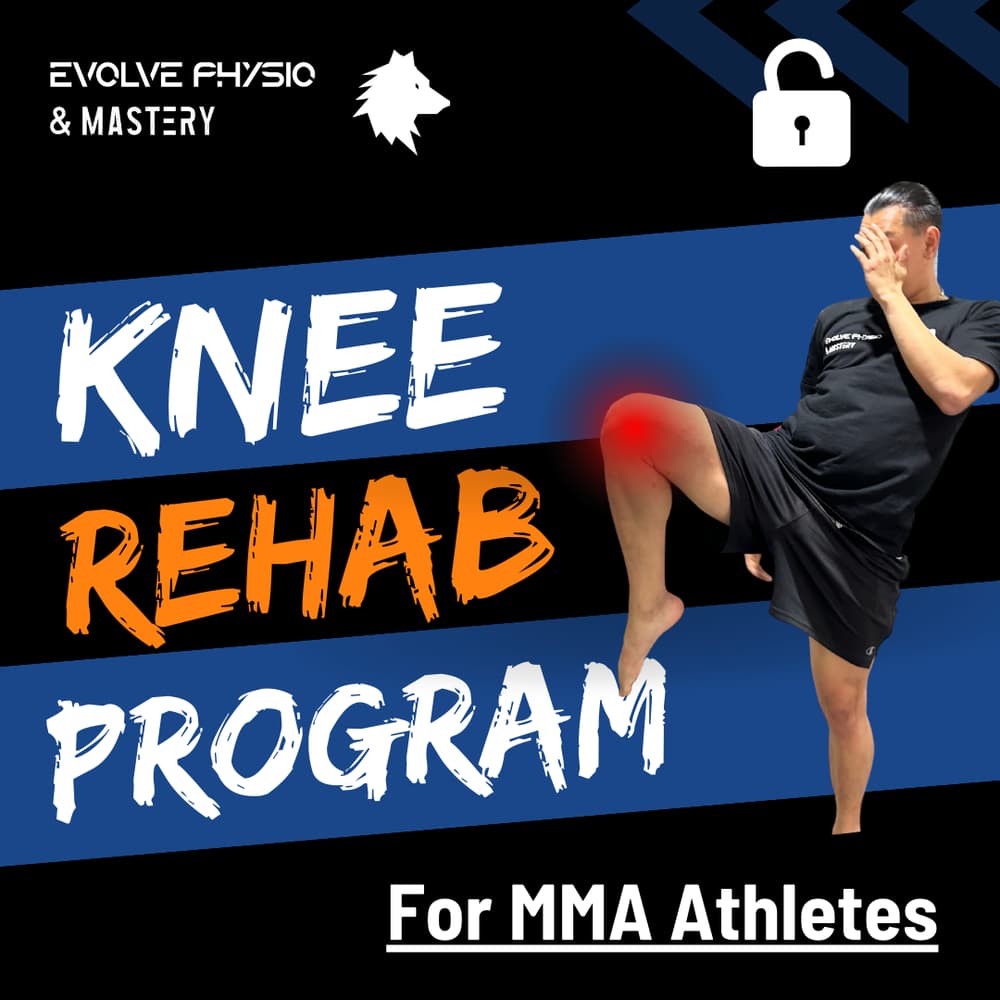
The Knee Pain Mastery Guide
The Knee Pain Mastery Guide by Evolve Physio & Mastery is a structured knee rehabilitation program designed for athletes dealing with ACL, MCL, and meniscus injuries.
The knee that looks fine until it does not
You finish the game, the run, or the social netball. The knee feels a bit full. By the time you get home it looks rounder. Next morning it is quieter — so you play again. That cycle is one of the most common stories we hear for knee pain in Cabramatta and across Southwest Sydney.
Effusion (fluid inside the joint) is a message: the joint lining is irritated. It is not a diagnosis. The job is to work out whether this is overload of an otherwise intact knee, or a structural injury asking for a different timeline.
Fast swelling vs next-day puff
- Within an hour, after a pop or twist — treat as potentially intra-articular until proven otherwise. Think ACL, larger meniscal tear, osteochondral injury. Read ACL return-to-sport testing and meniscus: surgery or physio.
- Next morning, after a volume spike — more often the joint saying the session was more than current capacity. Common after a sudden return to sport, a long hike, or a week of stairs plus weekend games.
- Recurrent puff with giving-way — see knee giving way. Do not keep “testing it” in games.
What we check in clinic
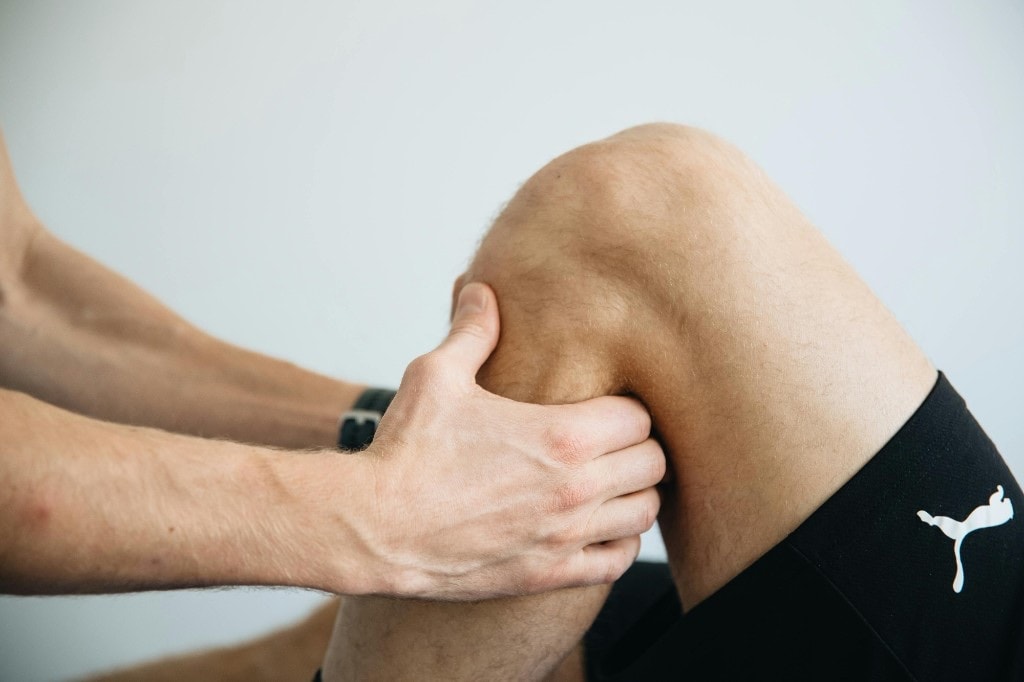
We look at how quickly it swelled, whether you can lock the knee straight, whether it locks or catches, quad shutdown (the thigh that forgets how to fire), and hop / change-of-direction tolerance. Most people do not need an MRI in week one if the exam is clear and there are no red flags. Australian first-line care for non-traumatic knee pain is still load, not a scan.
The piece people skip is the quad. A puffy knee inhibits the thigh. Then you train on a quiet-looking joint with a lazy quad, and the puff comes back. That is why rest-alone plans fail.
A 10-day plan that does not waste the week
- Keep walking. Full rest makes the quad worse.
- Drop the session that blew it up (max games, deep squats, long downhill) for 7–10 days.
- Train range and quad output every day at a level that is not more swollen the next morning.
- Reintroduce sport as a dose, not as a test of character.
Programs and booking
Free structured loading: Knee Pain Mastery Guide. Paid 28-day lower-limb rebuild if you are past the acute puff and still not trusted on the field: ACL Comeback Program.
Book a knee assessment at Evolve Physio & Mastery — Cabramatta, Liverpool, Fairfield, Bankstown. Related: pain going down stairs · runner’s knee.
Frequently Asked Questions
Is a bit of puff after sport normal?
A little warmth after a hard session can be normal. A knee that looks obviously bigger, that you cannot fully straighten, or that puffs again every time you train is not “just fluid” — it is a load-capacity mismatch. Get it assessed if it repeats.
Should I ice and wait it out?
Ice can settle comfort. It does not fix why the joint produced the fluid. If you keep repeating the same session that blew it up, you are training the swelling, not the knee.
When is swelling an emergency?
Significant trauma, a knee that locked and will not unlock, a calf that is hot and swollen with breathlessness, fever, or a joint that is red-hot after a wound — seek urgent medical care. Most post-sport puff without those signs can wait for a physio within a few days.
Does swelling mean I tore my meniscus or ACL?
Rapid swelling within an hour of a twist or pop is more concerning for intra-articular injury (ACL, fracture, larger meniscal tear). Slow swelling the next morning is more often overload, irritative synovitis, or a smaller structural issue. The story plus the exam matters more than the puff alone.
Can I still train with a puffy knee?
Often yes — but not the same session. We keep you moving with a range and load the joint can clear in 24 hours, then rebuild the thing that failed (quads, hop capacity, change of direction).
Which program should I use?
Start with the free Knee Pain Mastery Guide for progressive loading. If you are stuck in the “almost better” phase after ligament or meniscus injury, the paid ACL Comeback Program is the 28-day strength block.