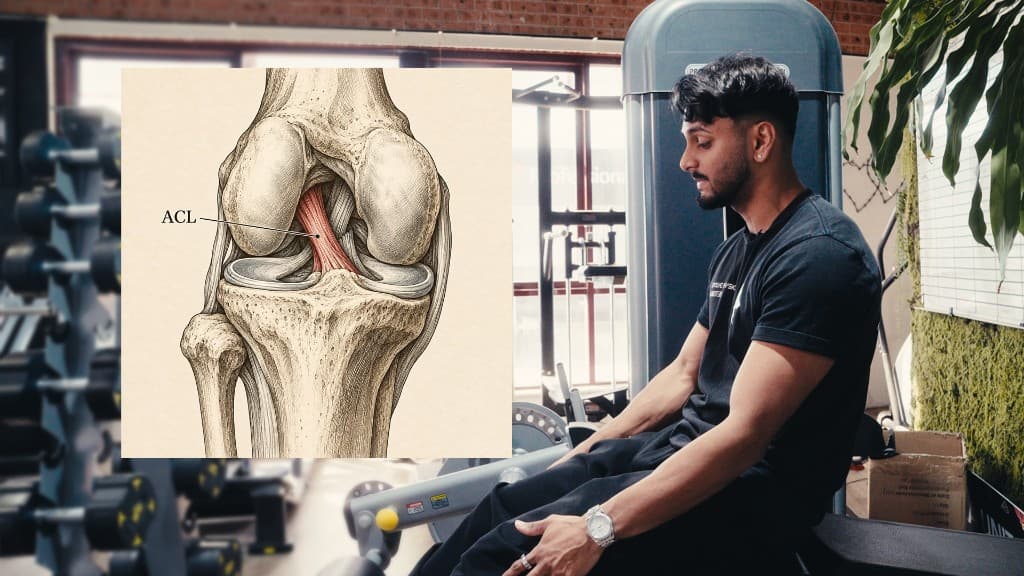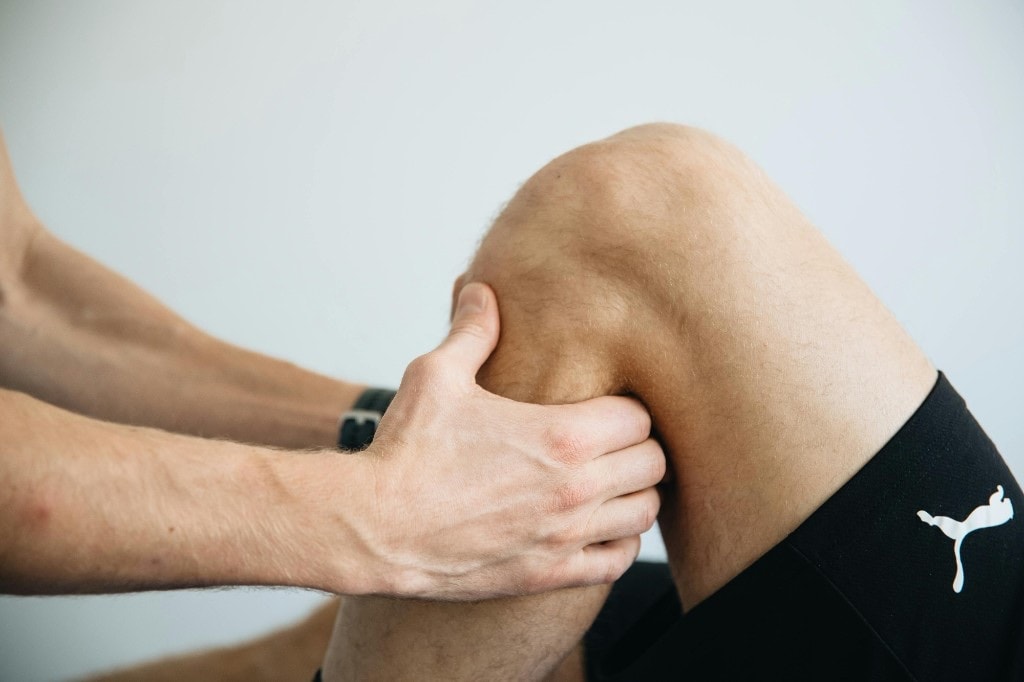
Meniscus Tear: Surgery, Physio, or Wait? A Decision Guide
Mastery program
The ACL Comeback Program
A structured 28-day knee rehab program designed for people stuck in the "almost better" phase after ACL or meniscus injury. Rebuild strength, restore confidence, and bridge the gap between feeling okay and being fully back.
The MRI panic
You twisted your knee, got an MRI, and the report says meniscus tear. Your GP mentions surgery. You're scared, confused, and searching at 11pm. Here's what the evidence actually says: for the majority of meniscus tears — especially degenerative ones in adults over 40 — structured physiotherapy matches surgery at one year. Surgery isn't wrong for everyone, but it's not the default anymore.
Types of tears — and what they mean
- Degenerative / horizontal: Common with age, often incidental on MRI. Pain usually responds to loading and strength, not trimming.
- Traumatic / vertical or radial: Acute injury mechanism. May need longer rehab; some need surgery if mechanical symptoms persist.
- Bucket-handle / displaced: Can lock the knee. This is the clearest surgical indication — if you can't straighten your knee, seek urgent orthopaedic review.
The physio-first 6-week protocol
Weeks 1–2: Settle and activate
- Reduce aggravating twisting and deep flexion
- Quadriceps activation: straight-leg raises, isometric quads, bike if tolerated
- Hip abduction and glute medius work from day 3–5
Weeks 3–4: Build strength
- Leg press, split squats, step-ups — pain-monitored, 3×/week
- Single-leg balance and proprioception
- Gradual return to walking hills and stairs
Weeks 5–6: Load and test
- Introduce light jogging if pain-free and no effusion
- Hop testing for athletes — compare sides
- Reassess: ≥50% pain reduction and improved function → continue; no change → orthopaedic review
When we refer for surgery
- True locking (can't extend fully) — urgent
- Persistent effusion and mechanical catching after 6–8 weeks compliant rehab
- Traumatic tear in high-demand athlete with failed return-to-sport testing
Post-surgery? We've got that too
If you do end up under the scope, post-op meniscus rehab follows similar strength principles — just with a surgeon-specific timeline. Our post-surgery rehab guide and ACL Comeback Program (used for meniscus and ACL alike) give you a structured path. General knee strength: free Knee Pain Mastery Guide.
Connects to the knee cluster
Broader knee context: knee pain Cabramatta guide. Non-surgical ACL: ACL management without surgery. Returning to run: return to running framework.
Book a meniscus assessment
Don't let an MRI report make the decision for you — your symptoms, exam, and response to loading matter more. Book a knee physio assessment at Evolve Physio & Mastery, Cabramatta. Liverpool, Fairfield, Bankstown and Southwest Sydney.
References: Sihvonen et al. 2013 FIDELITY trial (N Engl J Med); van de Graaf et al. 2022 ESCAPE trial; Katz et al. 2013 meniscal tear and osteoarthritis trial.
Frequently Asked Questions
Does a meniscus tear always need surgery?
No. Large trials (ESCAPE, FIDELITY) show that for most degenerative meniscus tears, structured exercise therapy produces outcomes comparable to arthroscopic surgery at 12 months. Even many traumatic tears in active people can trial 6–8 weeks of physio first.
When is surgery clearly indicated?
A locked knee that won't fully straighten (displaced bucket-handle tear), persistent effusion with mechanical blocking, or failure of 6–8 weeks of compliant physio in a traumatic tear in a high-demand athlete. Your orthopaedic surgeon and physio should align on this.
I'm 50+ and my MRI shows 'degenerative tear' — now what?
Degenerative meniscus changes are extremely common on MRI in pain-free knees. If your pain pattern fits mechanical loading (stairs, squatting, twisting) rather than true locking, a strength and loading program is first-line — not surgery.
How long is physio-first trial?
Minimum 6–8 weeks of structured quadriceps and hip strengthening, load modification, and progressive return to activity. If there's no meaningful improvement and mechanical symptoms persist, surgical opinion is reasonable.
Can I still play sport with a meniscus tear?
Many people do — with modified loading and strong quads/hips. Return-to-sport depends on symptoms, not the MRI picture alone. Our <a href="/blog/acl-return-to-sport-testing">return-to-sport testing guide</a> covers hop and strength criteria that apply broadly.