Post-Surgery Rehab in Cabramatta: ACL, Knee & Hip Replacements
Surgery isn't the finish line — it's the start of rehab
People often arrive at Evolve Physio & Mastery a few weeks after a major procedure thinking the hard part is behind them. The truth is that the operating theatre is just step one. What you do over the following weeks and months — your physiotherapy — is what determines whether you return to climbing stairs without a thought, getting on a kneeler at the garden, lifting your grandchildren, or running again.
The Australian Orthopaedic Association and Australian Physiotherapy Association both emphasise that structured post-operative rehabilitation is essential to outcomes for almost every orthopaedic procedure — from arthroscopies to total joint replacements. Skipping or skimping on rehab is one of the strongest predictors of a disappointing surgical result.
The procedures we rehab most often in Cabramatta
Our post-surgical caseload at Evolve Physio reflects the most common orthopaedic surgeries performed across Sydney:
- ACL reconstruction — among the most demanding rehab journeys, but one of the most rewarding when done properly
- Total knee replacement (TKR) — restoring movement, strength, and confidence after the joint is resurfaced
- Total hip replacement (THR) — modern hip replacements have excellent outcomes with the right rehab
- Knee arthroscopy — including meniscal repairs and debridements
- Rotator cuff repair — strict early protocols, then a graded return to lifting and reaching overhead
- Shoulder stabilisation — after dislocation surgery
- Achilles tendon repair — careful loading is critical to prevent re-rupture
- Spinal procedures — including microdiscectomy and laminectomy
Whatever your procedure, the principles of good rehab are similar: respect the surgical timeline, restore range of motion early, build strength progressively, and rebuild your confidence to move.
The phases of post-surgical rehab
Rehab is rarely linear, but most journeys move through these broad phases:
Phase 1 — Protect and settle (weeks 0–2)
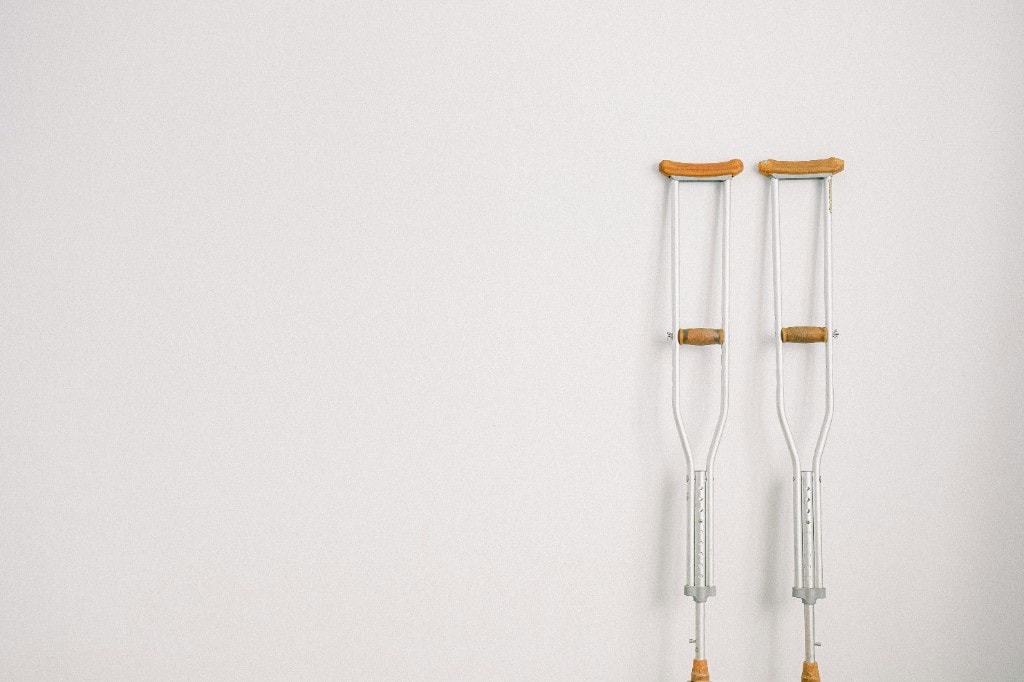
The priority is managing swelling, settling pain, protecting the surgical site, and beginning gentle, surgeon-approved movement. We'll teach you how to use crutches or a sling correctly, manage swelling with ice and elevation, and begin the very first exercises — usually isometric activations and pain-free range-of-motion work.
Phase 2 — Restore range of motion (weeks 2–6)
Once the immediate post-op period has passed, we focus on regaining the joint's full range. Stiffness is one of the biggest threats to a good outcome, particularly after knee surgery. Hands-on mobilisation, soft-tissue work, and a structured stretching program form the backbone of this phase.
Phase 3 — Build strength (weeks 6–16)
This is where the real rebuilding happens. We progressively load the muscles supporting the operated joint — quads, glutes, hamstrings, calves, rotator cuff, depending on the surgery. Loading might begin with bodyweight and resistance bands and progress to gym-based work as you tolerate it.
Phase 4 — Return to function and sport (weeks 12+)
The final phase is sport- and life-specific. Whether your goal is walking the family dog without a limp, getting back into Pilates, returning to soccer, or carrying tools at work, we build a plan that targets exactly what you need. For sporting return, we use objective criteria (strength testing, hop tests, movement quality) — not just time elapsed since surgery.
What to expect from your first session
Bring your operation report and any instructions from your surgeon to your first appointment. We'll review the procedure, look at your current movement and strength, check the surgical site is settling normally, and design a program that respects the surgeon's protocols while making the most of every week.
You'll leave with a clear set of exercises, a sense of where you are in the timeline, and a plan for what's coming next. We don't believe in dragging out treatment — every session should make a measurable difference.
Common pitfalls we help patients avoid
- Doing too much, too soon — feeling good doesn't mean your tissues are ready for full load. Most setbacks are over-loading injuries
- Doing too little — the opposite trap. Tissue heals best with progressive load; total rest leads to stiffness and weakness
- Stopping at "good enough" — most people stop rehab when they can do daily life, leaving 20–30% of strength on the table. That's the strength that protects you long-term
- Comparing yourself to other patients — every body, every surgery, every recovery is different
- Not communicating with your surgeon — we work in partnership with your specialist, not in isolation
Funding your rehab
Post-surgical physiotherapy is covered by most private health insurance extras, Medicare CDM/EPC plans (with a GP referral), WorkCover (if the surgery is work-related), DVA Gold/White cards, and the NDIS for eligible participants. We'll help you understand what's covered before your first session.
Ready to get the most out of your surgery?
If you've recently had — or are about to have — orthopaedic surgery, the team at Evolve Physio & Mastery in Cabramatta would love to walk the rehab journey with you. We work with patients from across Liverpool, Canley Heights, Fairfield, and surrounding areas, and we work directly with surgeons across South-West Sydney.
Online Mastery programs
Between sessions, our free Knee Pain Mastery Guide, Back Pain Mastery Guide and Shoulder Mastery Guide support home progressions. After knee or ACL surgery, the paid ACL Comeback Program bridges the gap when you feel "almost better." See all programs.
Book a post-surgical assessment at Evolve Physio and let's give your operation the rehab it deserves.
Frequently Asked Questions
How soon after surgery should I start physio?
For most orthopaedic surgeries, rehab starts within days — sometimes hours. Modern protocols favour early controlled movement to reduce stiffness, swelling, and complications. Your surgeon will set protocols you must follow; we work within those.
Do I need a referral to start post-surgical physio?
No — you can book directly. We do recommend bringing your operation report and any post-op instructions from your surgeon so we can build a plan that respects their protocols.
How long does post-surgery rehab take?
It varies enormously. A simple knee arthroscopy might be 4–6 weeks. ACL reconstruction is typically a 9–12 month program. Total knee or hip replacement rehab usually runs 3–6 months for most functional milestones, with strength continuing to build for up to a year.
Can I get post-surgery physio funded through Medicare or private health?
Yes — Medicare's CDM/EPC scheme covers limited sessions if your GP refers you. Most extras-level private health policies cover physio with a limit per year. WorkCover and DVA also cover post-surgical physio when the surgery is approved under those schemes.
Will I get back to sport or full function after my surgery?
For the great majority of patients, yes — provided you complete the rehab program. The biggest predictor of a poor outcome isn't the surgery itself; it's stopping rehab early. Stay the course.