Kneeling and Sitting Cross-Legged After ACL Surgery (The Dance-Mum Test)
Video masterclass
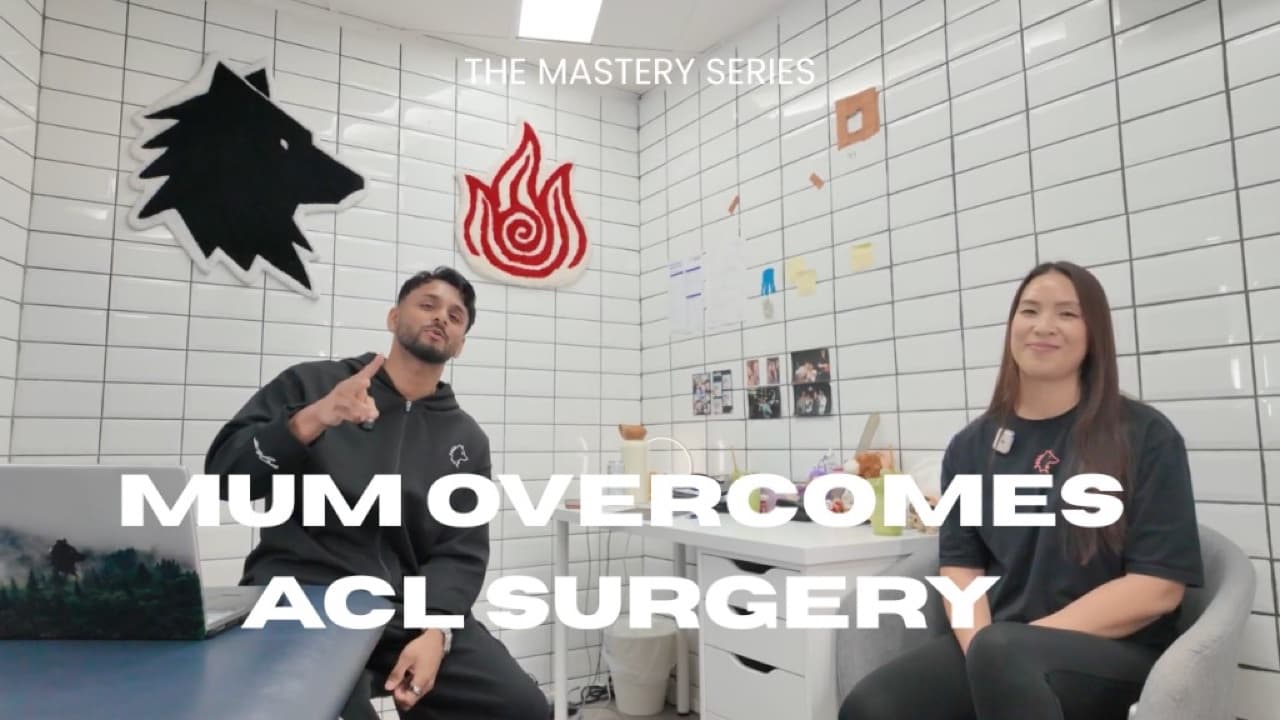
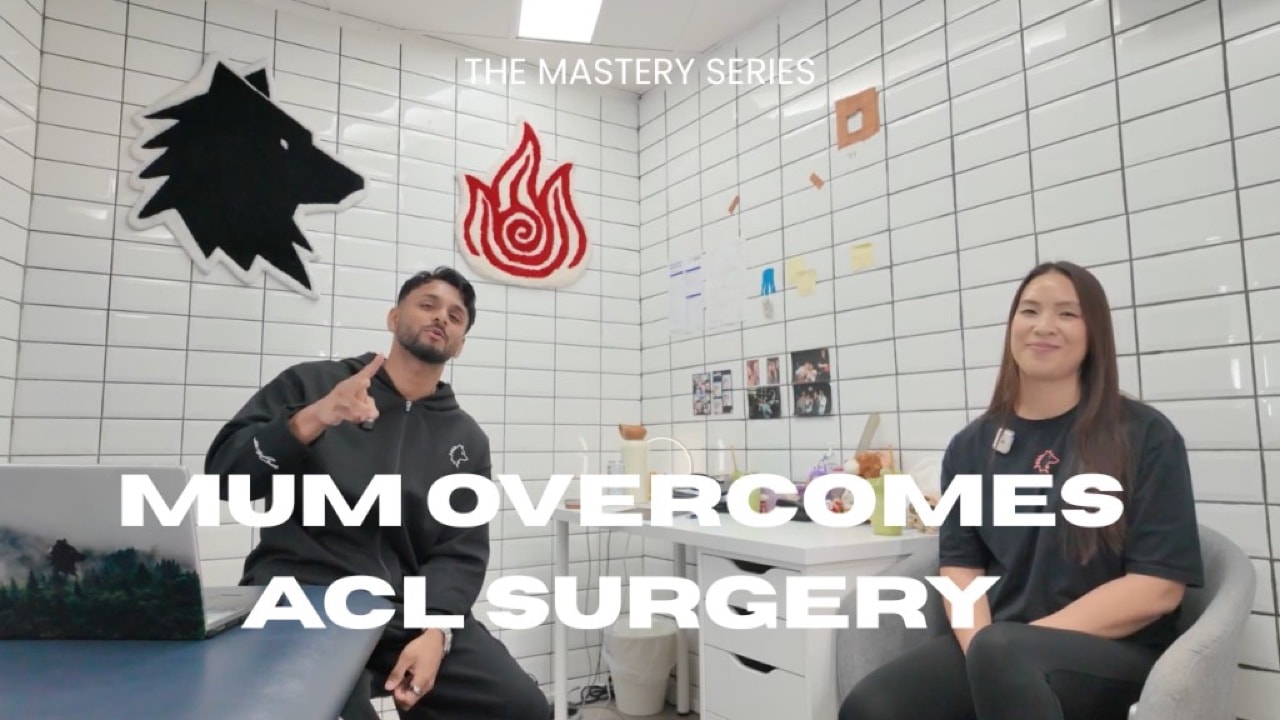
Mum Overcomes ACL Surgery
Linda tore her ACL and meniscus on a tornado kick. Mum of three. Two years later she’s training again — and she can sprint for a forgotten bandana. Her story. Watch the full session below — then open the video page for notes, timestamps, and related guides.
Mastery program
The ACL Comeback Program
A structured 28-day knee rehab program designed for people stuck in the "almost better" phase after ACL or meniscus injury. Rebuild strength, restore confidence, and bridge the gap between feeling okay and being fully back.
Soccer mum. Dance mum. Floor time.
Linda’s kids don’t wait for hop-test scores. Emily had just turned four and was really active. Keeping up meant kneeling on the ground and sitting with legs crossed. For a long time she couldn’t. One leg out. Recording at Olivia’s performance in Canley Heights with the recovering knee managed like a third child.
A performer landed on her. She remembered. We were grateful it wasn’t the leg in recovery. She also said: hit me, don’t hit anyone else. That’s a parent.
Only recently could she kneel without thinking and sit cross-legged without thinking. Hear the order of scary things in Mum Overcomes ACL Surgery. Watch on YouTube.
Want a structured program, not just an article?
This guide gives you the framework. The ACL Comeback Program ($50) is our 28-day lower-limb strength block for the “almost better” phase — when you can walk and do daily life but need progressive loading before you trust running again. Pair it with the free Knee Pain Mastery Guide for day-to-day exercises.
Why the floor is a different problem to the gym
You can squat a work set and still panic at 130° of flexion on a hard floor. Kneeling and tailor-sitting ask for:
- Flexion you actually own, not flexion you can bounce to once
- Tolerance of pressure on the front of the knee (graft-dependent)
- Time in the position — concerts are not a 3-second hold
- The social bit: you are in public, kids are watching, you don’t want the “injured mum” seat
We dose it. Short kneels on a pad. Sit on a block and lower the block. Get up before the knee swells. Do not make a two-hour eisteddfod the first session. That’s how people flare a graft and decide “I can’t kneel any more” as a personality.
Online Rehab Academy
Book a free discovery call
Want this protocol mapped to your injury, scan and timeline? Our Online Rehab Academy pairs video-guided rehab with remote coaching from our clinical team — the same standards as in-clinic care, from home.
How we build kneeling back
- Own flexion first. Heel slides, bike, and a squat you can sit in without holding your breath. If you cannot get the heel to the hip on the table, the floor will feel like a threat.
- Pressure on a pad. High kneeling or a half-kneel on a folded towel, 20–40 seconds, stand up before the front of the knee complains. Repeat. Hard hall floors come later.
- Time, not heroics. Add 15–20 seconds a session when the next morning is quiet. Concerts are 30–60 minutes. We build toward that. We do not start there.
- Cross-legged from a block. Sit on a yoga block or a firm cushion, lower it over weeks. One leg out is allowed as a starting position — it is not allowed to become your personality for three years without a plan.
If the graft is patella tendon, kneeling can stay sensitive longer. That is tissue, not weakness of character. We work around it and we still practise the position. Avoidance is how “I can’t kneel” becomes permanent.
This is still return to sport
If your sport is keeping up with three children, the floor is the field. Pair this with the milestone bar, rehab that fits around dance comps, and playing with your kids after injury.
Buy The ACL Comeback Program or book a free discovery call
The ACL Comeback Program is our paid 28-day lower-limb strength and confidence block ($50). We use it for ACL and meniscus rehabs — and for athletes stuck in the “almost better” phase after knee sprain, giving-way, or a long layoff from running and court sport. It is built for the whole lower limb, not only post-op ACL.
Purchase The ACL Comeback Program →
Want a plan mapped to your scan, sport and timeline without coming in first? Book a free discovery call for our Online Rehab Academy →
Free progressive home loading: Knee Pain Mastery Guide. In Cabramatta / South West Sydney? Book an in-clinic physio assessment.
Frequently Asked Questions
Why can’t I kneel after ACL reconstruction?
Graft type, swelling, flexion range, and fear all show up on the floor. Patella-tendon grafts can make kneeling specifically miserable. Even with other grafts, people avoid the position for months and then the position stays foreign.
When did Linda get kneeling back?
She said only recently — years into the story, not month three. She could run and kick before she could kneel and cross her legs without thinking. That’s a useful order to remember: sport skills and floor positions are not the same rehab.
Is sitting cross-legged safe after ACL surgery?
When flexion, swelling and your surgeon/physio allow it, yes. Forcing a deep sit on a hot, angry knee is not bravery. Dose it like any other range: short, repeated, on a surface you can bail from.
What about kneeling on a hard hall floor to film a kid?
That’s a real test and a terrible first exposure. Pad, time it, and don’t make the concert the session. Linda still took a performer landing on her at Canley Heights — grateful it wasn’t the recovering leg.
Does this replace return-to-sport testing?
No. It sits beside it. A hop test doesn’t tell us whether you can sit on a hall floor for 40 minutes. Both matter if that’s your life.
Where is this in the video?
Chapter 6 — https://youtu.be/3wtzFnZ5ldY.