ACL Rehab Around Kids and Dance Comps: Exercises in the Audience
Video masterclass
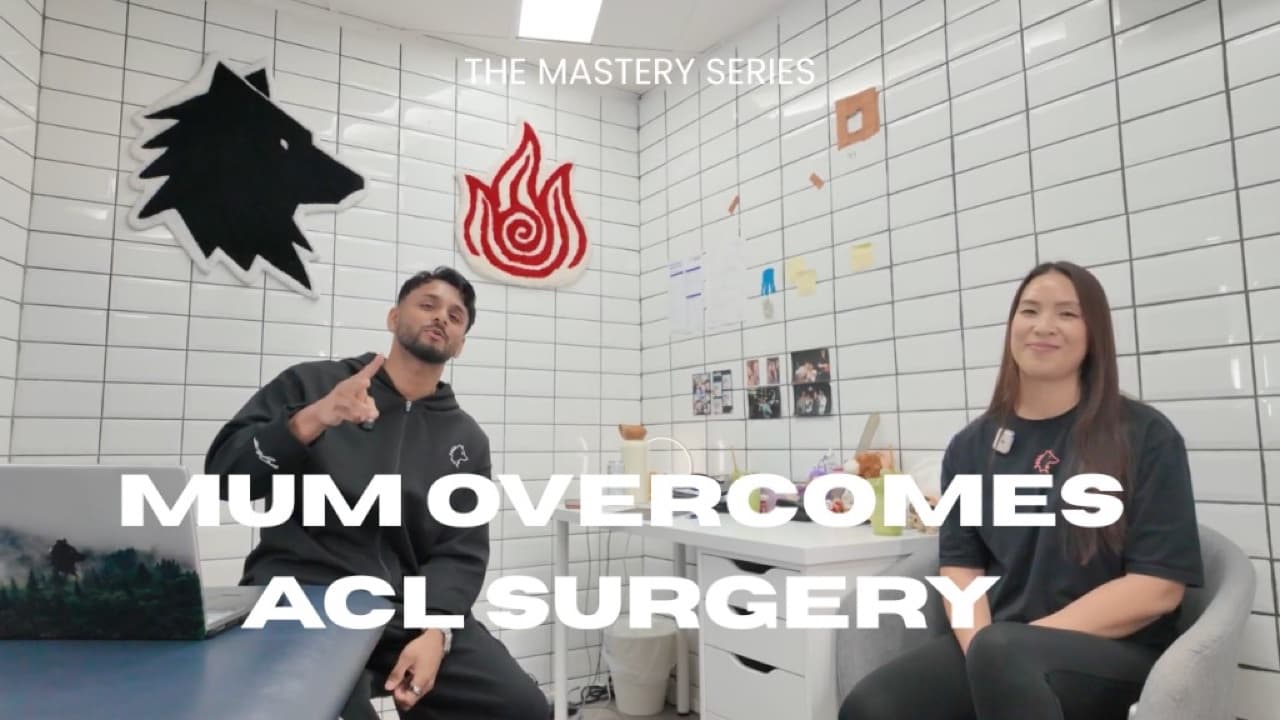
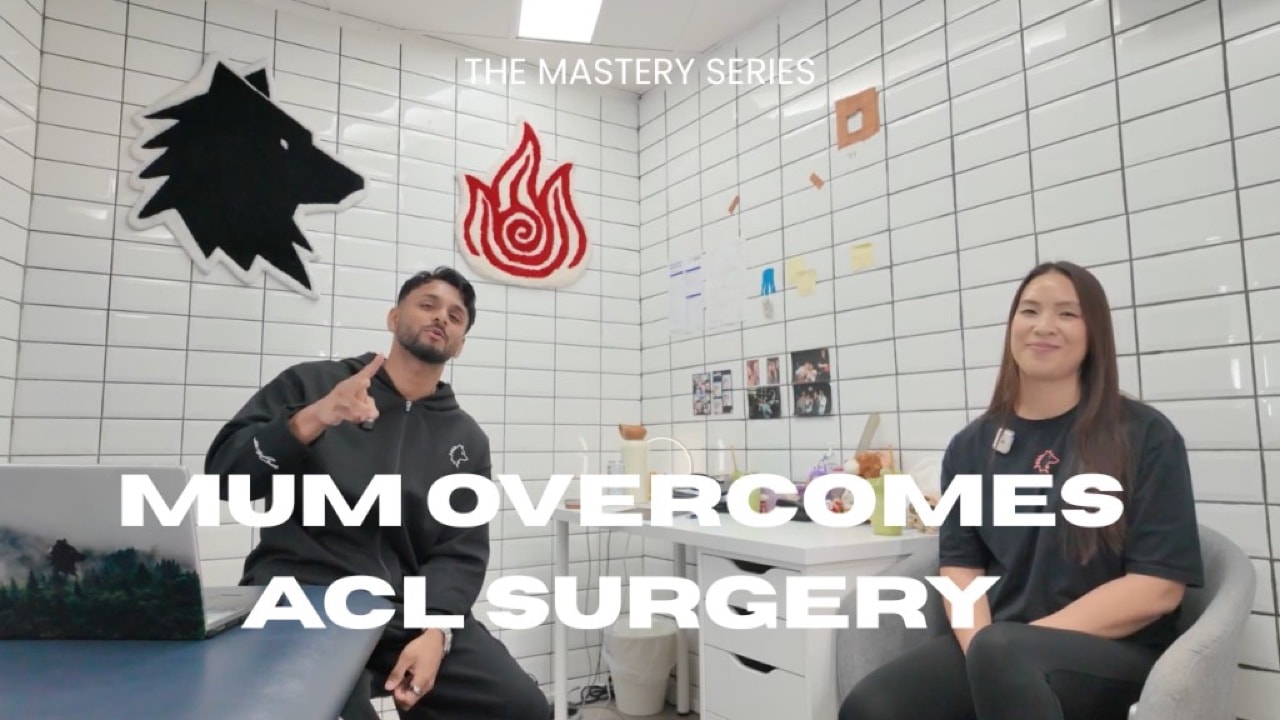
Mum Overcomes ACL Surgery
Linda tore her ACL and meniscus on a tornado kick. Mum of three. Two years later she’s training again — and she can sprint for a forgotten bandana. Her story. Watch the full session below — then open the video page for notes, timestamps, and related guides.
Mastery program
The ACL Comeback Program
A structured 28-day knee rehab program designed for people stuck in the "almost better" phase after ACL or meniscus injury. Rebuild strength, restore confidence, and bridge the gap between feeling okay and being fully back.
Three kids. Soccer. Martial arts. Competitive dance.
The little one just likes to run around everywhere. Competitive dance means driving, kneeling to record, being that dance mum. This is not a “find 90 minutes at 6am” household. Rehab that only works in a perfect gym does not work here.
About ten months after surgery Linda travelled to America for a dance competition. Tough. Sitting in the audience waiting for it to start, she did her exercises. Other mums: what are you doing? “I need to get in my rehab.” Husband wasn’t there. Other mums helped. That’s the year-one version.
Year two they went again. Someone forgot a bandana. They ran — sprinted — to Walmart. Late, in trouble, 40–45° heat. She said the difference in recovery from last year to this year was significant. I said I’d count that sprint as a session. Hear both trips in Mum Overcomes ACL Surgery. Watch on YouTube.
Want a structured program, not just an article?
This guide gives you the framework. The ACL Comeback Program ($50) is our 28-day lower-limb strength block for the “almost better” phase — when you can walk and do daily life but need progressive loading before you trust running again. Pair it with the free Knee Pain Mastery Guide for day-to-day exercises.
What 12 months of dedication actually looks like
Not a montage. A year of getting the session in when the hall is loud and you’re the only adult. The Walmart run is available because the boring work happened when nobody was filming.
- Write the minimum session that still counts (10 minutes beats a skipped day)
- Pack the band, the list, the pad — the way you pack snacks
- Tell one other adult what you’re doing so it isn’t a secret hobby
- Do not use the trip as a week off “because it’s a holiday”
A hotel-corridor session we actually use: single-leg calf raises on the bathroom step, a wall sit or Spanish-squat hold if the knee is ready, band walks, and a 10-minute brisk walk that is not “looking for coffee.” If landing is already in the program, two quiet stick-lands on carpet — not plyos in a shared hallway at 11pm.
Long-haul sitting is a load. Get the aisle if you can. Walk the cabin. Do not treat “I sat for 14 hours then walked 20,000 steps around a convention centre” as rest. That is why year one felt brutal. Year two felt different because the knee had earned the steps.
Online Rehab Academy
Book a free discovery call
Want this protocol mapped to your injury, scan and timeline? Our Online Rehab Academy pairs video-guided rehab with remote coaching from our clinical team — the same standards as in-clinic care, from home.
Related
Kneeling at the concert · stop putting yourself last · the five exercises when you have a gym.
Buy The ACL Comeback Program or book a free discovery call
The ACL Comeback Program is our paid 28-day lower-limb strength and confidence block ($50). We use it for ACL and meniscus rehabs — and for athletes stuck in the “almost better” phase after knee sprain, giving-way, or a long layoff from running and court sport. It is built for the whole lower limb, not only post-op ACL.
Purchase The ACL Comeback Program →
Want a plan mapped to your scan, sport and timeline without coming in first? Book a free discovery call for our Online Rehab Academy →
Free progressive home loading: Knee Pain Mastery Guide. In Cabramatta / South West Sydney? Book an in-clinic physio assessment.
Frequently Asked Questions
Can I travel after ACL reconstruction?
When your team says the knee can tolerate the sitting, the walking and the days on your feet. Linda’s first America trip was about 10 months post-op and it was tough. Year two was a different human. Plan the trip as a load, not a holiday from rehab.
How do you actually do rehab at a competition?
The same session, smaller. Band work in the seat. Calf raises on a stair. A walk that counts. Linda did her exercises in the audience; other mums asked what she was doing. “I need to get in my rehab.” That’s the whole program in one sentence.
Is a emergency sprint “a session”?
I’m happy to count the Walmart bandana run as a session. I’m not happy to use chaos as the first time you sprint. Year two was available because year one was boring and consistent.
I’m the only adult on the trip. Now what?
That’s Linda year one: Olivia and her, other mums helping, husband not there. We plan around that — fewer heroic gym sessions, more things you can do in a hotel corridor and a hall. Pride is not a programming variable.
How different is year two?
In her words: significantly different. Same comps, same heat, ability to run. Twelve months of dedication is not a slogan when you’ve lived both trips.
Where is this in the video?
Chapter 10 — /video-library/v/mum-overcomes-acl-surgery.