Fear of Re-Injury After ACL or Knee Surgery: A Physio's Mental Roadmap
Strong graft. Weak trust.
Twelve months after ACL reconstruction, your surgeon says the knee looks good. Quad strength is back. Hop tests are passing. And you still don't trust it — you cut differently, you brace before contact, you skip the session that "might" reinjure you.
You're not alone. Research consistently shows that psychological readiness — not just physical metrics — predicts who actually returns to pre-injury sport. Fear of re-injury (kinesiophobia) is the silent reason many "successful" surgeries produce cautious athletes who never fully come back.
Why the knee can be "fixed" and the brain still says no
Your nervous system learned a lesson the day you ruptured: this movement is dangerous. That lesson doesn't automatically update when the graft heals. Without deliberate retraining, the brain keeps running the old alarm — sometimes louder than before.
- Hyper-vigilance: scanning for twinges, interpreting normal soreness as damage.
- Movement guarding: stiff landings, shortened stride, avoiding the planted-leg cut.
- Behavioural avoidance: skipping sport, declining intensity, "just in case" rest.
Each avoidance reinforces the belief that the knee is fragile. The loop is predictable — and breakable.
A physio's mental roadmap (after physical clearance)
1. Confirm you're actually cleared
Fear sometimes masks an unresolved physical issue — poor quad activation, hidden strength asymmetry, or inadequate sport simulation. Before mindset work, rule out the physical. Book a return-to-sport assessment at Evolve Physio if you're unsure.
2. Name the fear without shame
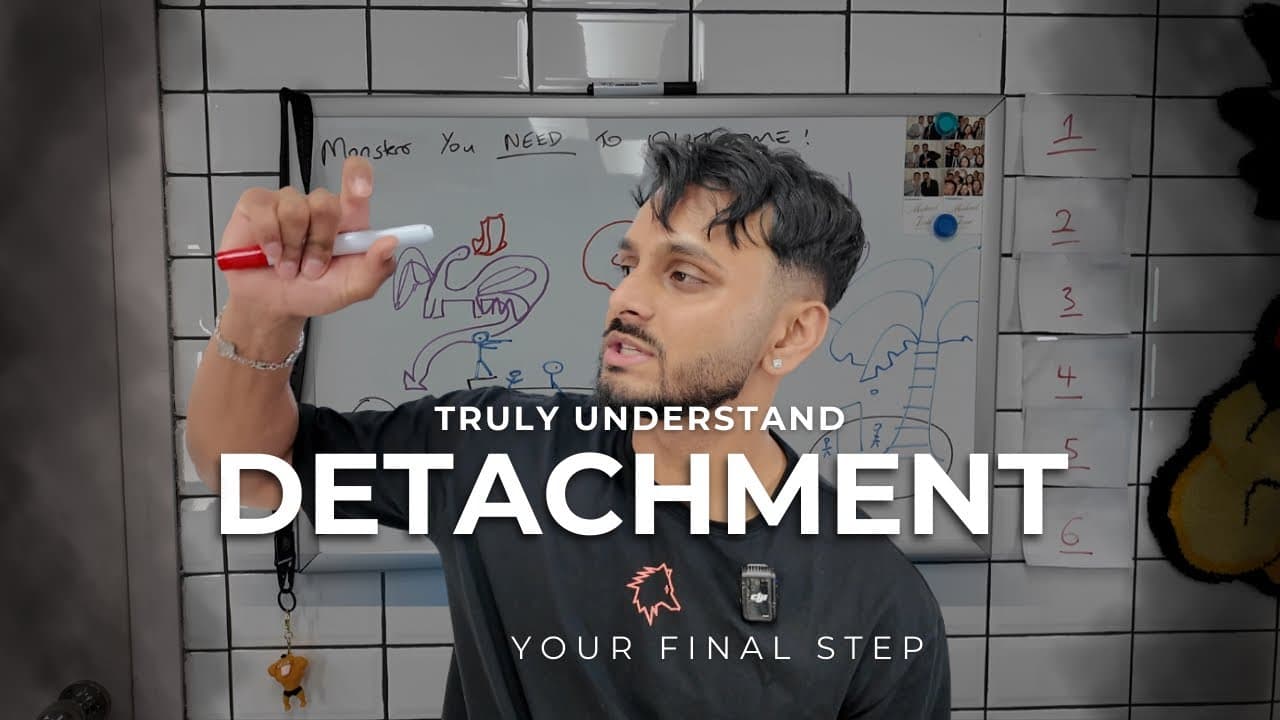
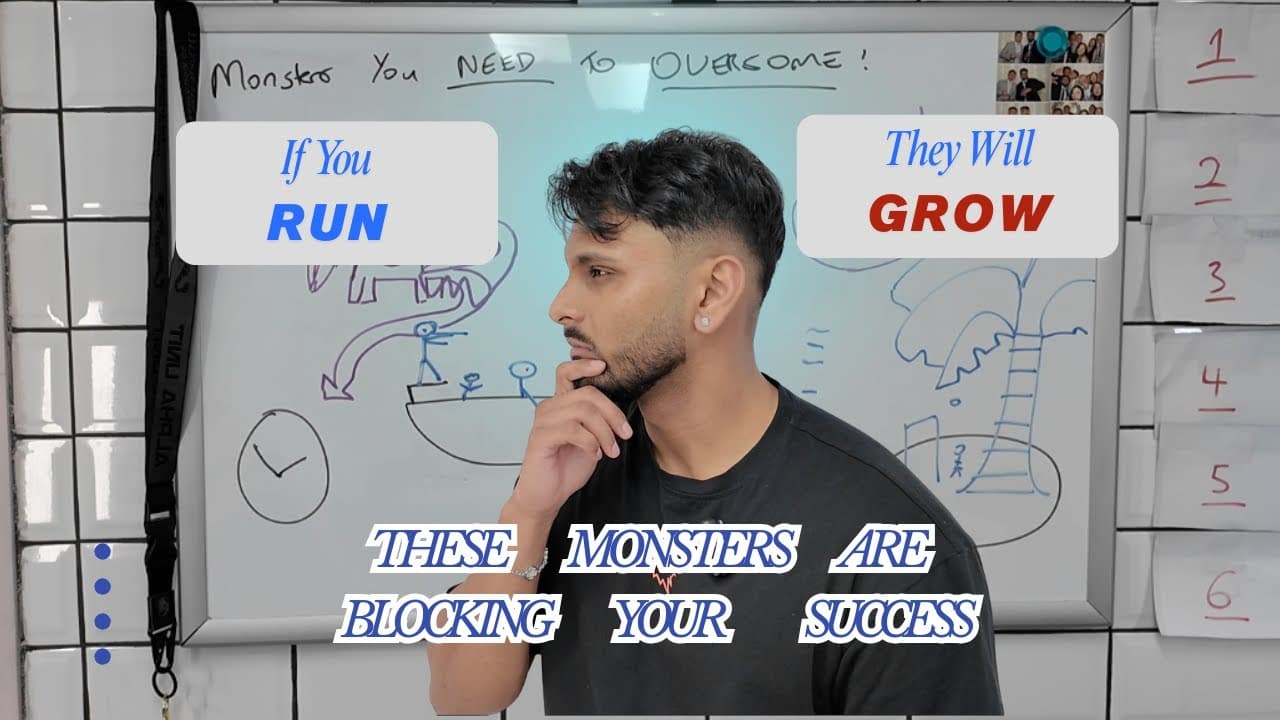
Week 6 of Brick By Brick — The Monsters You Need to Overcome — treats doubt, fear, and comparison as normal obstacles, not weakness. You don't wait to feel fearless; you act with fear present and let confidence follow.
3. Graded exposure beats reassurance
Being told "you'll be fine" doesn't rewire the nervous system. Small, repeated successes do — walk, jog, cut at 50%, then 70%, then full. Pair physical progression with our return to running framework if running is your sport.
4. Track confidence, not just strength
ACL-RSI scores at 6, 9, and 12 months give you a number for the psychological side — the same way hop tests quantify the physical side. If strength is 95% but confidence is 40%, you know where the work is.
5. Shed the injured identity
If you still introduce yourself as "post-ACL" or "the cautious one," Week 4 of Brick By Brick — You Were Never Meant to Stay Broken — addresses the identity layer that keeps fear alive.
Free course + workbook + ACL program
- Brick By Brick — free seven-week mindset course; Week 1 plays free on the landing page
- Workbook on Amazon — chapter exercises for each week
- ACL Comeback Program — structured 28-day strength bridge for the "almost better" phase
When to book in
If fear is limiting your return 9+ months post-ACL — or you're guarding on everyday activities — combine mindset work with a physio review. We assess both tracks at Evolve Physio & Mastery, Cabramatta. Clients travel from Liverpool, Fairfield, Bankstown, and across South-West Sydney.
Related: return to sport — the tests aren't the hard part · Week 6 deep dive
Coming soon: Evolve Online Rehab Academy
We're opening our Online Rehab Academy soon — a full recovery platform for people rebuilding after knee or low back injury. Brick By Brick handles the mindset and identity layer; the Academy is where guided physical recovery, coaching, and community come together.
Here's what we're building:
- 1-to-1 and group recovery calls — live support with practitioners who know your story, not a generic program and good luck.
- Knee and low back focus — tailored pathways for the two areas we treat most in clinic.
- Guided programs with coaching check-ins — your plan adjusts as you progress, with scheduled calls to review how you're tracking.
- A community that understands — people who know what setback feels like and want to support each other through it.
- Multiple practitioners, different niches — the right expertise for your goal, whether that's return to sport, work, or daily life without pain.
- A dedicated app — direct communication with your team, video demos of every exercise, consistency tracking, and a log for reps, sets, weights lifted, and notes after each recovery session.
Enrolments aren't open yet. If knee or back recovery is your priority, book a clinic assessment or contact us and mention the Online Rehab Academy — we'll let you know the moment we launch.
Frequently Asked Questions
What is kinesiophobia?
An excessive fear of movement due to belief that activity will cause re-injury. After ACL reconstruction it's one of the strongest predictors of poor return-to-sport rates — often independent of strength or graft healing.
How long until fear after ACL surgery is normal?
Fear peaks around return-to-sport windows (often 9–12 months post-op) even when graft maturity and strength look good. If you're physically cleared but psychologically guarded at 12+ months, the barrier is likely mental, not surgical.
Does ACL-RSI measure fear of re-injury?
Yes. The ACL Return to Sport after Injury scale (ACL-RSI) is a validated questionnaire. Lower scores correlate with lower return-to-sport rates. Many clinics use it alongside hop tests for a fuller picture.
Can I fix ACL fear without another surgery?
In the vast majority of cases, yes. Graded exposure, confidence-building progressions, cognitive reframing, and structured mindset work (like Brick By Brick Week 6) address fear without touching the graft.