Return to Sport After Injury: Why Passing the Physical Tests Isn't the Hard Part
You passed the tests. So why aren't you back?
The hop test was clean. Strength is within 10% of the other side. Your physio said you're cleared. And yet — you hesitate on the first hard cut. You pull up early in a sprint. You find reasons to skip the match.
This is one of the most common conversations in our Cabramatta and Liverpool clinics: the body is ready; the mind isn't. Return to sport isn't a single event — it's two parallel tracks. Most rehab programs only formalise one of them.
What the physical track covers
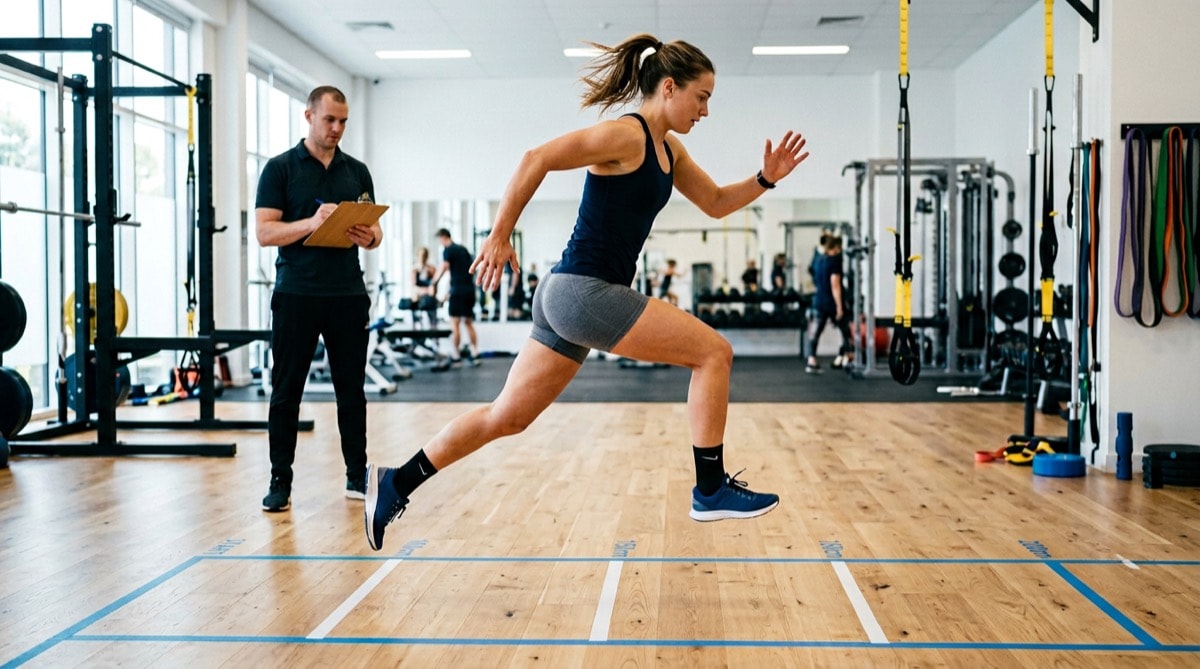
The physical return-to-sport pathway is well mapped. Progressive loading, strength benchmarks, hop symmetry, sport-specific drills, and graded exposure to game demands. Australian and international ACL guidelines emphasise criterion-based progression — not calendar-based — for good reason.
If you're returning to running specifically, our 8-week return to running framework is the most-read guide on this site for a reason. It gives you the physical progression. What it can't give you is trust.
What the physical track misses
- Fear of re-injury — guarding, hesitation, and movement compensation even when tissue is strong.
- Identity gap — you don't feel like "yourself" on the field yet.
- Comparison trap — measuring today against pre-injury you on every rep.
- Inconsistent discipline — showing up for physio but skipping the mental homework.
These aren't character flaws. They're predictable sequelae of serious injury — and they respond to structured work the same way muscle does.
The missing layer: mindset and identity
That's why we built Brick By Brick: The Mountain Within — a free seven-week video course (~25 minutes per week) for the psychological rebuild that runs alongside physio:
- Weeks 1–2: honest starting point and naming what was lost
- Weeks 3–4: belief and shedding the "injured" identity
- Week 5: discipline when motivation drops
- Week 6: fear, doubt, and comparison — the return-to-sport blockers
- Week 7: detachment and moving forward
Week 1 is free to watch on the landing page — no sign-up. Unlock the full course when you're ready. Deepen it with the Brick By Brick workbook on Amazon.
Practical next steps
- Confirm the physical side is actually clear — if you haven't had hop testing or sport simulation, book a return-to-sport assessment first.
- Start the mindset course — especially Weeks 3, 4, and 6 if fear is the main blocker.
- Graded exposure — return in layers (training → friendly → competitive), not all-or-nothing.
For ACL-specific strength work, our ACL Comeback Program bridges the gap between "almost better" and return to sport. For general knee strength, the free Knee Pain Mastery Guide is a solid foundation.
Related reading
Fear and doubt after injury (Week 6) · Why recovery stalls at 80% · Fear of re-injury after ACL surgery
Coming soon: Evolve Online Rehab Academy
We're opening our Online Rehab Academy soon — a full recovery platform for people rebuilding after knee or low back injury. Brick By Brick handles the mindset and identity layer; the Academy is where guided physical recovery, coaching, and community come together.
Here's what we're building:
- 1-to-1 and group recovery calls — live support with practitioners who know your story, not a generic program and good luck.
- Knee and low back focus — tailored pathways for the two areas we treat most in clinic.
- Guided programs with coaching check-ins — your plan adjusts as you progress, with scheduled calls to review how you're tracking.
- A community that understands — people who know what setback feels like and want to support each other through it.
- Multiple practitioners, different niches — the right expertise for your goal, whether that's return to sport, work, or daily life without pain.
- A dedicated app — direct communication with your team, video demos of every exercise, consistency tracking, and a log for reps, sets, weights lifted, and notes after each recovery session.
Enrolments aren't open yet. If knee or back recovery is your priority, book a clinic assessment or contact us and mention the Online Rehab Academy — we'll let you know the moment we launch.
Frequently Asked Questions
Why am I cleared but still afraid to play?
Physical clearance and psychological readiness are different systems. Hop tests, strength symmetry, and range of motion don't automatically restore trust. Fear-avoidance and low confidence are normal — and treatable — even when tissue is healed.
What return-to-sport tests do physios use?
Common batteries include single-leg hop tests (distance, triple hop, crossover hop), strength symmetry (often >90% limb symmetry index), and sometimes sport-specific drills. Passing these is necessary but not sufficient for confident return.
How does Brick By Brick help return to sport?
It's a free seven-week mindset course — belief, identity, discipline, fear, and closure — designed to run alongside physio. Week 6 directly addresses doubt and fear; Week 1 is free to watch on the course page.
Should I return to running before returning to sport?
Often yes. A structured running progression (walk–jog–run) builds tissue tolerance and confidence before cutting and sprinting. See our return to running guide for the physical framework.