Why Anxiety Happens After an Injury (Your Brain Is Protecting You)
Video masterclass
The Scattered Mind of an Athlete Cannot Find Peace
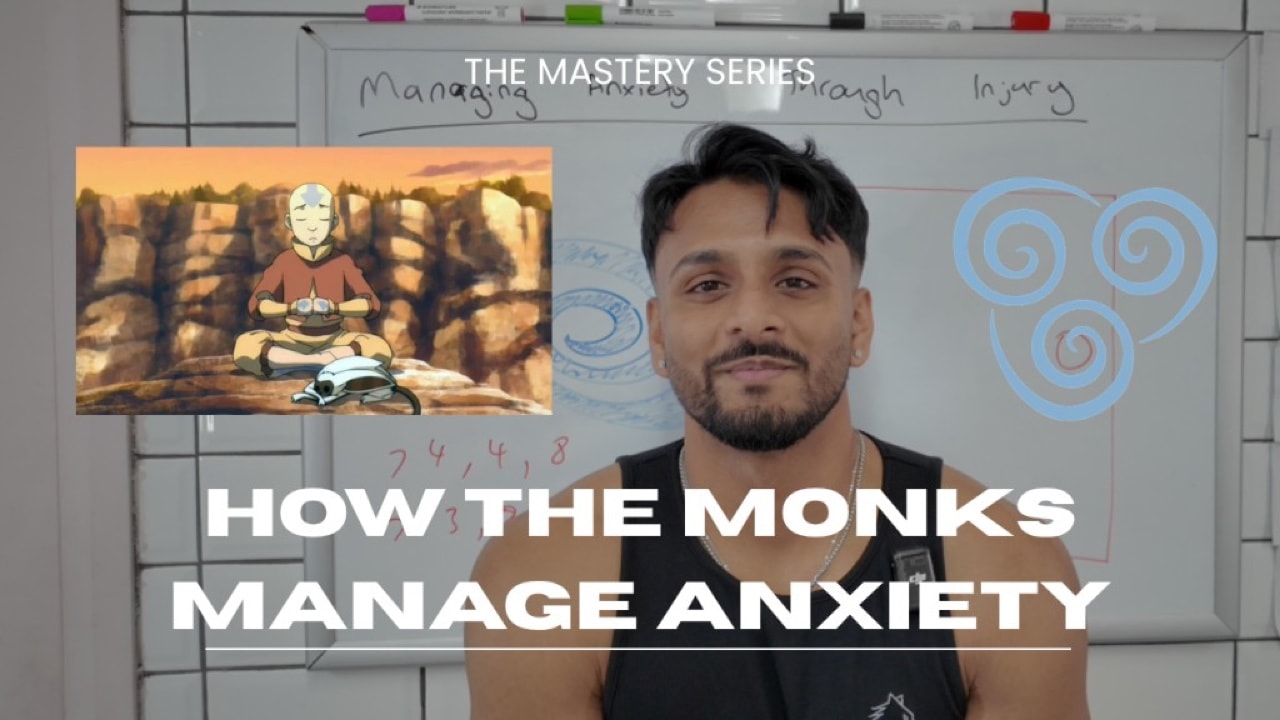
The scattered mind of an athlete cannot find peace. Why injury anxiety happens, a breathing drill to calm it, then the exposure ladder to return to sport. Watch the full session below — then open the video page for notes, timestamps, and related guides.
It isn’t the pain — it’s the not knowing
Sometimes the hardest part about an injury isn’t the pain itself. It’s not knowing whether you’ll recover, whether you’ll compete again, or whether you’ll ever feel like yourself again.
That uncertainty is where anxiety lives. In The scattered mind of an athlete cannot find peace, we open with exactly why it happens — watch on YouTube.
What your brain is actually doing
Anxiety happens because your brain is trying to protect you from uncertainty, pain and potential danger. After an injury it remembers the pain and begins watching closely for anything that might threaten you again.
Movements, sensations, or situations connected to the injury can trigger that protective response. Even when there is no longer danger:
- Your heart rate increases.
- Your breathing changes.
- Your muscles tense.
- Your mind starts predicting what could go wrong.
This is not weakness. This is your nervous system trying to feel safe.
The problem is overprotection, not protection
Protection is useful in the first days after a tear or a fracture. The problem is that the system can become overprotective — reacting to the possibility of danger as though danger is already happening.
That’s why an athlete who is medically cleared can still feel their chest tighten walking onto the court. The tissue healed. The alarm didn’t.
The anxious brain is not broken
It’s trying to protect you from a threat that is no longer dangerous, but once was. That distinction matters, because it changes the goal of rehab. You’re not trying to silence a faulty system. You’re showing your brain, your body and your nervous system that you’re okay — things are fine, we’re safe.
What to do this week
- Name the trigger. Which movement, place or sensation sets it off? See how the brain learns injury associations.
- Calm the system first. The breathing and visualisation drill is the practical tool from the talk.
- Then expose gradually, using the seven-step exposure ladder.
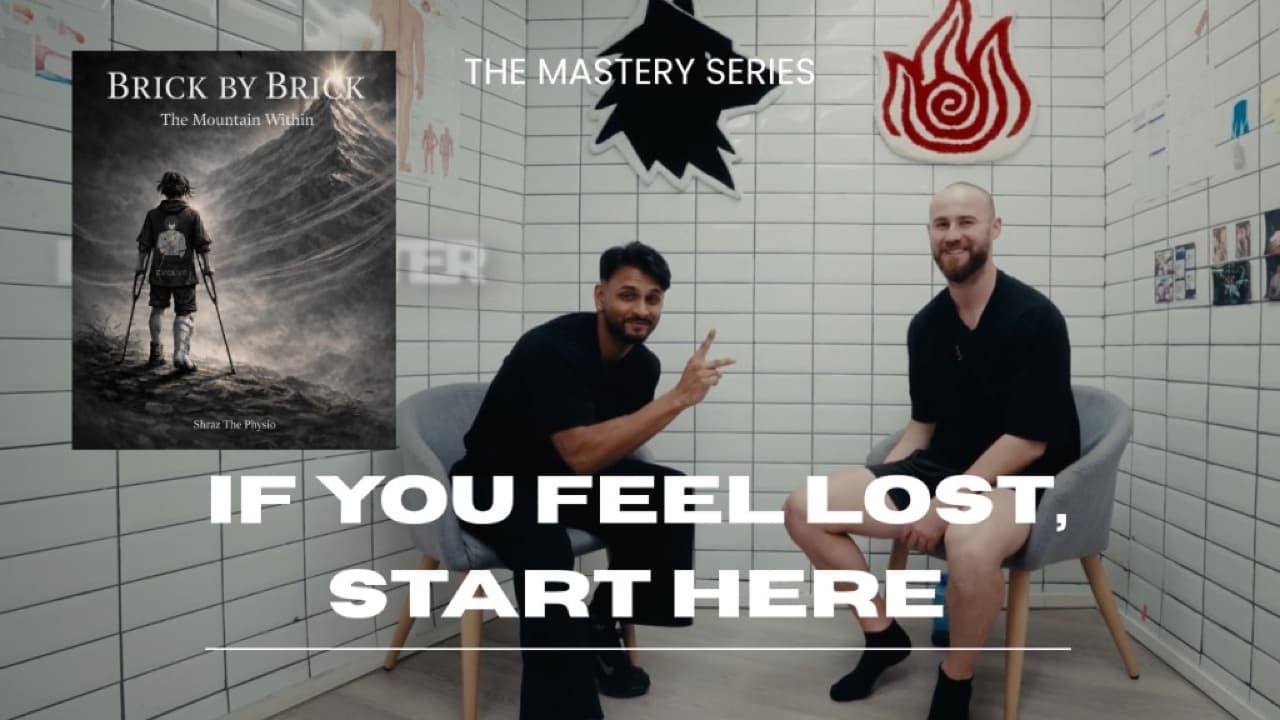
- Run the mindset layer alongside rehab with Brick By Brick.
Related reading
The full framework · If hell is your home · When breathing isn’t enough
Book a physio assessment at Evolve Physio & Mastery — Cabramatta & South West Sydney.
Frequently Asked Questions
Is anxiety after an injury normal?
Yes. Your brain remembers the pain and starts watching closely for anything that might threaten you again. Increased heart rate, faster breathing, muscle tension and worst-case thinking are protective responses — not a character flaw.
Why does my body react when there’s no actual danger?
Because the nervous system can become overprotective. It reacts to the possibility of danger as though danger is already happening, so movements and situations connected to the original injury still trigger the alarm.
Where is this explained in the video?
The opening section (0:00–1:10) and the “anxious brain is not broken” segment at 3:07 of “The scattered mind of an athlete cannot find peace” — watch on our video library or YouTube (https://youtu.be/Wn2tbSOQTmQ).