Warehouse, Forklift and Pick-Pack Injuries on WorkCover: A Guide for Wetherill Park, Smithfield and the SW Sydney Industrial Corridor
The industry your back complains about every Friday
The Wetherill Park, Smithfield, Yennora, Erskine Park, Eastern Creek and Minto industrial corridors are some of the densest warehouse and distribution centres in Australia. Coles, Woolworths, Amazon, Aldi, Toll, Linfox, Australia Post — and hundreds of smaller third-party logistics operators — employ tens of thousands of workers across the region. Most live in the surrounding suburbs: Liverpool, Cabramatta, Fairfield, Canley Heights, Bonnyrigg, Mt Druitt, Bankstown. At Evolve Physio & Mastery in Cabramatta, warehouse workers are one of our largest WorkCover patient groups.
Warehouse injury patterns are well understood, the management is well established, and the NSW workers compensation system is built to handle them. The challenge is usually navigating the system effectively — which is what this post helps with.
The four warehouse injury patterns we see most
1. Acute lumbar disc / sprain — manual handling
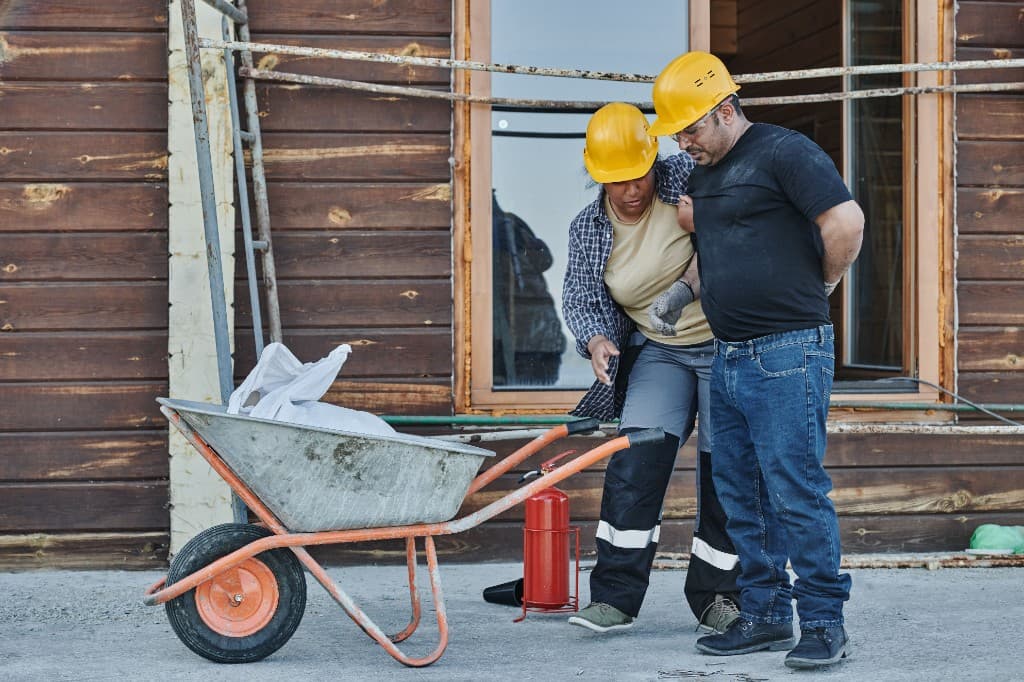
Lifting boxes from the bottom of a pallet, twisting under load, catching a falling carton. Sharp pain, often immediate. Sometimes radiating down the leg if a disc is involved. This is the highest-volume WorkCover claim from warehouses and the most preventable.
2. Pick-pack repetitive strain — shoulders, wrists, elbows
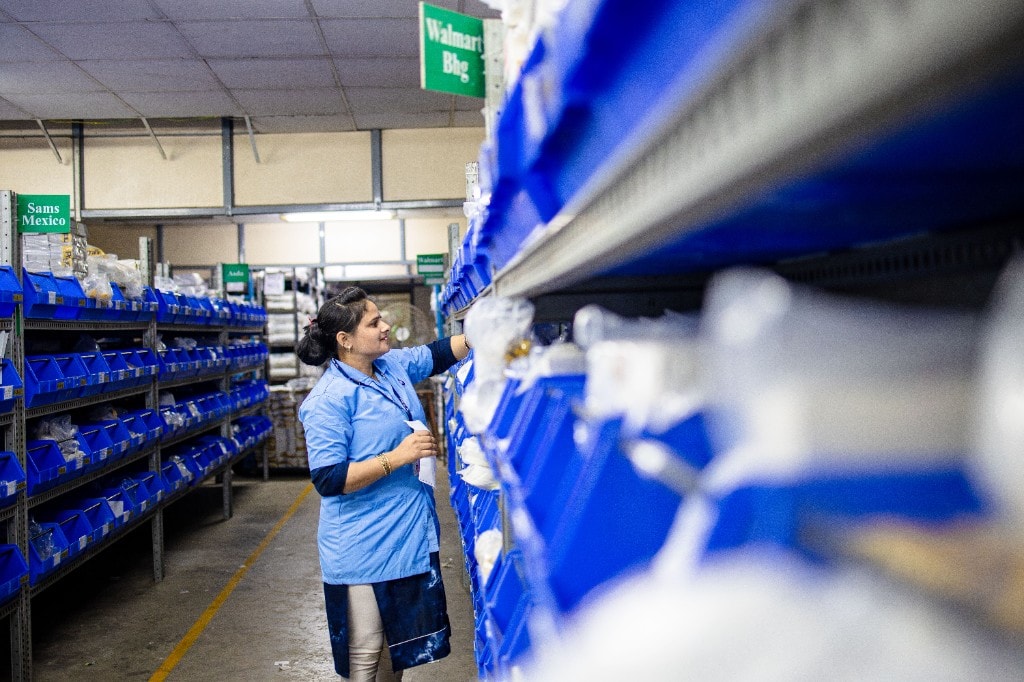
Hundreds to thousands of small-to-medium lifts per shift, often at awkward heights and reaches. Symptoms build over weeks to months: shoulder ache by mid-shift, grip fatigue, wrist pain, lateral elbow pain. By the time most pick-packers present, the irritation has been brewing for months.
3. Forklift, MHE and stand-up reach truck injuries
Several patterns: whiplash and neck/back injuries from sudden stops, foot and ankle injuries from getting in and out, lower back pain from prolonged sitting and vibration on diesel forklifts, shoulder injuries from twisting to reverse on stand-up reach trucks. Forklift incident reports (running into racking, falling load) generate a separate severity category — these need immediate medical assessment.
4. Slips, trips and falls
Wet floors near loading docks, oil leaks under MHE, freezer floors, uneven yard surfaces. Wrist (FOOSH — fall on outstretched hand) and ankle injuries dominate. Knee injuries from twisting falls are common.
The NSW WorkCover pathway for warehouse injuries
Standard pathway, with a few warehouse-specific notes:
- Report immediately — to your supervisor AND your labour-hire coordinator if you're on a labour-hire contract. Both need to be in the loop.
- Workplace incident report — make sure it's actually filled in. Photograph it if you can.
- See your GP for a Certificate of Capacity — same day if possible for acute injuries. Take photos of the injury site and any visible bruising.
- The insurer opens the claim — usually icare or a scheme agent. Provisional liability typically covers the first 12 weeks of treatment.
- Start physio early — sessions 1–8 are initial treatment; from session 9 we submit an Allied Health Recovery Request to the insurer with a treatment plan and return-to-work goals.
- Graduated return to duties — modified duties first, progressive return to full capacity.
For the broader system overview, our WorkCover physio guide walks through every step. For first-48-hour decisions, our first 48 hours after a workplace injury guide.
Labour-hire vs. direct employee — a critical distinction
If you work through a labour-hire agency (Adecco, Hays, Programmed, Workpac, etc.), your employer for workers compensation purposes is the agency, not the host site. This affects:
- Who you report the injury to (both — but the claim goes through the agency's policy).
- Where modified duties come from (the agency arranges, often with the host site or alternative).
- Wage replacement (paid through the agency's payroll under workers compensation rates).
- Risk of shift cancellation (you have legal protection, but practical risk exists — document everything).
If you're casual, your wage replacement is calculated based on your average earnings over the relevant reference period. Multi-employer casuals may need help to ensure all employers are accounted for in the calculation.
What WorkCover physio for warehouse workers actually involves
Same three layers, applied to warehouse-specific demands:
- Symptom management — pain, swelling, sleep, early movement.
- Capacity rebuilding — progressive lifting, carrying, pushing/pulling capacity work in the gym.
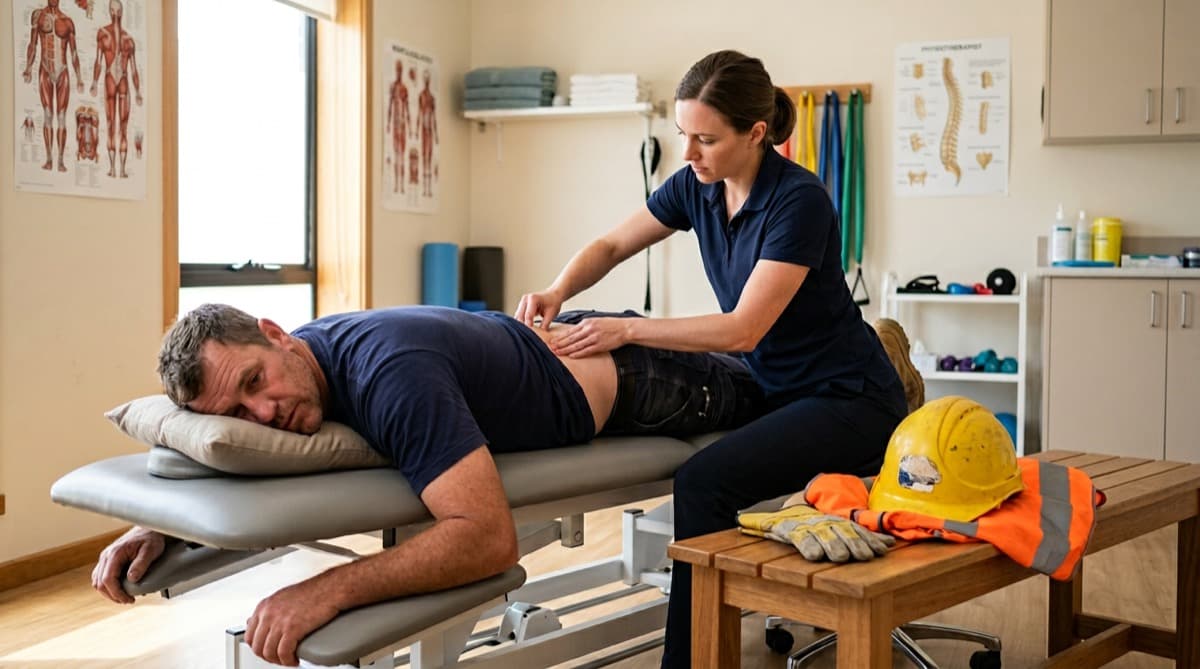
- Task simulation — actual warehouse tasks rebuilt in graded form. We simulate pallet lifts at increasing heights, repetitive pick patterns, push/pull at varying loads, ladder climbing, reaching into upper bays. This is the part that makes the difference between "feels OK in the clinic but flares back at work" and "actually back to work."
Realistic modified duties for warehouse roles
Warehouses generally have more modified-duty options than they first claim:
- Picking lighter SKUs (e.g. clothing instead of grocery, small parts instead of bulk).
- Slot maintenance, label and barcode work.
- Quality control and inspection.
- Returns processing.
- Inventory cycle counts.
- Pick-to-light or voice-pick at reduced speed.
- Forklift driving (if licensed and medically cleared) instead of manual handling.
- Training or supervisory support.
- Office-based admin during early recovery.
The Allied Health Recovery Request we submit to the insurer documents specific return-to-work targets — e.g. "tolerate full 8-hour pick-pack shift with intermittent lifting to 20kg by week 8." Clear targets keep the claim moving.
Prevention — what employers should actually be doing
The single highest-leverage interventions in warehouse injury prevention:
- Pre-employment functional screening.
- Manual handling training that's actually delivered (not a YouTube video at induction).
- Engineering controls — pallet rotators, lift assists, conveyor heights.
- Job rotation between high-load and low-load tasks.
- Adequate breaks and realistic productivity targets.
- Early access to physio for niggles before they become claims.
If your warehouse runs an early-intervention physio service, use it — early management costs the insurer (and you) a fraction of late management.
Crush injuries and falls from height — different category
Anything involving falling pallets, vehicle impact, falls from height, or crush mechanisms needs emergency medical assessment, not "wait and see." Compartment syndrome, internal injuries, fractures and spinal injuries can present with deceptively manageable initial symptoms and worsen quickly. Workers compensation runs alongside acute care — both happen in parallel. Don't delay emergency care to "do the paperwork first."
Related reading
For lower back pain in depth, our lower back pain guide. For shoulder issues, our rotator cuff impingement piece. For ankle sprains, the ankle sprain rehab framework. For when to image, our MRI for back pain myth-buster. For the system pathway, our WorkCover physio guide.
Book a WorkCover physio assessment
If you've been injured in a warehouse — Wetherill Park, Smithfield, Yennora, Erskine Park, Minto, anywhere across the Southwest Sydney industrial corridor — we can usually see you within a week. Book a WorkCover assessment at Evolve Physio & Mastery, Cabramatta. SIRA-aligned, all paperwork handled with your insurer and labour-hire agency where relevant. For a plain-English walkthrough of the system, our Workers Compensation Mastery Guide.
This article is general educational information about NSW workers compensation and physiotherapy. It is not legal or financial advice. For legal questions about labour-hire arrangements, contract issues, or claim disputes, seek advice from a workers compensation lawyer. References: SIRA NSW; SafeWork NSW; icare NSW.
Frequently Asked Questions
Is the labour-hire agency or the host employer responsible for my WorkCover claim?
Generally the labour-hire agency (your direct employer) is responsible for the workers compensation claim, since they pay your wages and hold the workers compensation policy. The host site's safety standards and incident management are still relevant — both companies have a duty of care. Always report to both your labour-hire coordinator AND the host site supervisor.
What if I'm on a casual contract and my shifts get cancelled after I report an injury?
This may constitute adverse action under the Fair Work Act, on top of any workers compensation rights. You have legal protection from being dismissed or having shifts cut as retaliation for making a workers compensation claim. Document everything. Speak to Fair Work Ombudsman, the Workers Compensation Independent Review Office, or a workers compensation lawyer.
I was crushed by a falling pallet — is this just WorkCover, or something more?
Crush injuries can have lasting consequences beyond what's immediately visible — compartment syndrome, internal injuries, long-term tendon or nerve damage. Get full medical assessment promptly. Severe crush injuries should be presenting to ED, not just the local GP. A WorkCover claim runs alongside the medical care — both happen in parallel.
Pick-pack work has wrecked my shoulders. How long until I'm 'fit to return'?
Depends on severity, your age, how long it's been building, and how aggressively the original duties can be modified. Typical pick-pack shoulder overuse responds in 8–16 weeks with the right loading program and modified duties. The minute you return to full pre-injury duties without rebuilding capacity, the clock resets.
Can I be required to do a Functional Capacity Evaluation (FCE)?
Yes, the insurer can request a Functional Capacity Evaluation as part of return-to-work planning. It's an objective test of what your body can safely do — lifting, carrying, postures, endurance. An FCE done by a properly qualified provider is genuinely useful information. Prepare by eating well, sleeping well, and not over-medicating the day before. Be honest about what you can and can't do; gaming the test in either direction hurts you.
My back injury happened on a Sunday shift but I didn't report it until Tuesday — am I still covered?
Yes, in most cases. NSW WorkCover law gives you up to 6 months from the injury to make a claim, though earlier is always better for evidence and continuity. Report it now, document the original mechanism as best you can, and get the Certificate of Capacity from your GP.