Shin Splints vs Stress Fracture: A Runner's Diagnostic Guide
Mastery program
The ACL Comeback Program
A structured 28-day knee rehab program designed for people stuck in the "almost better" phase after ACL or meniscus injury. Rebuild strength, restore confidence, and bridge the gap between feeling okay and being fully back.
Not all shin pain is “shin splints”
Runners label any medial shin ache shin splints. Physios ask a harder question: is this medial tibial stress syndrome (soft-tissue overload) or a tibial stress fracture (bone failure)? The training decision is completely different. Getting this wrong costs months.
Deeper dives: shin splints / MTSS physio guide · stress fractures in runners.
Want a structured program, not just an article?
This guide gives you the framework. The ACL Comeback Program ($50) is our 28-day lower-limb strength block for the “almost better” phase — when you can walk and do daily life but need progressive loading before you trust running again. Pair it with the free Knee Pain Mastery Guide for day-to-day exercises.
Readiness checks and clinical clues
- Location — MTSS: broad medial border ache. Fracture: focal spot you can point to with one finger
- Hop test — sharp focal pain on single-leg hop suggests fracture until cleared
- Night pain — more common with bone injury
- Warm-up response — MTSS often eases after warm-up; fractures typically worsen with continued impact
- Swelling — localised swelling over one cm favours fracture
- Training history — recent mileage spike in last 2–4 weeks?
Online Rehab Academy
Book a free discovery call
Want this protocol mapped to your injury, scan and timeline? Our Online Rehab Academy pairs video-guided rehab with remote coaching from our clinical team — the same standards as in-clinic care, from home.
Week-by-week action paths
If stress fracture suspected: weeks 1–2
- Stop impact running immediately
- Book clinical assessment; imaging if indicated
- Pool run / cycle to maintain fitness
If MTSS confirmed: weeks 1–2
- Reduce impact volume 30–50%
- Calf and hip strength 3×/week
- Ice or relative rest after runs only if it helps symptoms — loading is the main fix
Weeks 3–4: Reassess and stage return
- Fracture path: follow medical timeline — often no running until clearance
- MTSS path: if pain ≤2/10 with walking, begin walk-run intervals
Weeks 5–8: Graded return
- Fracture: 12-week stress fracture protocol once cleared
- MTSS: progressive run volume ≤10%/week with continued strength
Strength work for both paths
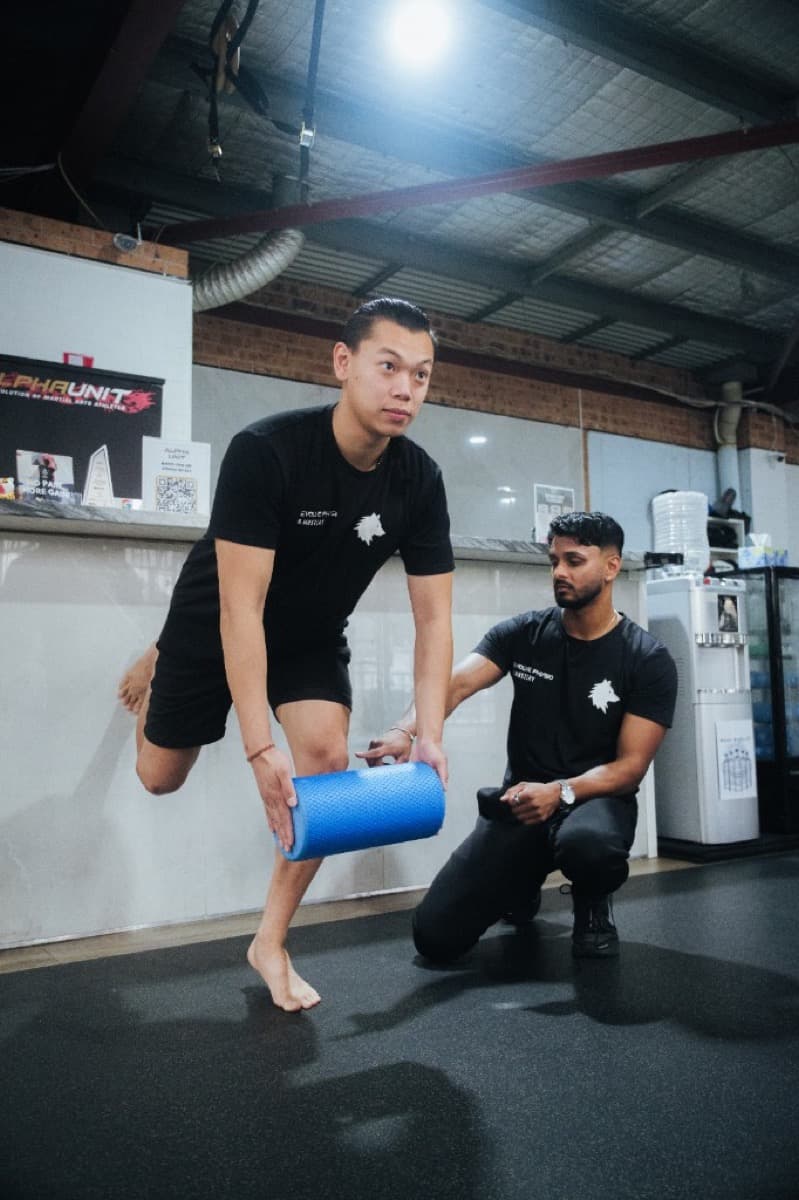
- Calf endurance — single-leg raises, bent and straight knee
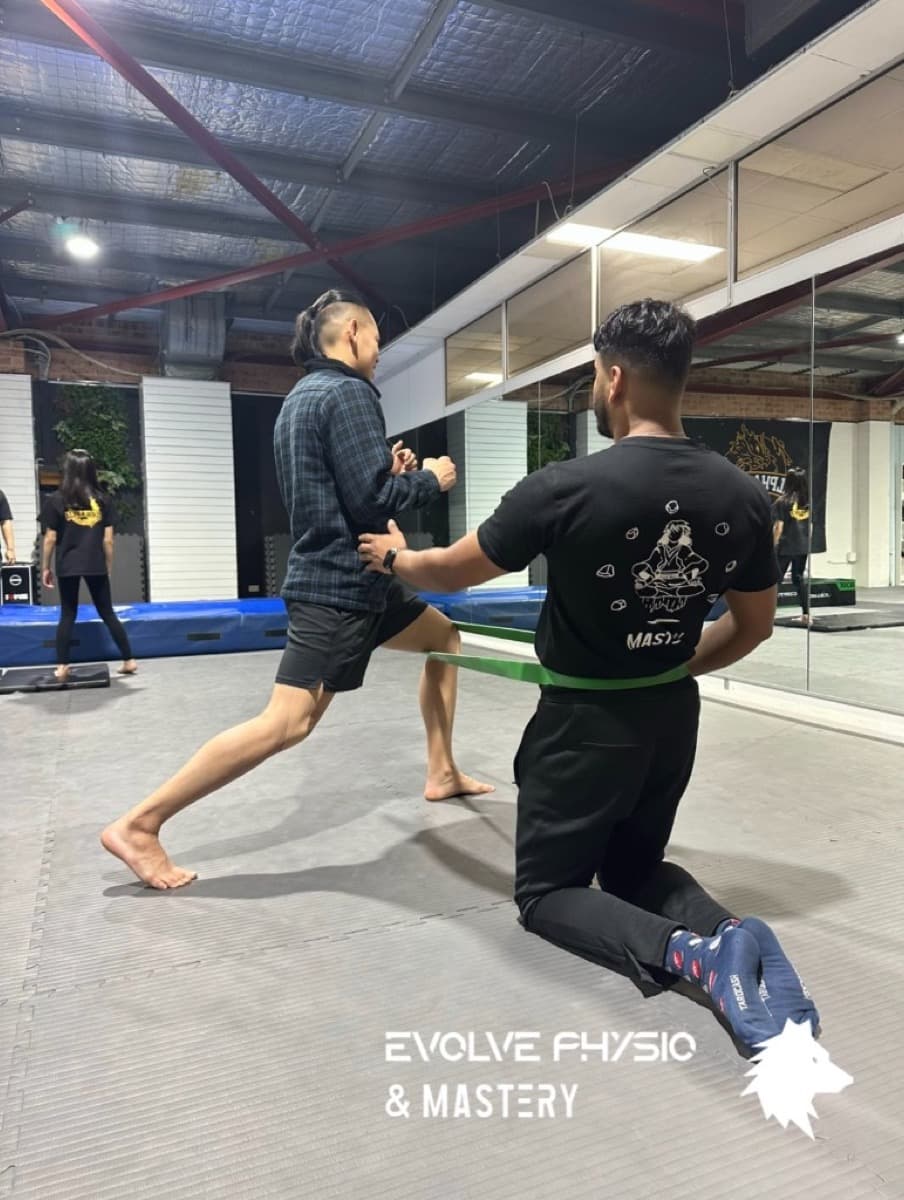
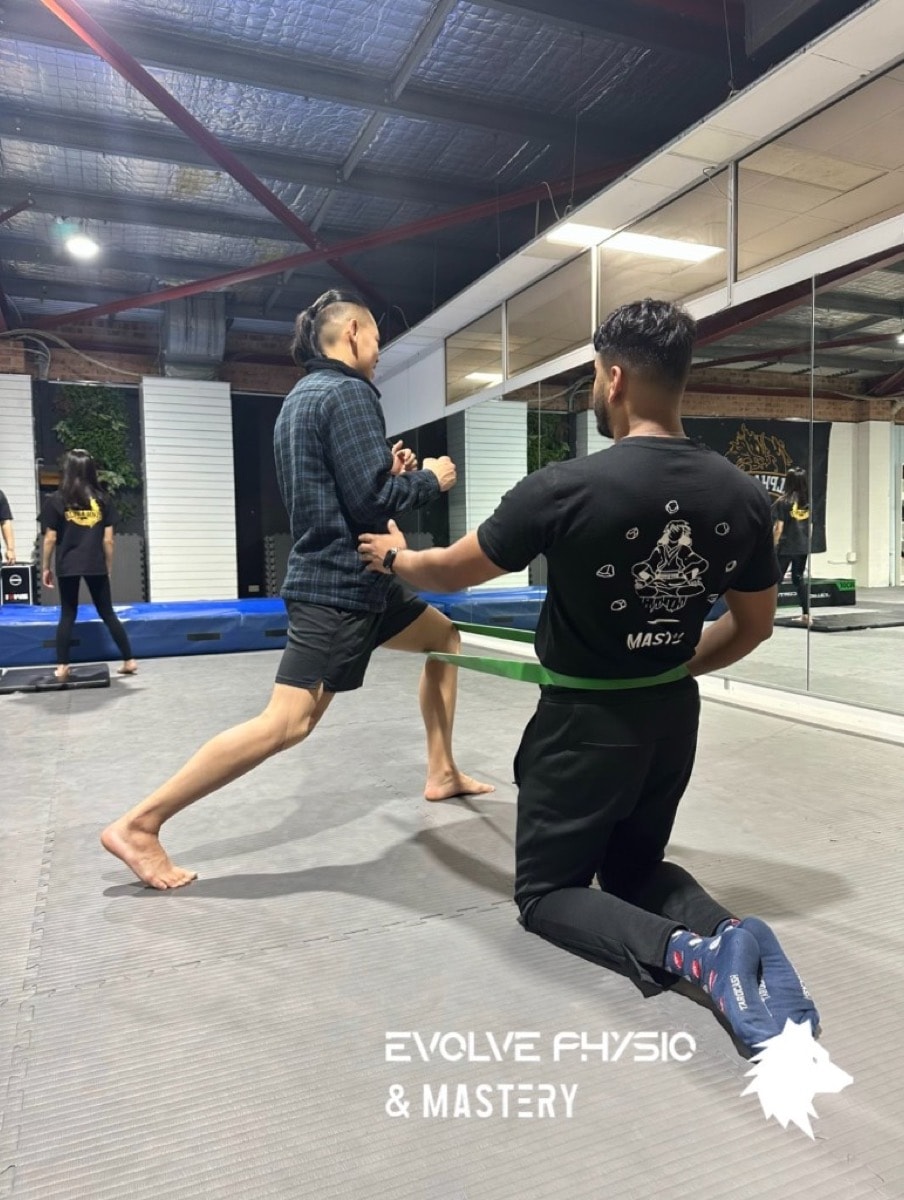
- Hip abduction and extension — reduce tibial torsion stress
- Core and pelvis control — single-leg stability drills
- Graded impact — pogo hops only when bone injury ruled out
- Load monitoring — track weekly km and intensity; avoid spikes
Red flags — when to step back
- Focal pain appearing where pain was previously diffuse — treat as fracture until cleared
- Pain progressing despite rest
- Limping during walking
- Night pain returning during a “shin splints” diagnosis
- Stress fracture history — lower threshold for imaging
Related reading
Return to running after injury — hub guide · Stress fracture 12-week protocol · Metatarsal stress fracture return plan
Buy The ACL Comeback Program or book a free discovery call
The ACL Comeback Program is our paid 28-day lower-limb strength and confidence block ($50). We use it for ACL and meniscus rehabs — and for athletes stuck in the “almost better” phase after knee sprain, giving-way, or a long layoff from running and court sport. It is built for the whole lower limb, not only post-op ACL.
Purchase The ACL Comeback Program →
Want a plan mapped to your scan, sport and timeline without coming in first? Book a free discovery call for our Online Rehab Academy →
Free progressive home loading: Knee Pain Mastery Guide. In Cabramatta / South West Sydney? Book an in-clinic physio assessment.
Frequently Asked Questions
How do I tell shin splints from a stress fracture?
Shin splints (MTSS) usually cause diffuse medial shin ache with activity that eases with warm-up. Stress fractures cause focal pinpoint tenderness, often worse at night, and sharp pain on single-leg hop. When in doubt, assume fracture until proven otherwise.
Do I need an X-ray or MRI?
X-rays often miss early stress fractures. MRI is gold standard when focal tenderness, hop pain, or night pain suggest bone injury. MTSS is usually clinical — imaging when red flags or stalled recovery.
Can I keep running with shin splints?
Sometimes at reduced volume if pain stays ≤3/10 and settles within 24 hours — but many runners need a short impact break plus strength work. Running through focal bone pain is not safe.
What causes both conditions?
Load spikes — sudden mileage, speed work, racing flats on hard surfaces, weak calves and hips, low bone density. Fixing the load pattern prevents recurrence.
Which return protocol do I follow?
MTSS: often strength + graded return once diffuse pain settles. Stress fracture: medical clearance then our <a href="/blog/return-to-running-after-stress-fracture-12-week-protocol">12-week stress fracture protocol</a>.
When should I see a physio urgently?
Focal hop pain, night pain, swelling over one spot, or pain that worsens despite rest — book assessment promptly. Early stress fractures become full fractures if ignored.