Return to Running After a Stress Fracture: A 12-Week Protocol
Video masterclass
The Best Running Protocol Nobody Teaches | Ultra Marathon Prep
The full 20-week framework we use to prep runners for marathons and ultras — addressing old injuries, mechanics, tendon health, and durability. Watch the full session below — then open the video page for notes, timestamps, and related guides.
Mastery program
The ACL Comeback Program
A structured 28-day knee rehab program designed for people stuck in the "almost better" phase after ACL or meniscus injury. Rebuild strength, restore confidence, and bridge the gap between feeling okay and being fully back.
Bone heals — then capacity must be rebuilt
A stress fracture is an overload injury: bone failed to keep up with training demand. Rest lets the fracture unite, but rest alone does not restore the tendon, muscle and bone tolerance you need for kilometres. We use this 12-week map at Evolve Physio once imaging or clinical criteria confirm you are cleared to load — not before.
For background on how stress fractures happen in runners, see our stress fractures guide. If you are unsure whether your shin pain is bone or soft tissue, read shin splints vs stress fracture first.
Want a structured program, not just an article?
This guide gives you the framework. The ACL Comeback Program ($50) is our 28-day lower-limb strength block for the “almost better” phase — when you can walk and do daily life but need progressive loading before you trust running again. Pair it with the free Knee Pain Mastery Guide for day-to-day exercises.
Readiness checks before walk-run
- Medical clearance — imaging or clinical sign-off to begin impact loading
- Pain-free walking — 30+ minutes daily for at least 2 weeks
- Hop test — single-leg hop on firm ground without focal shin or foot pain
- Calf capacity — 25+ single-leg calf raises, controlled tempo
- Single-leg strength — split squat or step-down without pain or collapse
- Training log review — identify the load spike that caused the fracture and fix it
Online Rehab Academy
Book a free discovery call
Want this protocol mapped to your injury, scan and timeline? Our Online Rehab Academy pairs video-guided rehab with remote coaching from our clinical team — the same standards as in-clinic care, from home.
Week-by-week protocol
Weeks 1–2: Walk only + strength base
- Brisk walking 30–45 min, 4–5 days per week
- Single-leg calf raises, hip abduction, glute bridge: 3×/week
- No running — rebuild bone and soft-tissue tolerance first
Weeks 3–4: Introduce walk-run
- 1 min run / 4 min walk × 6–8 cycles, every second day
- Flat, forgiving surface; easy conversational pace
- Monitor next-morning pain — should not exceed baseline
Weeks 5–6: Extend run intervals
- 2 min run / 2 min walk × 6–8 cycles, 3 sessions per week
- Add a fourth session only if no pain spike 24 hours later
Weeks 7–8: Continuous short runs
- 10–15 min continuous easy run, 3×/week
- Keep one walk-run session if longer efforts flare symptoms
Weeks 9–10: Build volume
- 20–25 min continuous runs; total weekly volume ≤ previous safe week + 10%
- One slightly longer run (30 min max) if symptom-free
Weeks 11–12: Return toward normal training
- 30–40 min runs; reintroduce one quality session (strides or gentle tempo) if pain-free
- Plan next block with ≤10% weekly volume increases
Strength work you cannot skip
Stress fractures in runners often come with calf, hip and foot intrinsic weakness. Include:
- Single-leg calf raises — 3 × 12–15, slow eccentric
- Step-downs and split squats — knee aligned over foot, no valgus collapse
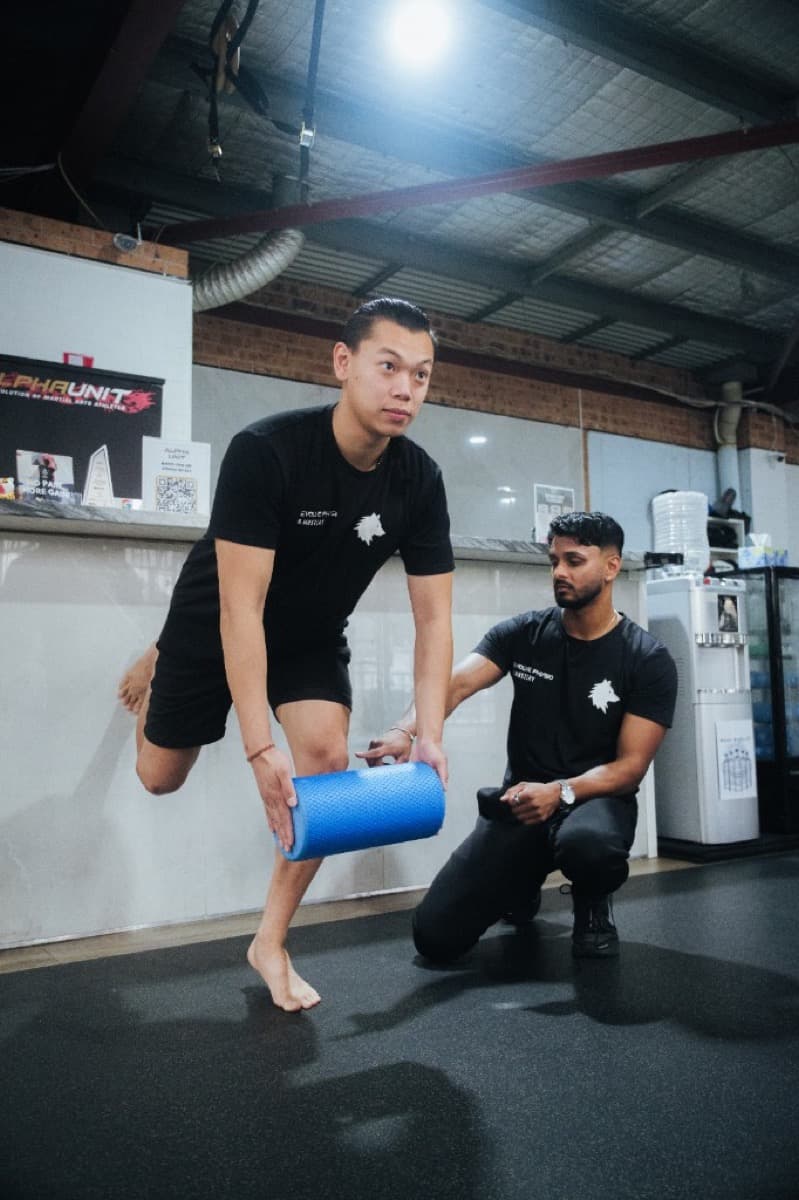
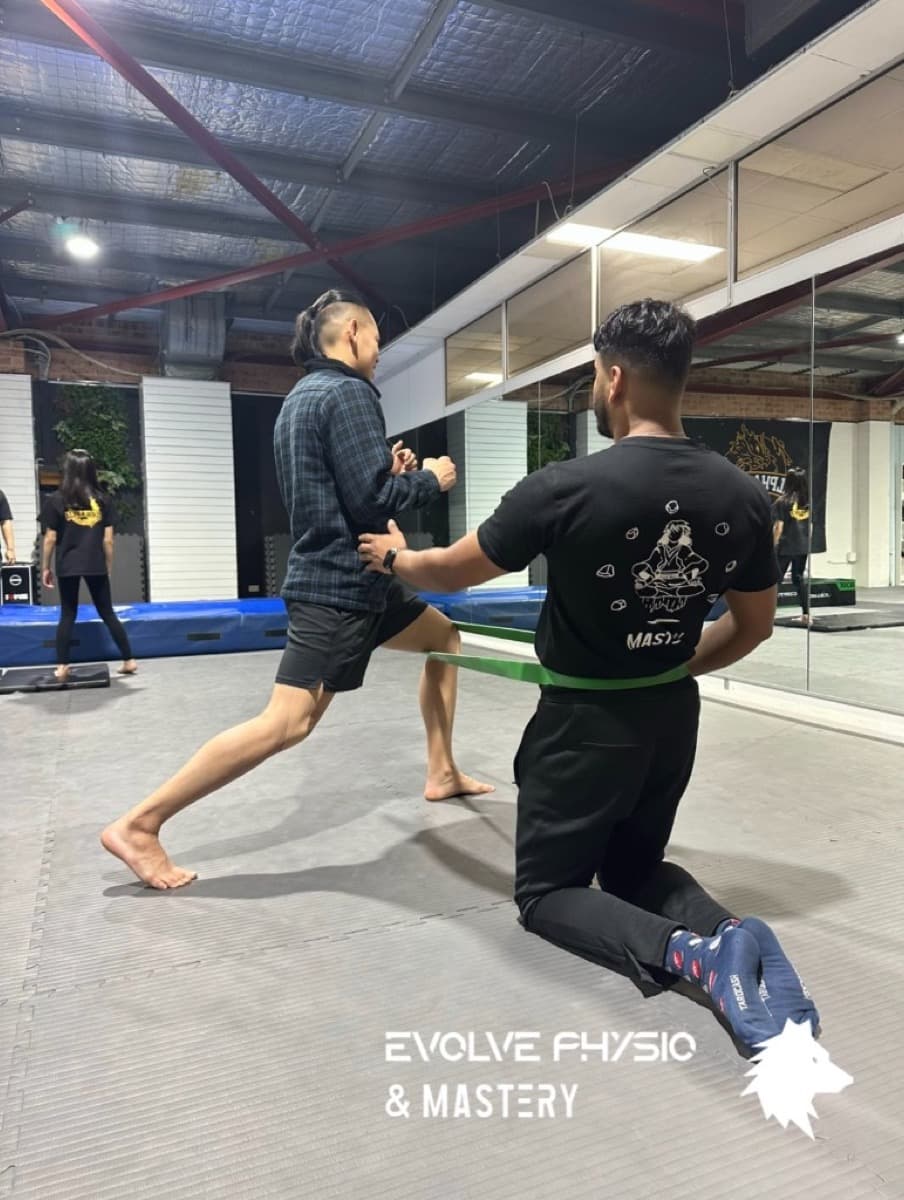
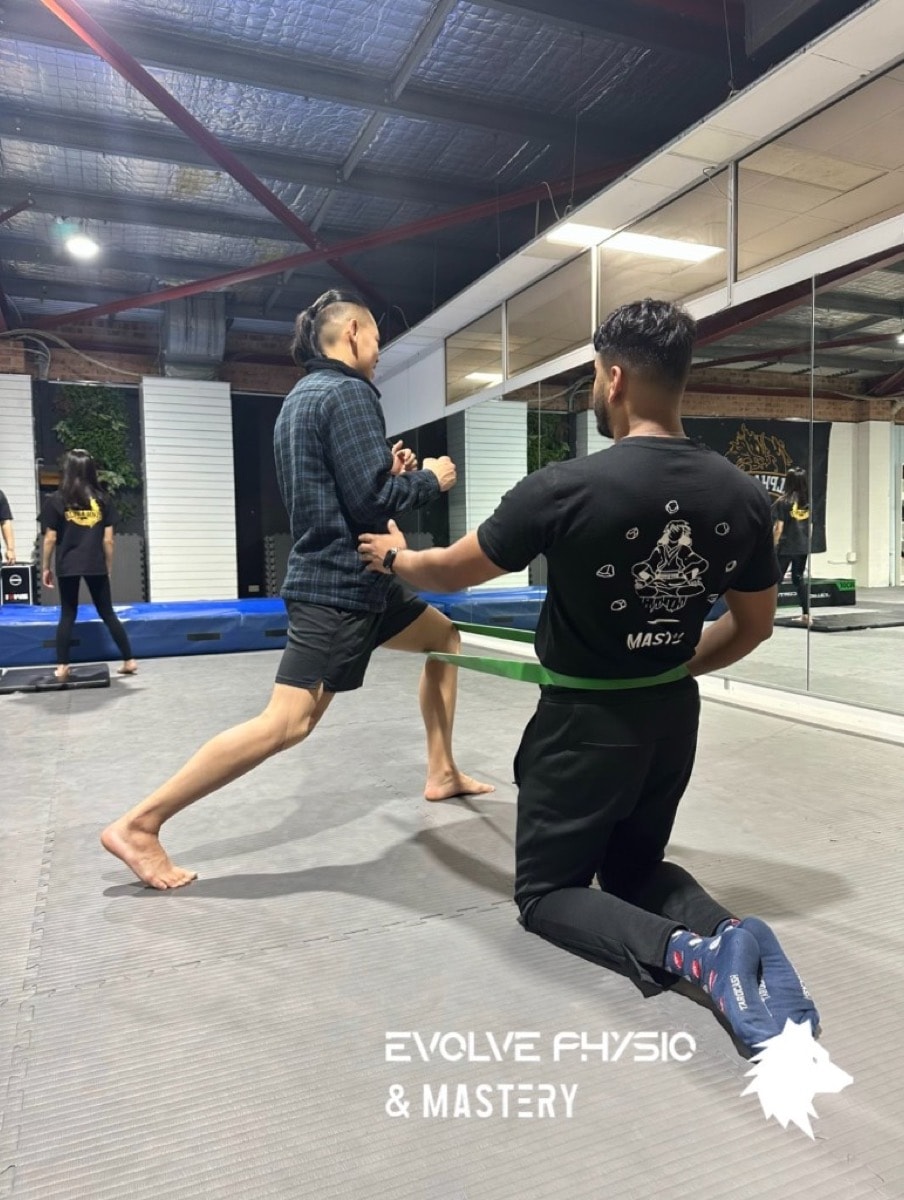
- Hip abduction and extension — band walks, single-leg RDL patterns
- Foot intrinsics — short-foot holds, towel scrunches
- Core and pelvis control — anti-rotation work for trunk stability on impact
Red flags — when to step back
- Focal pain on palpation or hop that was previously absent
- Night pain returning after a run session
- Swelling or warmth over the old fracture site
- Pain that worsens across the week despite reducing load
- Limping during or after runs — drop back two protocol stages and seek review
Related reading
Return to running after injury — hub guide · Metatarsal stress fracture return plan · Walk-run intervals after injury
Buy The ACL Comeback Program or book a free discovery call
The ACL Comeback Program is our paid 28-day lower-limb strength and confidence block ($50). We use it for ACL and meniscus rehabs — and for athletes stuck in the “almost better” phase after knee sprain, giving-way, or a long layoff from running and court sport. It is built for the whole lower limb, not only post-op ACL.
Purchase The ACL Comeback Program →
Want a plan mapped to your scan, sport and timeline without coming in first? Book a free discovery call for our Online Rehab Academy →
Free progressive home loading: Knee Pain Mastery Guide. In Cabramatta / South West Sydney? Book an in-clinic physio assessment.
Frequently Asked Questions
When can I start running after a stress fracture?
Only after your clinician confirms bony healing on imaging or clinical criteria — usually pain-free walking for 2+ weeks, no night pain, and no focal tenderness on hop testing. Starting early is the fastest route to a second fracture.
How long does the full return take?
Most runners need 8–12 weeks from first walk-run to comfortable continuous running, on top of the weeks already spent cross-training during bone healing. High-mileage athletes often need the full 12 weeks.
Can I cross-train while the bone heals?
Yes — pool running, cycling and upper-body conditioning maintain fitness without impact. Avoid activities that reproduce focal bone pain.
Should I change my running shoes?
Worn-out or inappropriate shoes are a common contributor. Replace shoes past 600–800 km, consider gait assessment, and address cadence and stride length when you return.
What if pain returns during walk-run?
Stop running immediately, drop back one protocol stage, and get reassessed. Localised pain on hop or palpation may mean loading exceeded healing capacity.
Does this replace medical clearance?
No. This protocol assumes imaging or clinical clearance to load. Always follow your sports physician or orthopaedic plan first.