PTSD After ACL Surgery: What Happens If You Never Fight It
Video masterclass
Stop Waiting for Things to Get Better
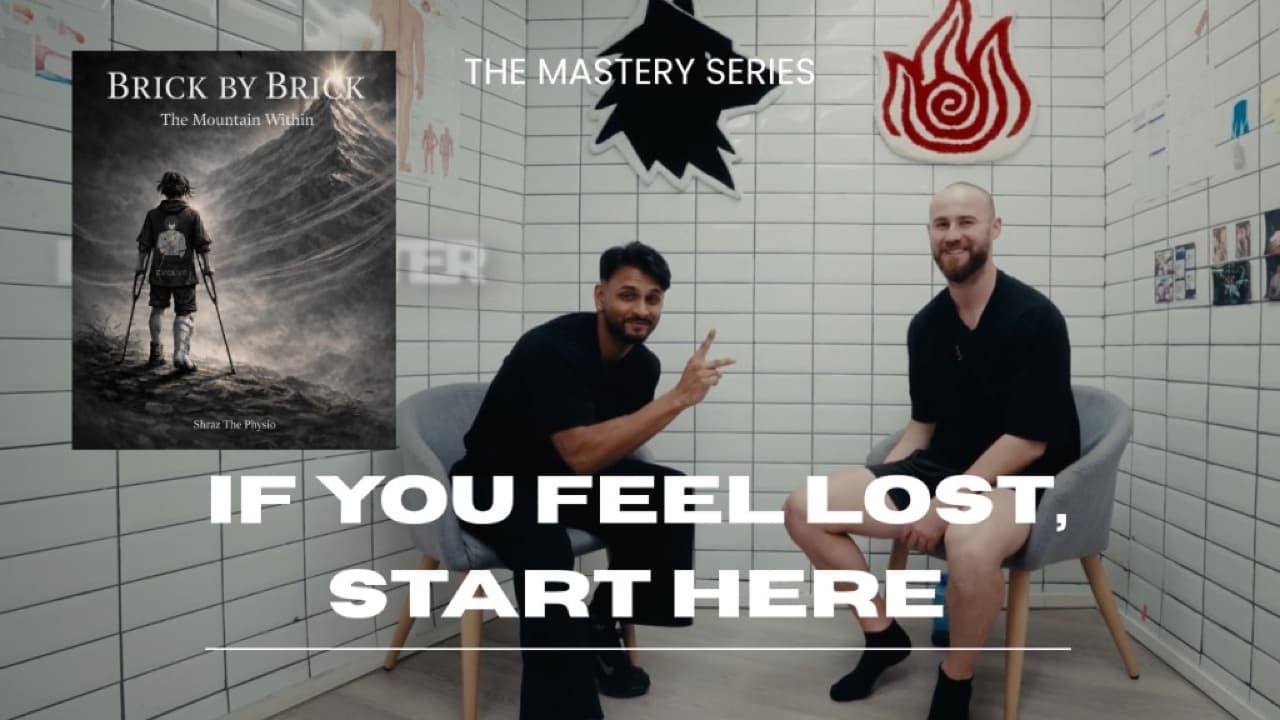
Stop waiting for things to get better. Three steps to overcome pain: create an end goal, face what happens if you don’t, then flip fear into courage now. Watch the full session below — then open the video page for notes, timestamps, and related guides.
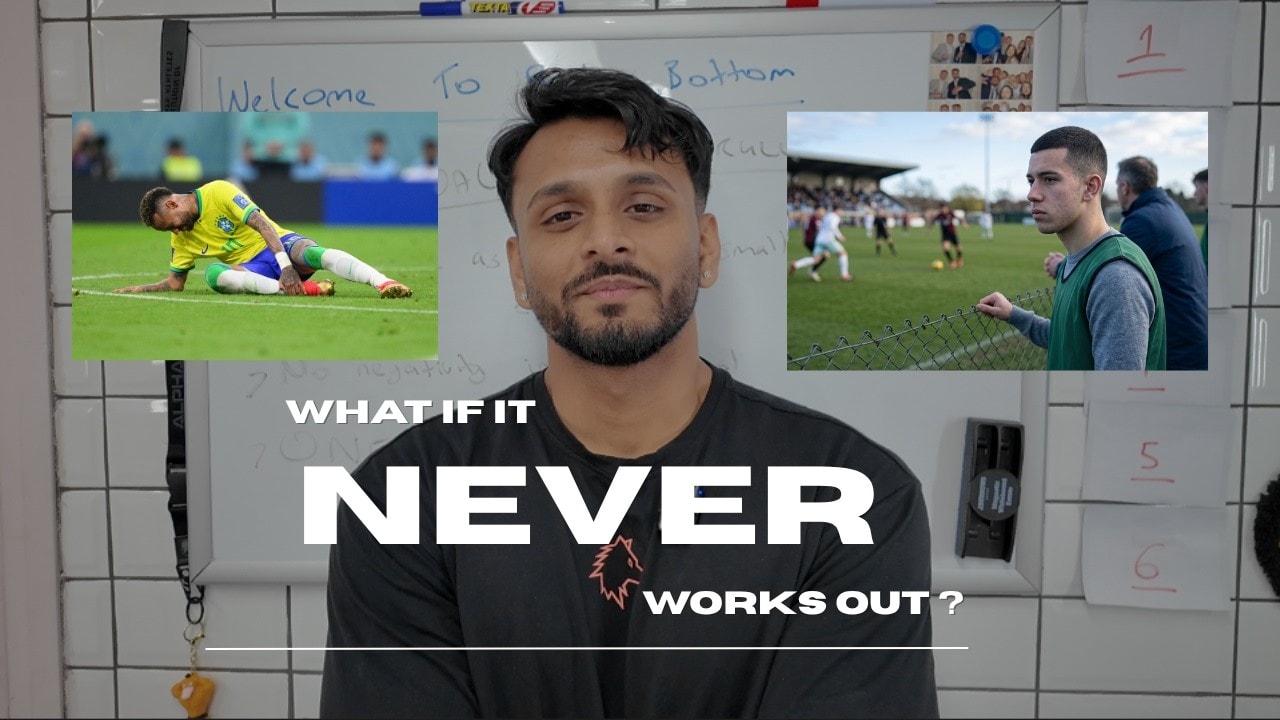
What if you never worked on the knee — or the PTSD?
Steve tore his ACL. He went in for surgery. He had a lot of PTSD. In Stop waiting for things to get better, we asked him what would have happened if he’d never fought it. His list: losing joy. Never walking normally. Never running. Never doing sport. Never walking his dog, Chino. Never being the same again.
What’s holding that life in place isn’t only the graft. It’s pain and fear. Watch the conversation on YouTube.
Flip Steve’s list
Are you okay with not walking, not running, not walking Chino? The polar version: I’m going to get better so I can run again. So I can walk again. So I can walk with Chino. If you don’t walk him, who else is going to? That’s not a slogan — that’s a reason that beats staying on the couch.
Physical ACL rehab without this layer leaves people “cleared” and still trapped. Pair this with our clinical guide: fear of re-injury after ACL or knee surgery.
What to do next
- Write your own “if I never fight it” list — then flip every line.
- Get a structured physical plan: book ACL rehab in Cabramatta.
- Run the mental rebuild in Brick By Brick. If trauma symptoms are heavy, also see a GP or psychologist — physio mindset work complements that care, it doesn’t replace it.
Related reading
Polarity: fear has courage · What happens if you don’t change · ACL return-to-sport testing
Frequently Asked Questions
Is PTSD after ACL surgery a real thing?
Many people describe trauma-like responses after a knee injury and reconstruction: flashbacks of the moment, hypervigilance, avoidance, and a sense they’ll never be the same. That’s not “weakness.” It’s a nervous system that hasn’t been given a new story yet.
What’s the difference between fear of reinjury and PTSD?
Fear of reinjury is common and often improves with graded exposure and proof. PTSD-like responses can be heavier — they may need a GP or psychologist alongside physio. Don’t wait for either to magically fade.
Where is Steve’s story?
In “Stop waiting for things to get better” (https://youtu.be/YKBSM0LKgfU). For the clinical fear-of-reinjury roadmap, see our ACL post.