Hiking With Knee or Back Pain: When the Group Chat Goes Off and You Say No
Video masterclass
Stop Waiting for Things to Get Better
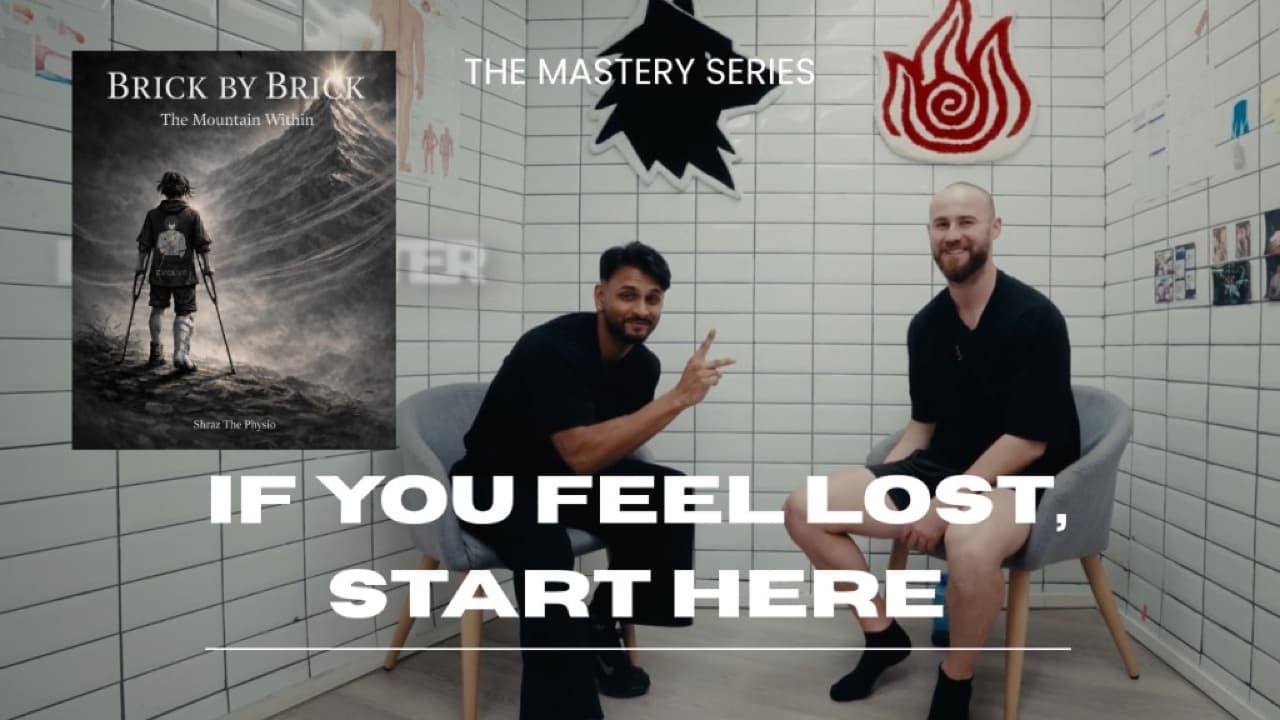
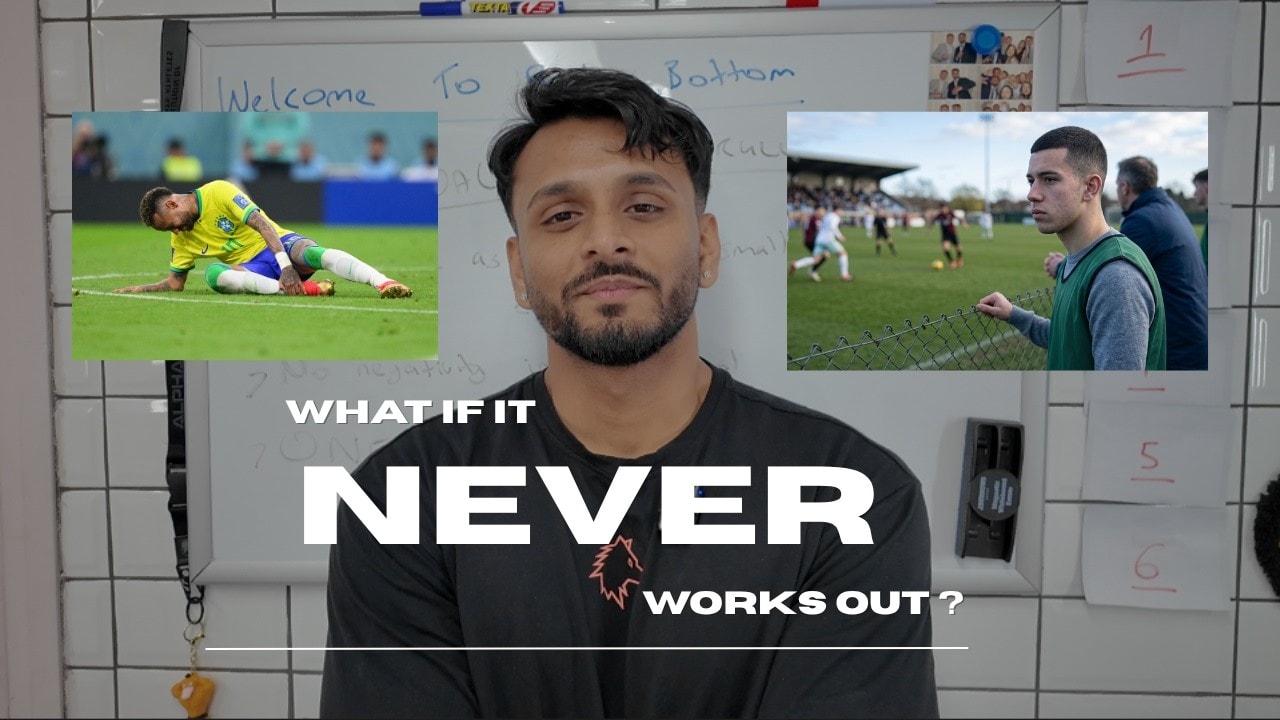
Stop waiting for things to get better. Three steps to overcome pain: create an end goal, face what happens if you don’t, then flip fear into courage now. Watch the full session below — then open the video page for notes, timestamps, and related guides.
The Sunday morning text
Group chat goes off. “Let’s go to the Blue Mountains.” And you’re already writing the reply: I actually can’t. My knee isn’t 100%. If I fall and slip, I’m going to do damage.
That’s not a logistics problem. That’s hesitation. In Stop waiting for things to get better we ask it straight: are you okay to continue that life? Watch on YouTube.
Flip the sentence
If you’re not okay with missing every hike, polarity does the work: I’m going to overcome this back pain, knee pain, fear, doubt, hesitation and anxiety so I can go hiking with my friends. That’s not a caption. That’s the reason you do the unglamorous session this week.
The trail doesn’t require you to feel 100% first. It requires a plan: tissue capacity, balance, graded hills, and a mind that isn’t vetoing the invite on autopilot. Related: what happens if you don’t change.
What to do next
- Write the hike you actually want (where, with whom) as the end goal.
- Book the physical plan — assessment in Cabramatta if you’re in South West Sydney.
- Run the fear/trust layer in Brick By Brick so the group chat doesn’t keep winning.
Related reading
Fear has courage · Play with your kids · Return to running after injury
Frequently Asked Questions
Is it safe to hike with knee or back pain?
It depends on the diagnosis, the terrain, and your current capacity. Blindly saying yes isn’t the goal. Blindly saying no forever isn’t either. A physio assessment tells you what load your tissue can take — then you build toward the trail.
What if I’m scared I’ll slip and do more damage?
That’s hesitation, and it’s common. Name it, then train the capacity and confidence the trail actually asks for — strength, balance, graded exposure — instead of waiting to feel 100%.
Where is the Blue Mountains example from?
Our talk “Stop waiting for things to get better” (https://youtu.be/YKBSM0LKgfU).