Meniscus Tear Game-Day Rules: Traffic Light, Minutes, No Sprint, Tape
Video masterclass
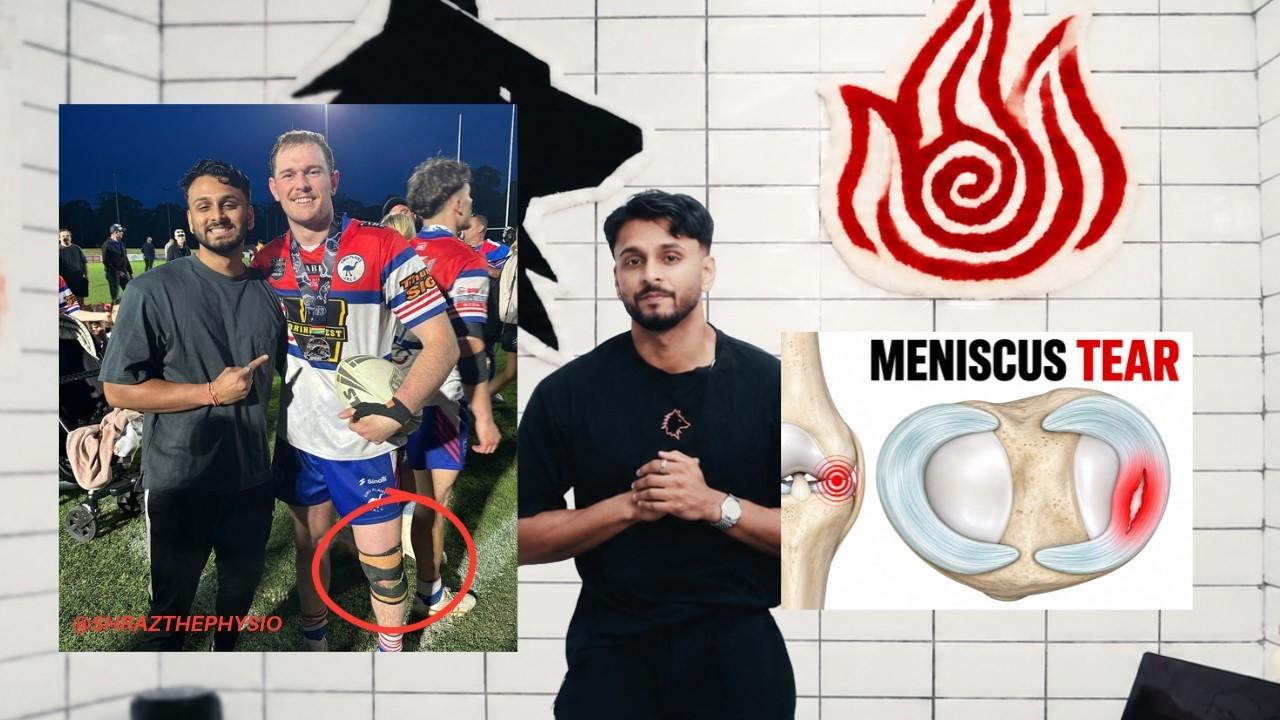
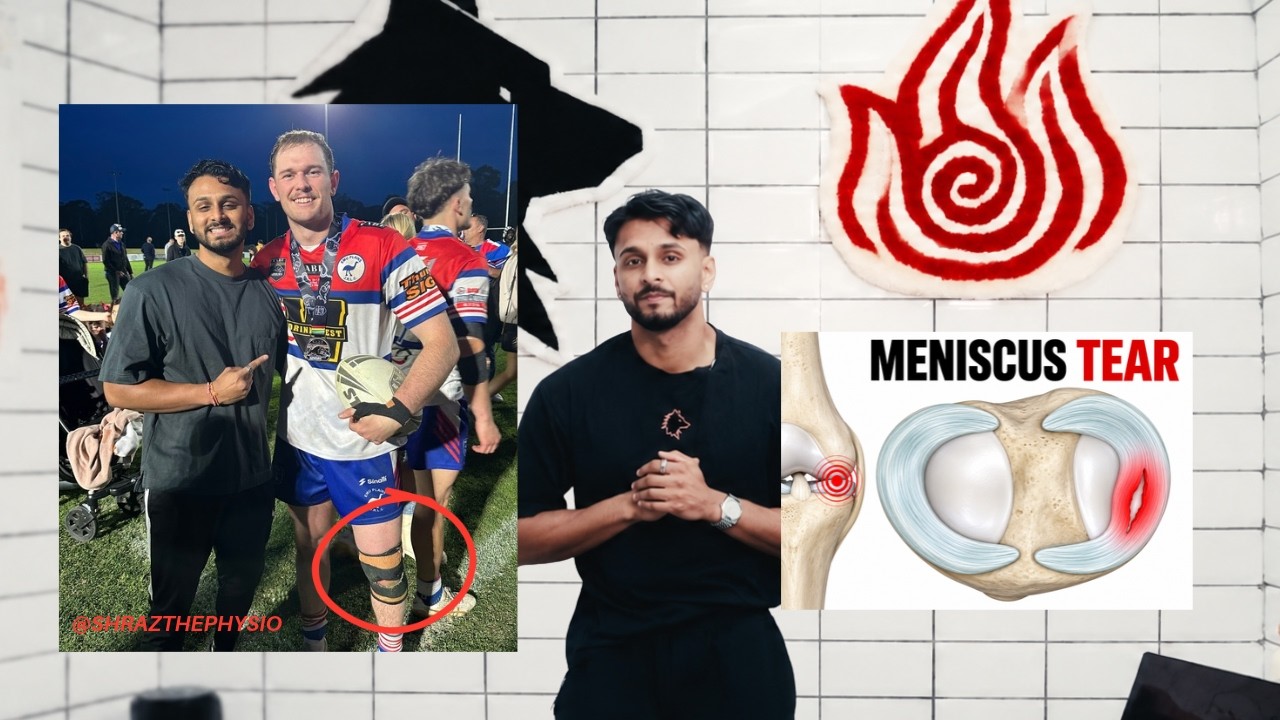
Why I Let Him Play Rugby With a Torn Meniscus
Torn meniscus and the grand final? Three pillars — physical, trust, is it worth it — plus Ian’s MOTM story. Not a self-clearance. Watch + discovery call. Watch the full session below — then open the video page for notes, timestamps, and related guides.
Mastery program
The ACL Comeback Program
A structured 28-day knee rehab program designed for people stuck in the "almost better" phase after ACL or meniscus injury. Rebuild strength, restore confidence, and bridge the gap between feeling okay and being fully back.
A yes without rules is not a yes
Ian passed the three pillars. We still did not send him out to play rugby like the knee was new. In Why I Let Him Play Rugby With a Torn Meniscus the rules are how we drop the risk as low as we can. Watch on YouTube.
Want a structured program, not just an article?
This guide gives you the framework. The ACL Comeback Program ($50) is our 28-day lower-limb strength block for the “almost better” phase — when you can walk and do daily life but need progressive loading before you trust running again. Pair it with the free Knee Pain Mastery Guide for day-to-day exercises.
The three rules
- Traffic light for pain (self-rated). Green 0 — stay on. Amber 1–3, even 4 depending on sport — proceed with caution. Over 4 — stop the movement or slow the run; if it persists, off. Same numbers as the training pain rules, with a referee.
- Restrictions. Minutes: half, quarter, three-quarters — Ian had 20 minutes first half and most of the second. Capacity: he was not to sprint; cautious with cutting and change of direction; linear was green.
- External support. Rigid tape, brace, or both. Support and stability, and the psychological piece. Method we film: meniscus taping.
Follow those and mitigation is high. Risk is low. Risk is not gone.
Online Rehab Academy
Book a free discovery call
Want this protocol mapped to your injury, scan and timeline? Our Online Rehab Academy pairs video-guided rehab with remote coaching from our clinical team — the same standards as in-clinic care, from home.
Copy the idea, not Ian’s exact minutes
Your sport, tear and week will not match a rugby grand final from a couple of years ago. Get another professional’s opinion — local physio, sports physician, doctor. Story ending: two tries, MOTM, then surgery. Hub: three pillars.
Buy The ACL Comeback Program or book a free discovery call
The ACL Comeback Program is our paid 28-day lower-limb strength and confidence block ($50). We use it for ACL and meniscus rehabs — and for athletes stuck in the “almost better” phase after knee sprain, giving-way, or a long layoff from running and court sport. It is built for the whole lower limb, not only post-op ACL.
Purchase The ACL Comeback Program →
Want a plan mapped to your scan, sport and timeline without coming in first? Book a free discovery call for our Online Rehab Academy →
Free progressive home loading: Knee Pain Mastery Guide. In Cabramatta / South West Sydney? Book an in-clinic physio assessment.
Frequently Asked Questions
What are the traffic-light numbers?
Self-rated out of 10. Green: 0, stay on. Amber: 1–3, even 4 depending on the sport — proceed with caution. Over 4: you’re done. Stop the movement or slow the run. If it persists, you’re off the field. Strict, because the job is to push risk down.
Why cap minutes?
Fatigue is when trust and mechanics fall apart. Ian had 20 minutes of the first half and most of the second — not a blank cheque for 80. Quarter, half, three-quarters: pick a cap before kickoff, not when you’re already cooked.
He wasn’t allowed to sprint?
Correct for Ian. Cautious with cutting and change of direction. Linear running was a green light. Your restrictions will not be a photocopy of his. They exist. That’s the point.
Tape or brace?
Some external support — rigid tape, a knee brace, or both. Mechanical support plus the psychological piece: you tend to feel safer with something on it. See our meniscus taping video for the method we use in clinic.
If I follow the three rules is it safe?
Risk becomes much lower. It does not become zero. Returning injured is never risk-free. You still need a professional’s opinion — physio, sports physician, doctor — not a blog’s three bullets.
Where is this in the video?
Ian’s rules from about 13:43 and written up from 15:44.