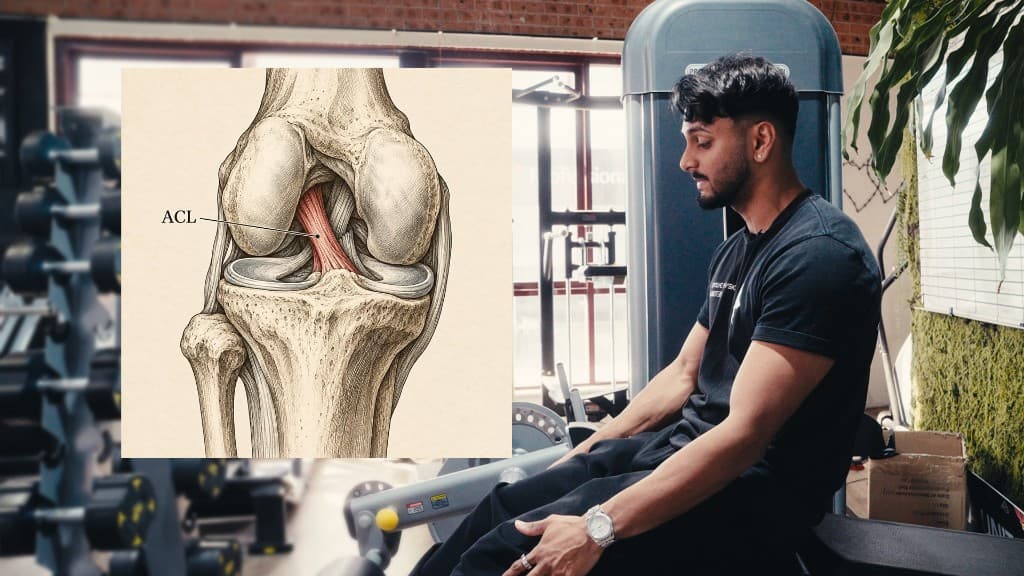
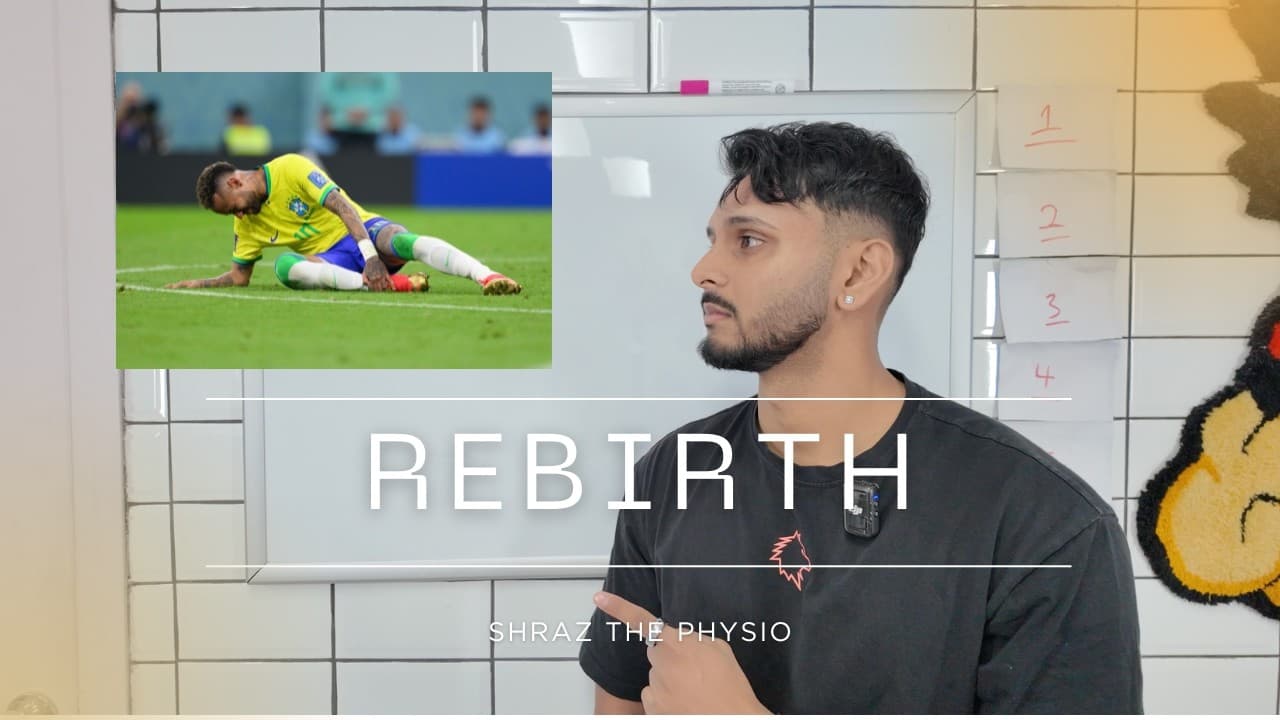
Why I Let Him Play Rugby With a Torn Meniscus
Risk vs reward — three pillars, then Ian’s grand final
Torn meniscus and the grand final? Three pillars — physical, trust, is it worth it — plus Ian’s MOTM story. Not a self-clearance. Watch + discovery call.
If you’re watching this, there’s a good chance you have a torn meniscus and you’re weighing up whether to return to sport early. This video is the risk versus reward — then you decide if it’s a risk you want to take.
Speak to your own physio before you make it. This is not a checklist you can use to clear yourself. Location, size, stability and type of tear can completely change the call. Mechanical locking, repeated giving-way, increased swelling, loss of knee extension or worsening symptoms should stop the conversation and prompt a medical or orthopaedic review.
This talk was inspired by Ian. He tore his meniscus a few weeks before a rugby grand final. He really, really, really wanted to play. I didn’t promise. We had four weeks: get the knee strong, get it stable, see how it felt, decide the week of the game.
Three pillars — each is only 33%
- Physical — rest pain at 0/10, activity pain never above 3–4/10, 24-hour settle window, swelling, stiffness, full movement, strength within ~10% of the other side, stability, plyometrics, running, cutting, contact. Locking, catching or clicking is an automatic disqualification and an orthopaedic review.
- Trust — the mental side. Fear of making it worse. Hesitation with contact, cutting, running, jumping. Consciously protecting the injured knee (and overloading the other one — that’s how people rupture the other ACL three months into a too-early return). Trust under fatigue. How ready you actually feel.
- Spiritual — is the reward worth the risk? How important is that game? Do you know it could become an ACL (meniscus ~3 months; ACL 9–24)? Whose decision is it — yours, or mum, dad, partner, coach, teammates? After knowing how bad it could be, will you accept that risk?
Good pain is DOMS in the muscle, usually both sides. Bad pain is sharp, shooting, in the joint or ligament, deep. Steve asked. That’s the answer.
What happened to Ian
He missed the last round, the quarters and the semis. Four weeks of strength, stability, movement and confidence. Pillar one: he passed the tests. Pillar two: he really wanted it. Pillar three: he knew the risk and it was his decision. We let him play — with rules.
Traffic light for pain (self-rated): green 0 stay on; amber 1–3 or 4 proceed with caution; over 4 you’re done — stop the movement, slow the run, and if it persists you’re off. Minutes were capped (20 minutes first half, most of the second). No sprint. Cautious with cutting and change of direction; linear was a green light. Rigid tape or a brace or both — support plus the psychological piece.
He scored two tries in the last ten minutes on a torn meniscus. The last try gave them the lead. They won. Man of the match. A couple of days later he went in for surgery and we rehabbed everything after.
It does not always end like that. Players play and come out with a worse injury. The job is to identify the risk, reduce what we can, test honestly, and make sure they understand what they are choosing. Sometimes the answer is yes. Sometimes it is not yet. Sometimes the bravest decision is protecting the career ahead instead of sacrificing it for one game.
Returning to sport while injured is never risk-free. If the three pillars aren’t exceptional, I wouldn’t let you play. If there is no risk at all we wouldn’t be having this conversation — you’d just play. There is always calculated risk. Map it with a physio, a sports physician, your doctor — not a YouTube list.
The mental layer while you wait
If you’re fighting pain, hesitation and the feeling that a piece of you got taken: Brick By Brick / Overcome the Mountain Within is the workbooklet we built for that. Last week’s video is the anxiety, breathing drill and exposure ladder. Links below, plus a free Rehab Academy discovery call.
Watch on YouTube
Full episode: https://youtu.be/nHpk6S3mvoQ
#MeniscusTear #ReturnToSport #Rugby #KneeInjury #EvolvePhysio #rehabacademy