Lower Back Pain When Running: Causes, Fixes, and When to Stop
Video masterclass
The Best Running Protocol Nobody Teaches | Ultra Marathon Prep
The full 20-week framework we use to prep runners for marathons and ultras — addressing old injuries, mechanics, tendon health, and durability. Watch the full session below — then open the video page for notes, timestamps, and related guides.
Free program
The Back Pain Mastery Guide
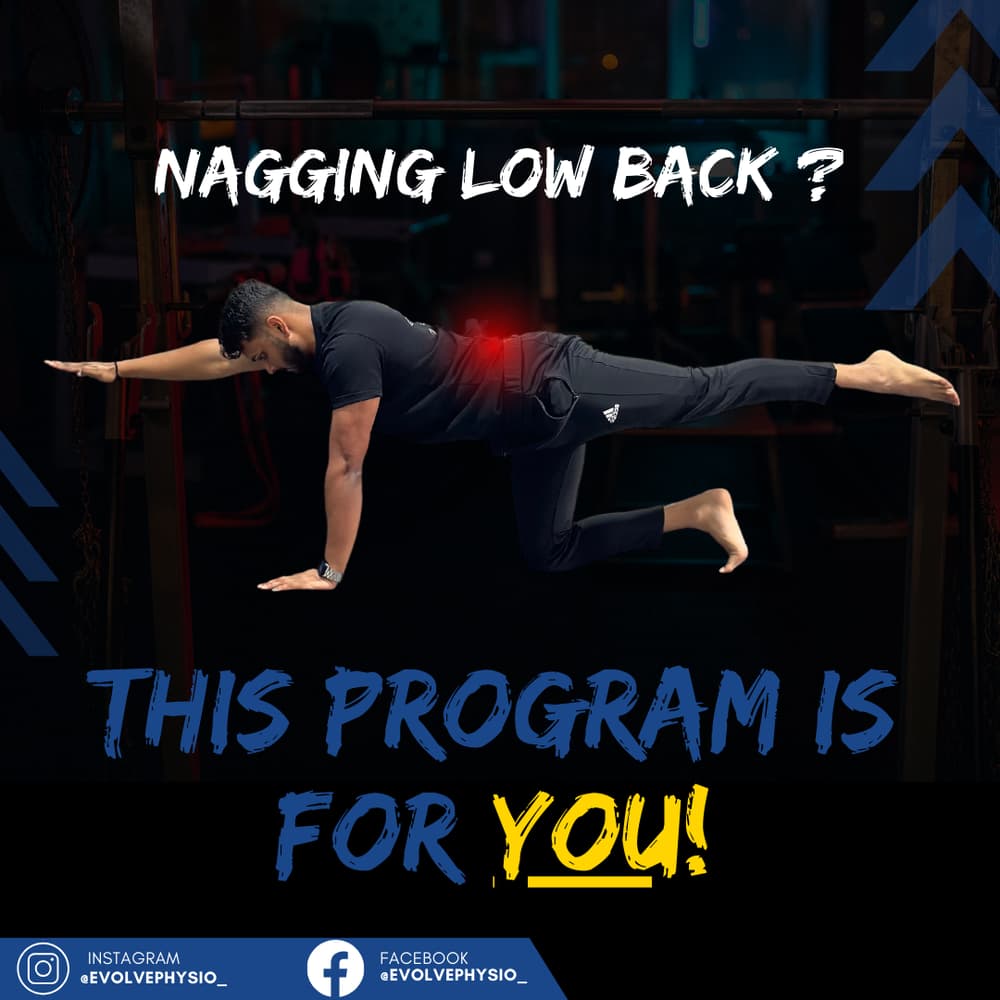
The Low Back Mobility Mastery Guide, created by Evolve Physio & Mastery, is a step-by-step recovery program designed to help you navigate a low back flare-up with clarity and confidence.
Your back isn't the problem — usually
Lower back pain during or after running is one of the most common reasons runners in Cabramatta and Liverpool pull out of training blocks. The instinct is to blame the spine. More often, it's the hips, thoracic spine, and core endurance failing over distance — the lumbar spine compensates until it complains. Fix the chain, and running usually returns.
Common patterns we see
- Extension intolerance: Pain arching back or at end of long runs — tight hip flexors, weak glutes, excessive anterior pelvic tilt.
- Flexion intolerance: Pain bending forward after runs — sometimes disc-related; needs careful assessment.
- Side-specific pain: Often pelvic drop / weak hip abductors on one side.
- Leg pain with back ache: Possible sciatic nerve irritation — different pathway. See sciatica guide.
2-week modification plan
Week 1: Reduce spinal load
- Cut running volume 30–50%; replace one session with pool or bike
- Daily hip flexor and thoracic extension mobility (5–8 min)
- Dead bugs: 3 × 10; side plank: 3 × 20 sec per side
- Avoid heavy gym axial loading (squat/deadlift) until pain settles
Week 2: Rebuild control
- Gradual return to easy running if 24-hour pain is stable
- Add hip abduction strength: clams, band walks, single-leg glute bridge
- Introduce tempo runs only if long easy runs are pain-free
When to stop and get assessed
- Pain radiating below the knee with numbness or tingling
- Progressive leg weakness
- Back pain that wakes you at night and isn't position-related
- Pain worsening every run for 2+ weeks despite modification
Connects to back pain & running clusters
General back pain: lower back pain Cabramatta. Return to running after any layoff: 8-week return framework. Marathon load: marathon injury prevention guide. Free home program: Back Pain Mastery Guide.
Book a running + back assessment
Back pain and running aren't mutually exclusive — but they need a specific plan. Book a physio assessment at Evolve Physio & Mastery. Southwest Sydney runners welcome — Liverpool, Cabramatta, Fairfield, Bankstown.
References: Saragiotto et al. 2016 motor control exercise for CLBP Cochrane review; van Middelkoop et al. 2011 exercise therapy for low back pain; Gabbett 2016 load management principles.
Frequently Asked Questions
Should I stop running if my back hurts?
Not always. Pain that settles within 24 hours and doesn't worsen week-over-week can often be managed with load modification and strength work. Sharp radiating leg pain, numbness, or progressive weakness — stop and get assessed.
Why does my back hurt after long runs?
Common drivers: hip flexor and thoracic stiffness (excessive lumbar extension), weak hip abductors (pelvic drop), core endurance fade over distance, and sudden mileage spikes. It's usually a load and control problem, not a 'bad back'.
Is running bad for disc bulges?
Not inherently. Many people with disc changes on MRI run pain-free. What matters is symptoms, leg neurology, and how your back responds to loading. See our <a href="/blog/sciatica-vs-lower-back-pain-physio">sciatica vs back pain guide</a>.
What exercises help most?
Hip flexor and thoracic mobility, hip abduction strength (side plank, clams, single-leg work), dead bugs and bird-dogs for core endurance, and gradual return to running with walk-run intervals if needed.
When do I need an MRI?
Red flags: leg weakness, saddle anaesthesia, bowel/bladder changes, fever with back pain, or trauma. For uncomplicated mechanical back pain in runners, MRI rarely changes management in the first 6 weeks. See <a href="/blog/mri-for-back-pain-when-you-actually-need-one">when you actually need an MRI</a>.