Golf Swing Speed Without Low Back Pain: Train Power, Stop Dumping It Into Your Spine
Video masterclass
Your Ultimate Golf Mobility Guide | Play Better, Pain-Free
The 3 areas golfers get injured (hips, shoulders, low back) and the exact mobility drills we use to keep your swing pain-free and powerful. Watch the full session below — then open the video page for notes, timestamps, and related guides.
Free program
Golfer's Back Mobility Guide
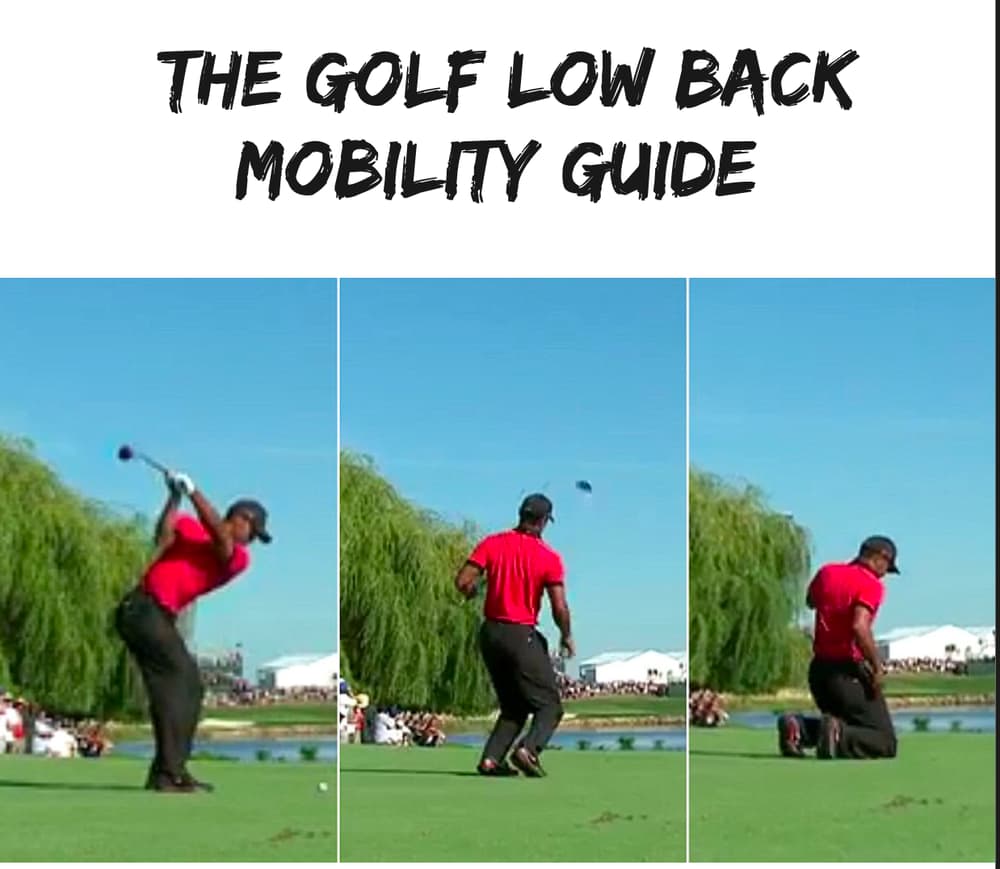
The Golf Low Back Mobility Mastery Guide is a structured mobility and strength program designed specifically for golfers dealing with nagging low back stiffness, post-round soreness, or reduced swing power.
Speed is not a lumbar specialty
Amateur golfers who want more club-head speed often do the logical thing: swing harder. If the hips and thorax cannot produce or accept that force, the lumbar spine becomes the rotary engine. That is a performance problem and an injury problem. We see it in club golfers from the Liverpool, Fairfield and Cabramatta corridor who added a speed program in January and a back they cannot live with by March.
This is the performance sibling of golf, hips and the Monday back — not a repeat of it.
Where speed should come from
- Ground and hips. Force into the ground, rotation through the pelvis, not a yank from the low back.
- Thoracic rotation and extension. A stiff mid-back dumps the request downstairs.
- A core that can brake. Anti-rotation is what lets you go fast and still finish in balance.
- Fresh reps. Speed work is quality. Ten ugly max swings are not ten good ones.
A simple weekly shape (once the flare is gone)
- Two short mobility sessions for hip internal/external rotation and thoracic turn.
- Two strength sessions: hinge, single-leg, chop / lift or press-out anti-rotation.
- One speed session: few swings, full rest, stop when the pattern degrades.
- One walking round that is not also a range punishment day.
If the back nine is where speed dies and the ache starts, that is fatigue and stiffness — read the back-nine post. If the range is the villain, start there.
Red flags
Progressive leg symptoms, night pain that is getting worse, or a back that locks after speed work is not a “push the number” week. Get seen. When you actually need imaging is a separate decision.
Free program + book
Golfer’s Back Mobility Guide (free) is the on-ramp. Flare first? Back Pain Mastery Guide. Want a speed plan that does not pick a fight with your disc? Book a golf performance assessment at Evolve Physio & Mastery, Cabramatta.
Frequently Asked Questions
Will getting stronger actually make me faster?
For most amateur golfers, yes — if the strength is rotational and hip-driven, not just a heavier deadlift with a stiff thorax. Speed is a skill plus a body that can produce and accept force.
Is swing speed work dangerous for a sore back?
Max-speed swings on an irritable lumbar spine are a bad week. Building hip and thoracic capacity, then adding speed in short fresh sets, is how we do it. Pain that rises for days after is too much dose.
Should I buy a speed stick or see a physio first?
If your back already lights up on the range, get the movement and load capacity sorted first. Speed tools on a spine that cannot rotate through the hips just groove a faster painful pattern.
How is this different from the hip-rotation post?
That piece is about why the weekend round shows up on Monday. This one is about adding speed on purpose — performance — without the lumbar spine becoming the rotary engine.
Can I still play while I train this?
Usually. We cut the giant range buckets (see our driving-range post) and keep walking rounds while we build the gym and mobility work.
What should I download?
The free Golfer’s Back Mobility Guide. Pair the Back Pain Mastery Guide if you are mid-flare and not ready for speed work yet.