Falls Prevention for Over-65s: A Physio's Home-Based Plan for Older Adults, Carers and NDIS Participants
The single biggest preventable health issue in older adults
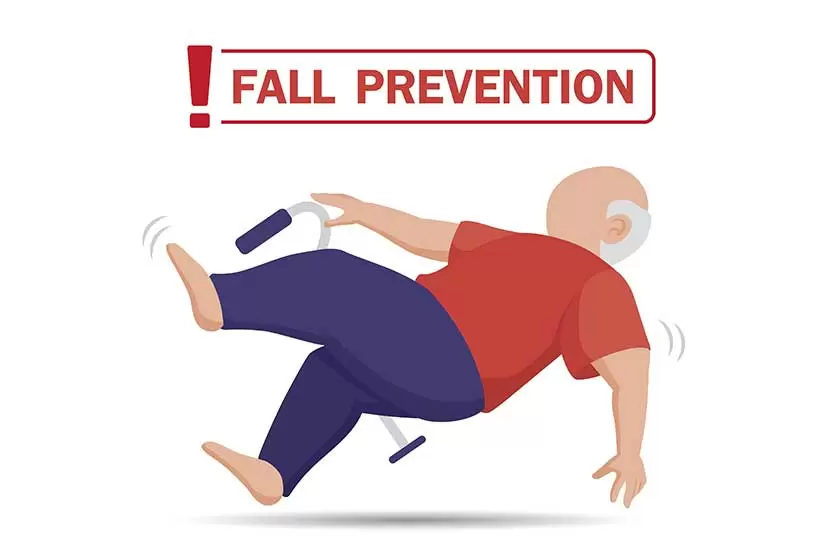
One in three Australians over 65, and one in two over 80, fall at least once per year. Most falls don't cause serious injury — but the ones that do are devastating. Hip fractures from falls carry a 12-month mortality of around 20%. The fear of falling after a single trip can shrink someone's world to one room of their house within months. And yet — most falls are preventable with the right exercise program. The evidence base is strong, the interventions are well-established, and the funding pathways exist. Whether you're an older adult yourself, a carer for an ageing parent, or an NDIS participant, this is one of the highest-impact things physiotherapy can deliver.
What actually causes falls
Falls are almost never a single cause. They're typically a stack of risk factors that hit critical mass:
- Reduced lower-limb strength — particularly hip extensors, quadriceps, and calves.
- Impaired balance — both static (standing still) and dynamic (walking, turning).
- Vision changes — cataracts, macular changes, multifocal lens difficulties.
- Medications — particularly multiple medications, anticholinergics, sedatives, antihypertensives.
- Cognitive factors — dual-tasking ability (walking while talking), processing speed.
- Home environment — loose rugs, poor lighting, no handrails on stairs, low toilet seats.
- Fear of falling — which leads to reduced activity, which leads to deconditioning, which increases falls risk further.
- Vestibular issues — BPPV is hugely underdiagnosed in older adults and a treatable cause of falls.
- Foot health — neuropathy, ill-fitting shoes, painful feet.
The good news: most of these are modifiable. The best programs address several factors at once.
The evidence-based programs
Otago Exercise Programme (OEP)
The most thoroughly studied home-based falls prevention program. Originally developed in New Zealand, with 17 strength and balance exercises plus a walking plan. Delivered by physios initially, then transitioned to independent home exercise with periodic review. Meta-analyses show 35% reduction in falls when adhered to over 12 months. We use Otago as our backbone for most home-based clients.
FaME (Falls Management Exercise Programme)
A group-based program combining strength, balance and functional training. Strong evidence for falls reduction in community-dwelling older adults. Suited to those who can attend group classes.
LiFE (Lifestyle integrated Functional Exercise)
Integrates balance and strength challenges into daily activities (e.g., calf raises while waiting for the kettle, single-leg stand while brushing teeth). Excellent for older adults who don't see themselves as 'exercisers' but will incorporate small things across the day.
Tai Chi
Strong evidence for balance improvements and falls reduction, particularly in community-dwelling older adults. Modified Tai Chi programs (Sun-style, simplified forms) work well.
The core exercises that go in almost every program
Regardless of program brand, these are the staples:
- Sit-to-stands — quadriceps and functional strength. From a kitchen chair, 3 sets of 10–15, progressing to lower seats and no arm use.
- Calf raises — single leg if possible, 3 sets of 10, holding a bench for balance as needed.
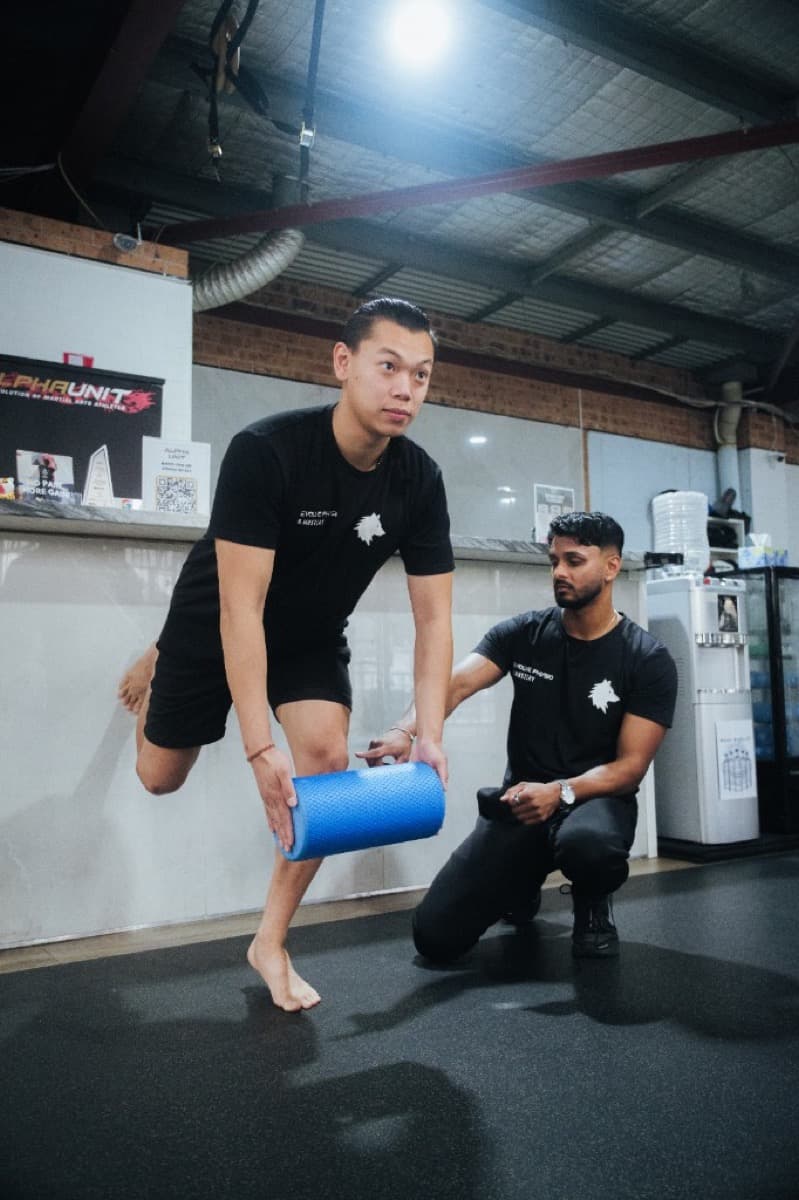
- Single-leg stand — progressing from 10 seconds with light support to 60+ seconds unsupported, then with eyes closed.
- Heel-to-toe walking (tandem walk) — 10 steps, holding a wall as needed.
- Side stepping — 10 steps each way, progressing to crossover steps and faster pace.
- Step-ups — onto a step, single leg if possible, building endurance.
- Standing hip extensions and abductions — gluteal strength.
- Walking program — 30 minutes 5 days/week is the target; less is fine as a starting point.
Dosage: 2–3 sessions per week, 30–45 minutes each. Progression every 2–4 weeks.
Why walking alone isn't enough
Many older adults walk for an hour a day and assume that's their exercise. Walking is excellent for cardiovascular health, mood, sleep and overall wellbeing. But on its own, walking does not reduce falls risk and does not build the strength needed to recover from a stumble. The strength and balance work has to happen alongside walking, not as a substitute.
The home environment review
Most falls happen at home. A simple environmental check often identifies several easy wins:
- Remove or secure loose rugs and mats.
- Ensure good lighting in hallways and stairs, with night lights.
- Install handrails on both sides of stairs.
- Add grab rails in bathrooms.
- Raise toilet seat height if standing is difficult.
- Wear well-fitting, low-heeled shoes with non-slip soles — at home too, not just outside.
- Avoid wearing socks-only on hard floors.
- Clear cluttered pathways and electrical cords.
- Keep frequently used items at waist-to-shoulder height to avoid reaching or bending.
The medication and vision conversation
- Medication review with the GP every 6–12 months. Multiple medications increase falls risk significantly. Sometimes a medication originally started for an acute issue is no longer needed.
- Vision check annually. Multifocal lenses can increase falls risk on stairs (consider single-vision glasses for outdoor walking).
- Hearing — under-recognised contributor to balance through spatial awareness.
- Vitamin D — adequacy supports muscle and bone health. GP-supervised supplementation if deficient.
- BPPV screening — if there's any history of dizziness or a fall associated with head movement, see our vertigo and BPPV piece.
NDIS and Home Care Package pathways
For NDIS participants, falls prevention sits squarely within physiotherapy and exercise physiology funding. A reasonable and necessary plan can include weekly or fortnightly visits, home programs, and equipment recommendations. See our NDIS physiotherapy guide for the funding overview.
For older adults on Home Care Packages (Levels 1–4), physio is one of the most cost-effective uses of the package — significantly cheaper than the cost of a fall.
The fear-of-falling spiral
Often more disabling than the falls themselves. Someone falls once, becomes anxious about falling again, reduces activity, loses strength and balance, becomes more vulnerable to falls, the next fall is more severe, and the spiral accelerates. Addressing fear of falling is part of the program — through education, graded exposure to challenging tasks in safe settings, and building confidence through successful experiences.
What to expect in your first session
- ~50–60 minutes, ideally in the home if possible (we offer home visits for falls-risk older adults).
- Detailed history including any prior falls or near-falls.
- Strength testing (sit-to-stand, leg press).
- Balance testing (single-leg stand, timed up-and-go, Berg Balance Scale).
- Walking assessment.
- Home environment review (if home visit).
- Personalised exercise program demonstration.
- Education for client and carer/family.
- Coordination with GP if helpful.
For carers
If you're caring for an ageing parent or partner, encouraging the right exercise can be hard — older adults often resist 'exercise' as a concept. Frame it as practical: 'help around the house', 'walking confidently', 'getting in and out of the car without help'. Programs work when they're tied to meaningful tasks the person values.
Related reading
For osteoporosis and bone health, see our osteoporosis and bone health piece. For the vestibular contribution, see vertigo and BPPV. For NDIS funding pathways, NDIS physiotherapy.
Book a falls prevention assessment
If you or a loved one has had a fall, near-fall, or you're worried about falls risk — we'd love to help. Home visits available across the Cabramatta, Liverpool, Fairfield, Canley Heights and Bankstown areas. Book at Evolve Physio & Mastery, Cabramatta.
References: Sherrington et al. 2019 'Exercise for preventing falls in older people living in the community' (Cochrane Database Syst Rev); Campbell et al. Otago Exercise Programme original trial (BMJ 1997); Skelton et al. FaME programme evidence base.
Frequently Asked Questions
How often should mum/dad train to actually reduce falls risk?
Evidence-based programs (Otago, FaME, LiFE) require 2–3 sessions per week of 30–45 minutes including specific balance challenges and progressive strength work. Walking alone isn't enough — it's good for cardiovascular health but doesn't reduce falls risk on its own.
Can my parent do this at home?
Yes — the most evidence-based programs (Otago Exercise Programme, LiFE) are home-based. We assess, set the program, demonstrate, and review every 2–4 weeks initially. Many older adults prefer home programs to gym-based ones, and adherence is often higher.
Is it covered by Medicare, NDIS or Home Care Packages?
Yes — multiple funding pathways. Medicare's Chronic Disease Management Plan covers up to 5 allied health visits per year. Home Care Packages (Levels 1–4) can fund regular physio. NDIS plans for participants with falls risk can include physiotherapy and exercise physiology. CHSP can also fund some visits.
What if they've already fallen?
Any fall in someone over 65 is a strong signal for assessment. The first fall is the strongest predictor of the next one. We assess strength, balance, vision, medications, home environment, and fear of falling. Post-fall programs work well and significantly reduce the chance of recurrence.
Should they use a walking frame or walking stick?
Depends on the situation. The right aid used correctly reduces fall risk. The wrong aid or one used poorly can increase risk. We assess and recommend on an individual basis — sometimes the answer is yes, sometimes the answer is structured strength and balance work to reduce the need for the aid.
Can a 75-year-old really get stronger?
Absolutely. Multiple studies show people in their 80s and 90s can build significant strength with appropriate resistance training. The principle of progressive overload still applies — the program is just adjusted for starting capacity. Strength gains of 20–40% in 12 weeks are common.