Basketball Injuries: Jumper's Knee, Ankle Sprains and the Two Things Every Junior Hooper Should Be Doing
Basketball in Southwest Sydney
From Saturday morning junior comps at Whitlam Centre and Liverpool Catholic Club through to representative pathways feeding the NBL1 East and NBL talent pipeline, basketball is one of the largest organised youth sports across Cabramatta, Liverpool, Fairfield and Bankstown. With high jumping volume, frequent cutting and stop-starts on hard surfaces, two injuries dominate the physio clinic: patellar tendinopathy (jumper's knee) and lateral ankle sprains. Almost every other basketball injury we see — back pain, achilles trouble, hip flexor strains — sits in the same root cause: load that outstripped the athlete's preparation.
Jumper's knee, decoded
Patellar tendinopathy is overload at the proximal patellar tendon, just below the kneecap. The classic story: pain at the lower pole of the kneecap, worse with jumping and after sitting for long periods (the so-called 'theatre sign'), warming up during games but flaring afterwards. Risk is highest in players doing 4+ sessions per week with high jumping volume, particularly during growth spurts in 13–16 year olds.
The clinical picture matters because the treatment is the opposite of intuition. People assume 'rest will fix it.' For tendons, prolonged rest reduces capacity and pain returns the moment you play again. Progressive loading is the treatment, with three layers:
- Isometric loading — heavy holds (Spanish squats, leg extension holds), often as early in-clinic management when the tendon is irritable.
- Heavy slow resistance — Bulgarian split squats, leg press, decline squats, 3–4 sets, slow tempo, 2–3x/week.
- Energy storage (plyometrics) — once strength is rebuilt, progressive jumping and landing work that mimics court demands.
Most cases respond in 8–16 weeks of consistent loading. Players who stop because pain isn't gone in two weeks usually drift into chronic tendinopathy that takes a year to undo.
The 'in-season' jumper's knee plan
If a player can't take a season off (and most can't), the plan is:
- Heavy slow strength work 2x/week — non-negotiable.
- Reduce non-game jumping by 30–50% — fewer jumping drills in skill sessions.
- Monitor pain: 0–3/10 during loading is acceptable, settling within 24 hours.
- Skip non-essential tournaments and rep games during a flare.
- Patellar tendon strap during games for symptom relief — adjunct, not solution.
Lateral ankle sprains — the recurrence trap
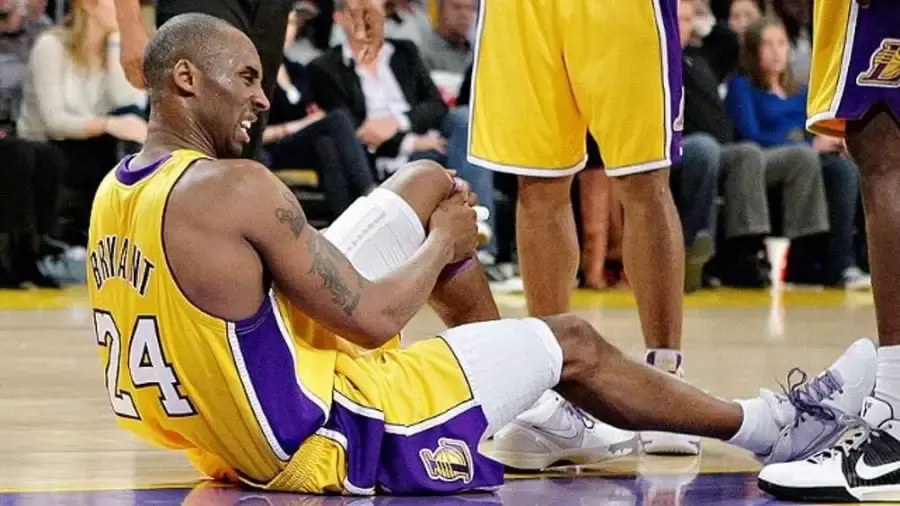
The single biggest predictor of an ankle sprain is a previous ankle sprain. Once is bad luck; three times is undertreated. Acute management has moved on from RICE-and-rest:
- First 72 hours: Protect, Elevate, Compress, Avoid anti-inflammatories early. Walk as soon as pain allows.
- Days 3–10: Early loading. Calf raises, balance work on stable then unstable surfaces. Cycling and pool work to maintain fitness.
- Weeks 2–4: Progressive hopping, plyometrics, lateral movement.
- Return to play: Pass single-leg hop tests for distance, lateral hops, and figure-8 cutting at full pace without limp or pain.
The Ottawa Ankle Rules — when to image
Use these to decide on X-ray after an acute sprain. Get imaging if any are true:
- Unable to weight-bear for four steps immediately after injury AND at assessment.
- Bone tenderness over the posterior 6cm or tip of the lateral malleolus.
- Bone tenderness over the posterior 6cm or tip of the medial malleolus.
- Bone tenderness over the navicular.
- Bone tenderness over the base of the 5th metatarsal.
Most sprains don't fit these and don't need imaging. Players with high-risk mechanisms (heard a 'pop,' significant instability, persistent inability to weight-bear) should be assessed promptly.
The two things every junior hooper should be doing
Across hundreds of basketball assessments, two prep elements separate the players who get injured and re-injured from the players who don't:
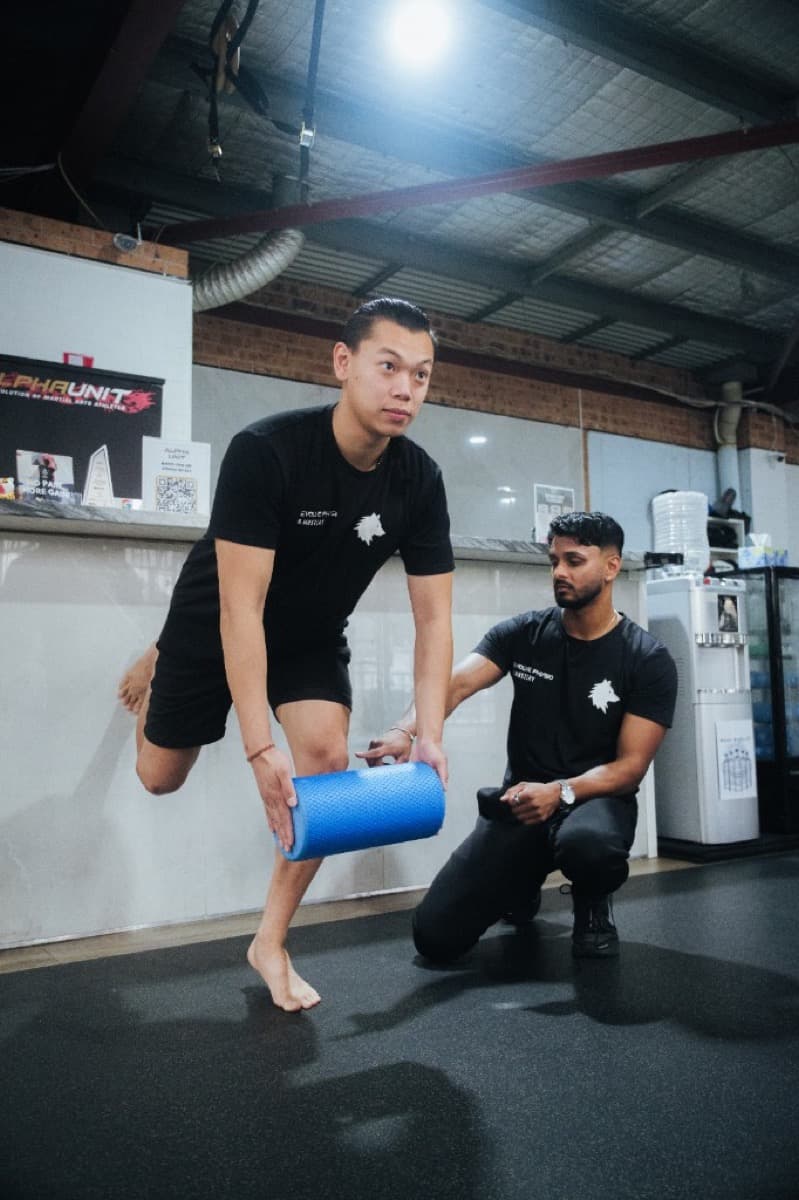
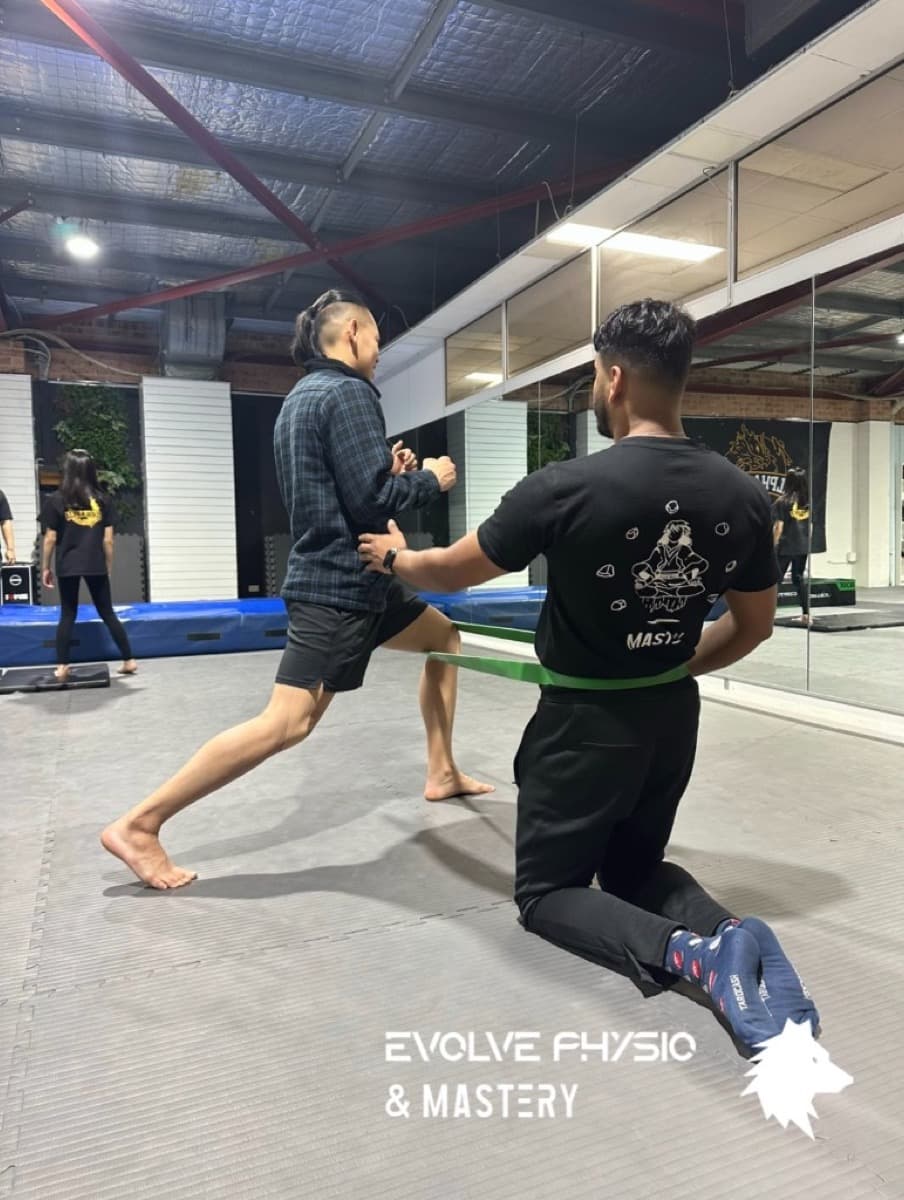
- Single-leg strength work, 2x/week, year-round. Bulgarian split squats, single-leg Romanian deadlifts, calf raises, step-ups. The court loads the body asymmetrically; bilateral squats alone don't prepare for that.
- Balance and cutting drills, 10 minutes per training session. Single-leg stand with eyes closed, lateral hops, figure-8 cuts, deceleration drills. The nervous system has to be trained to land and cut safely — strength alone isn't enough.
Both can be built into team training. Both work for U12 through to senior players. Neither requires gym equipment.
Growing players: an extra layer
Junior players going through growth spurts (typically 11–14 in girls, 12–15 in boys) are vulnerable to Osgood-Schlatter (pain at the tibial tuberosity, below the kneecap) and Sever's disease (heel pain). Both are 'growth-plate overload' conditions, not injuries in the classical sense, but they need load management. See our Sever's and Osgood-Schlatter guide.
The under-rated injuries: back, hip flexor, finger
- Lumbar stress reactions — young players with high training volume can develop pars stress injuries, especially with rotational shooting forms. Persistent one-sided back pain in a growing athlete warrants imaging.
- Hip flexor strains — often from explosive starts and changes of direction. Respond well to progressive hip flexor strength (Copenhagen planks, hanging leg raises).
- Finger injuries — jammed fingers, volar plate sprains and PIP joint dislocations are common. Most respond to buddy taping and early movement; the badly-deformed ones need urgent assessment.
Related reading
For ankle sprain prevention overlap, see our rugby league ankle sprains post — same ligaments, similar rehab. For tendon rehab principles across the body, see 5 common tendon injuries.
Book a basketball physio session
Whether you're a junior managing growth, a club player rehabbing an ankle, or a rep player working through patellar tendinopathy — get the load and the strength right and you stay on the court. Book at Evolve Physio & Mastery, Cabramatta. We work with players, parents and coaches across Liverpool, Fairfield, Bankstown, Canley Heights, Bonnyrigg and Southwest Sydney.
References: Rio et al. 2015 'Isometric exercise induces analgesia and reduces inhibition in patellar tendinopathy' (Br J Sports Med); Bachmann et al. 2003 Ottawa Ankle Rules systematic review (BMJ); Doherty et al. 2017 functional rehab vs immobilisation for ankle sprain meta-analysis.
Frequently Asked Questions
Can I keep playing with jumper's knee?
Often yes, but the load needs structured management. Pain during play that settles within 24 hours and doesn't get worse week-on-week is workable with the right loading program. Pain that escalates session-to-session, that's sharp at takeoff, or that produces a swollen and reactive tendon needs a period of modified play.
Should I tape my ankles every game?
If you've had three or more ankle sprains, taping or a lace-up brace during games and high-intensity training reduces re-sprain risk significantly. Long-term, structured balance and strength rehab matters more than tape — but tape is a useful insurance during return to play.
How do I know if my ankle sprain is actually a fracture?
The Ottawa Ankle Rules guide imaging decisions: inability to weight-bear for four steps immediately and at assessment, bone tenderness over the posterior edge or tip of the lateral or medial malleolus, or tenderness over the navicular or base of the 5th metatarsal. Any of these — get an X-ray.
Do high-top basketball shoes prevent ankle sprains?
Evidence is mixed. They provide a small proprioceptive cue and some lateral structure, but they don't replace strength and balance training. They may delay or reduce sprain severity in some players but won't prevent them outright.
How long off after a Grade II ankle sprain?
Typically 3–6 weeks to return to full basketball, with early controlled loading. Return-to-play decisions should be based on single-leg hop symmetry, lateral cutting tests, and confidence — not just on calendar time.
What's the biggest injury risk for a 14-year-old who plays rep basketball?
Growth-related conditions (Osgood-Schlatter, Sever's), patellar tendinopathy from high jumping volume, and ankle sprains from cutting on uneven gym floors. Sleep, total training load and strength work matter more at this age than skill-only sessions.