Cricket Fast Bowling and Lower Back Stress Fractures: A Junior Bowler's Guide for Parents and Coaches
The most under-managed injury in junior cricket
If you're a parent of a fast bowler — or coach a junior side at Cabramatta-Canley Heights, Fairfield-Liverpool, Wetherill Park or any of the Southwest Sydney junior competitions — this article will save you a season of trouble. Lumbar stress fractures (most commonly a 'pars defect' or spondylolysis) are one of the most common serious injuries in adolescent fast bowlers. They are also one of the most missed early — a couple of weeks of unilateral lower back pain in a young bowler gets explained away as 'growing pains' or 'a tight back,' the season continues, and the stress reaction becomes a complete fracture that takes 12+ weeks to settle. Catching it early changes the outcome dramatically.
What is a pars defect?
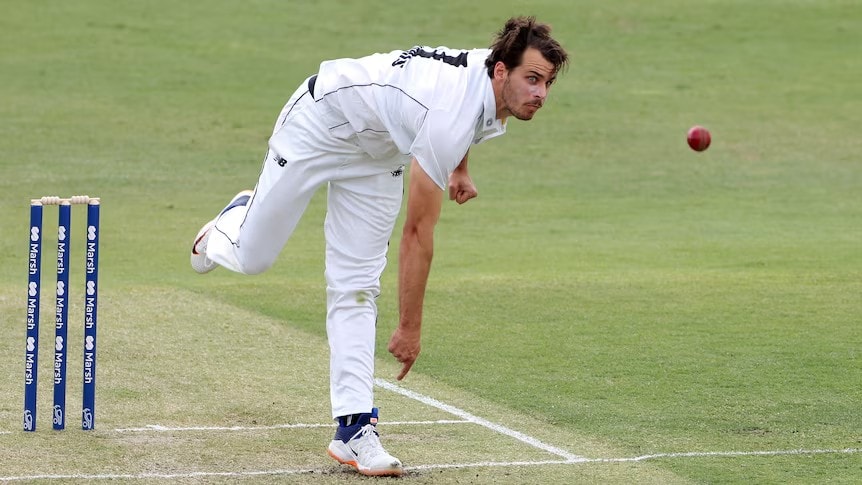
The pars interarticularis is a thin bridge of bone in each vertebra that links the upper and lower articular processes. In repeated extension-rotation (the exact bowling action position: arched back, rotated trunk), the pars takes high cyclical load. In growing bone — which is metabolically active and remodelling — repeated load can outstrip the bone's ability to repair, producing first a stress reaction (bone edema on MRI), then a stress fracture, and eventually a complete pars defect.
It almost always occurs on the side opposite the bowling arm. A right-arm fast bowler develops pain in the left side of the lumbar spine. This single feature alone — unilateral back pain on the non-bowling side — is one of the strongest clinical clues.
Who's at risk?
- Adolescent fast bowlers aged 12–18 — peak bone-growth period overlapping with high cricket loads.
- Mixed-action bowlers (upper and lower body rotating out of sync).
- Bowlers exceeding workload guidelines, especially across multiple teams (school, club, rep).
- Tall, lean adolescents with rapid recent growth.
- Bowlers with reduced thoracic rotation, tight hip flexors, or poor lumbar control — all of which shift more load through the lumbar spine.
- Recent significant jump in training volume (pre-season camp, rep selection).
The classic clinical picture
- One-sided lower back pain, usually on the non-bowling side.
- Worse with bowling, worse with back extension (arching), worse with rotation toward the affected side.
- Often present in the morning, on rising, or after sitting in class for long periods.
- Doesn't fully settle with a week off.
- No leg pain in most cases.
- Tenderness on palpation over the pars area on the affected side.
- Positive single-leg lumbar extension test (the 'stork test') reproducing pain.
Why imaging matters — and why X-ray isn't enough
Plain X-ray misses early stress reactions and many established pars defects, particularly oblique views in young athletes. CT is more sensitive for established fractures but uses radiation and misses early bone edema. MRI with STIR or T2 fat-suppressed sequences is the imaging of choice — it picks up bone edema before a fracture line is visible, which is when intervention is most effective.
The clinical pathway: any young fast bowler with the pattern above gets early physio assessment. If the picture is suggestive, MRI is arranged through a sports physician or GP. Early imaging changes outcomes.
Management — by stage
Stage 1: Stress reaction (bone edema, no fracture line)
- Cessation of all bowling — typically 6–8 weeks.
- Modified activity — batting, fielding, fitness work can usually continue depending on symptoms.
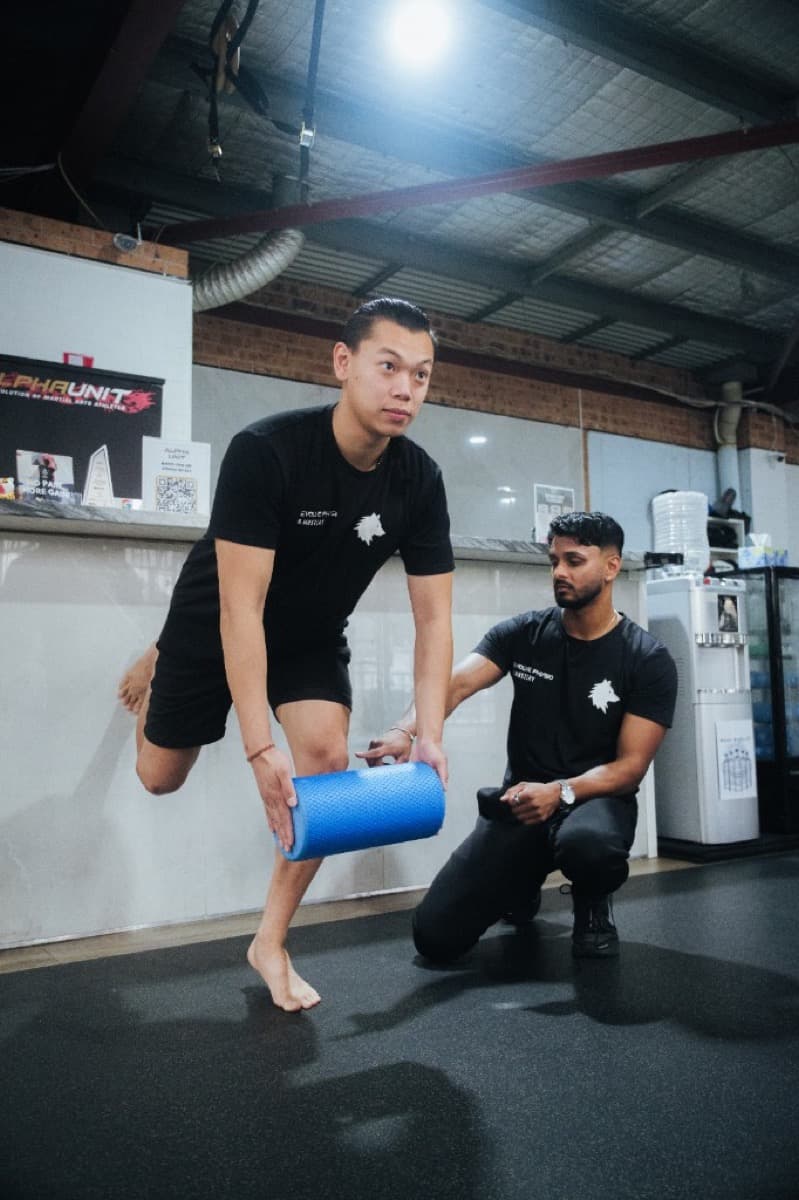
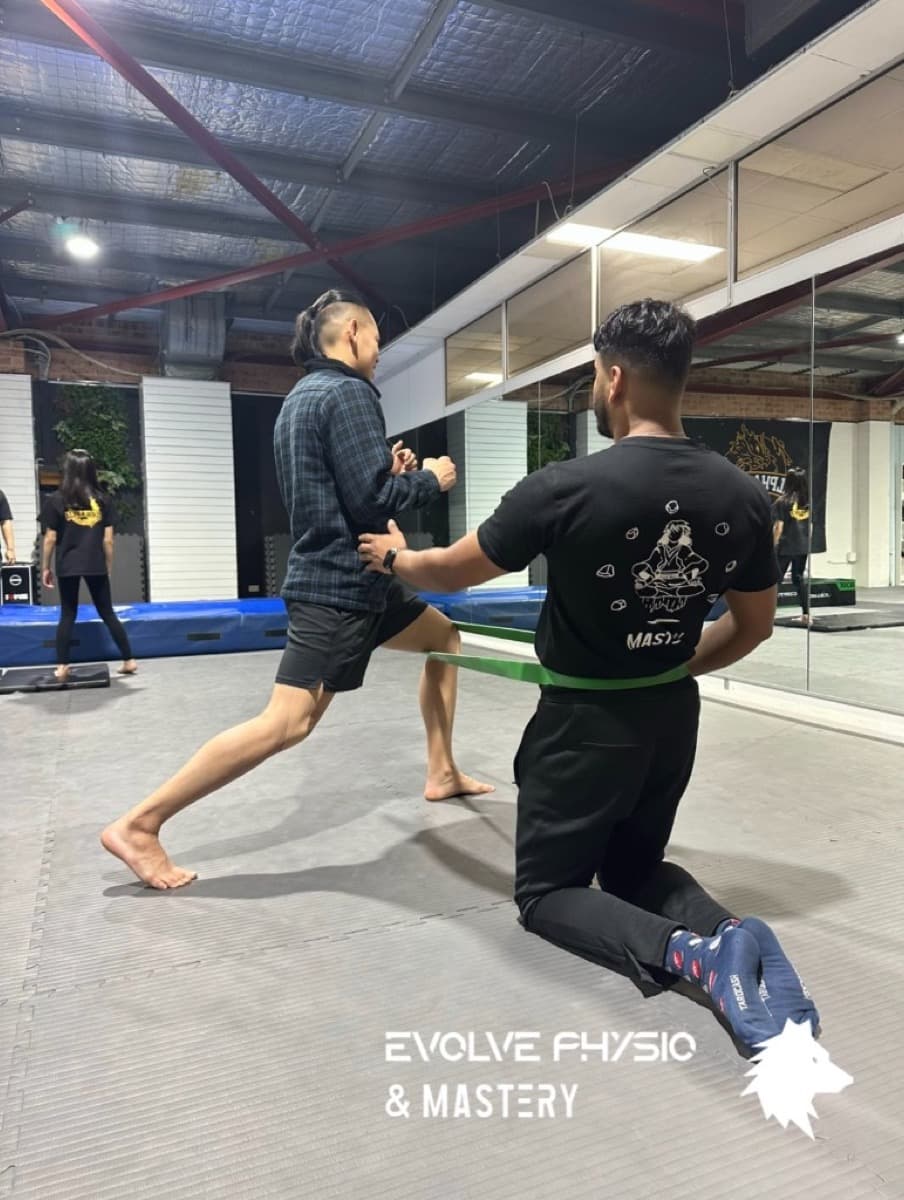
- Progressive rehabilitation focused on lumbar motor control, hip flexor and gluteal strength, thoracic rotation.
- Return to bowling is a progressive 8–10 week load program.
Stage 2: Established stress fracture (visible fracture line)
- Cessation of bowling 8–12 weeks, sometimes longer.
- Bracing in selected cases (sports physician decision).
- Same rehab focus as Stage 1 but slower progression.
- Return to bowling over 10–16 weeks.
Stage 3: Complete pars defect or spondylolisthesis
- Specialist input. Most still manage non-surgically but management is individualised.
- Long-term load management even after return to bowling.
The return-to-bowling progression
Once cleared, return to bowling is structured and gradual:
- Weeks 1–2: shadow bowling and target throws, no run-up.
- Weeks 3–4: short approach (4–5 steps), 50% intensity, 2–4 overs per session, 2 sessions/week with a rest day between.
- Weeks 5–6: full approach, 70% intensity, progressive overs per session.
- Weeks 7–8: full pace in nets, building to match-eligible loads.
- Weeks 9+: return to match bowling within workload guidelines.
Pain monitoring throughout — any reactive pain that doesn't settle in 24 hours triggers a pause and reassessment.
What every junior bowler should be doing year-round
Whether they've had an injury or not, every adolescent fast bowler should have a structured strength and conditioning program. Non-negotiables:
- Hip flexor and gluteal strength — Copenhagen planks, single-leg bridges, hip thrusts. The bowling action demands hip drive.
- Thoracic rotation mobility — open books, thread-the-needle, banded rotations. Reduces lumbar spine load.
- Lumbar control and anti-rotation — Pallof presses, dead bugs, side planks.
- Posterior chain strength — Romanian deadlifts, single-leg deadlifts (age-appropriate load).
- Workload tracking — total weekly bowling load across school, club and rep cricket.
For coaches and parents
- Track total weekly bowling load across all teams. The single biggest cause of stress fractures is duplicated workload across school and club.
- Respect Cricket Australia's age-based bowling guidelines as maximums, not targets.
- If a young bowler is complaining of one-sided back pain, take it seriously on day one, not in week six.
- Build in rest days — at least one full day per week with no cricket.
- During growth spurts, expect higher injury risk and reduce volume accordingly.
- A pre-season screening assessment is one of the highest-leverage interventions for any rep junior bowler.
Related reading
For general lower back content, see our lower back pain physio guide. For running-related bone stress (similar physiology), see our stress fractures in runners piece. For the broader return-to-sport framework, see our ACL return-to-sport post — same principles, different anatomy.
Book a cricket physio assessment
If your child is a junior fast bowler with persistent back pain, or you'd like a pre-season screening before another full cricket season, we'd love to help. Book at Evolve Physio & Mastery, Cabramatta. We see junior and senior cricketers from across Liverpool, Fairfield, Canley Heights, Smithfield, Wetherill Park and the Southwest Sydney cricket associations.
References: Hides et al. 2008 lumbar multifidus and fast bowling (Spine); Engstrom & Walker 2007 epidemiology of pars defects in elite fast bowlers (Med Sci Sports Exerc); Cricket Australia Fast Bowling Guidelines; Patel et al. 2024 lumbar stress injuries in adolescent athletes management review.
Frequently Asked Questions
How long is a young fast bowler off after a confirmed stress fracture?
Typically 8–12 weeks of no bowling, sometimes longer, depending on the stage of the injury on MRI (early stress reaction vs. complete fracture) and the bowler's growth phase. Return to bowling is a progressive load program over a further 8–12 weeks, not a Saturday morning 'see how you go.'
Does the bowler need an MRI?
For any young fast bowler with persistent unilateral lower back pain — particularly with extension and rotation — MRI is the imaging of choice. X-ray and CT miss early stress reactions. Bone-edema-sensitive MRI sequences pick up early injury when intervention is most effective.
Can a fast bowler return at full pace?
Yes — most well-managed young bowlers return to full pace and many go on to play senior and representative cricket. The risk is in poorly managed cases: bowling through pain, returning too early, or returning with the same workload and action that caused the injury.
Should we change his bowling action?
Mixed-action bowlers (where the upper body and lower body are rotating in different planes) have higher injury rates. A biomechanical assessment is worthwhile in any young bowler with recurrent back pain — sometimes small tweaks to align the shoulders and hips reduce spinal load significantly.
What are the safe workload guidelines for junior fast bowlers?
Cricket Australia guidelines for under-17 fast bowlers cap match overs and weekly bowling load. As a starting reference: U13s 4 overs per spell / 8 per day; U15s 6 overs per spell / 16 per day; U17s 8 overs per spell / 20 per day. Weekly bowling sessions should be tracked, with rest days. Overstepping these is the single largest preventable risk factor.
What signs should parents watch for?
One-sided lower back pain (almost always opposite to the bowling arm) that builds over a season, worse with bowling and back-extension stretches, not relieved by short rest, and present in the morning or after sitting in class. Don't wait through a 'soldier on' season — early management is decisive.