Return to Sport After an Ankle Sprain: A 6-Week Protocol
Mastery program
The ACL Comeback Program
A structured 28-day knee rehab program designed for people stuck in the "almost better" phase after ACL or meniscus injury. Rebuild strength, restore confidence, and bridge the gap between feeling okay and being fully back.
The most common injury in sport — and the most re-injured
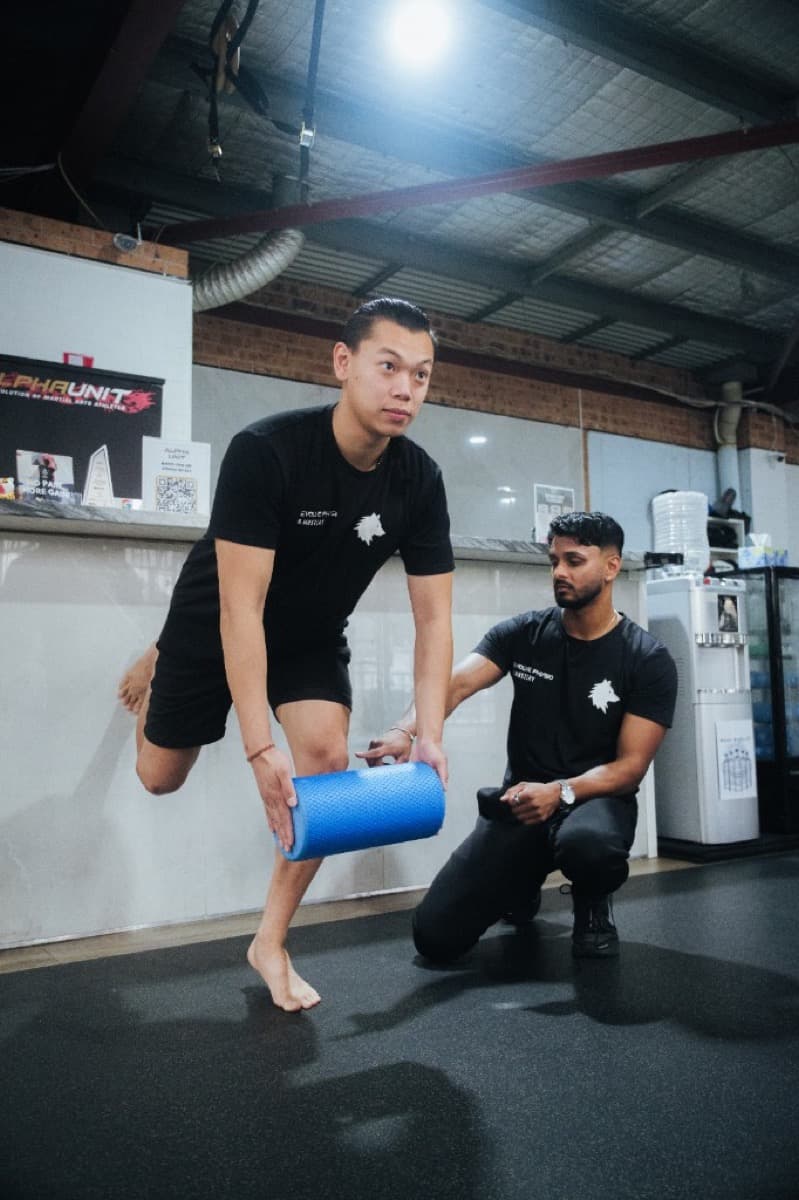
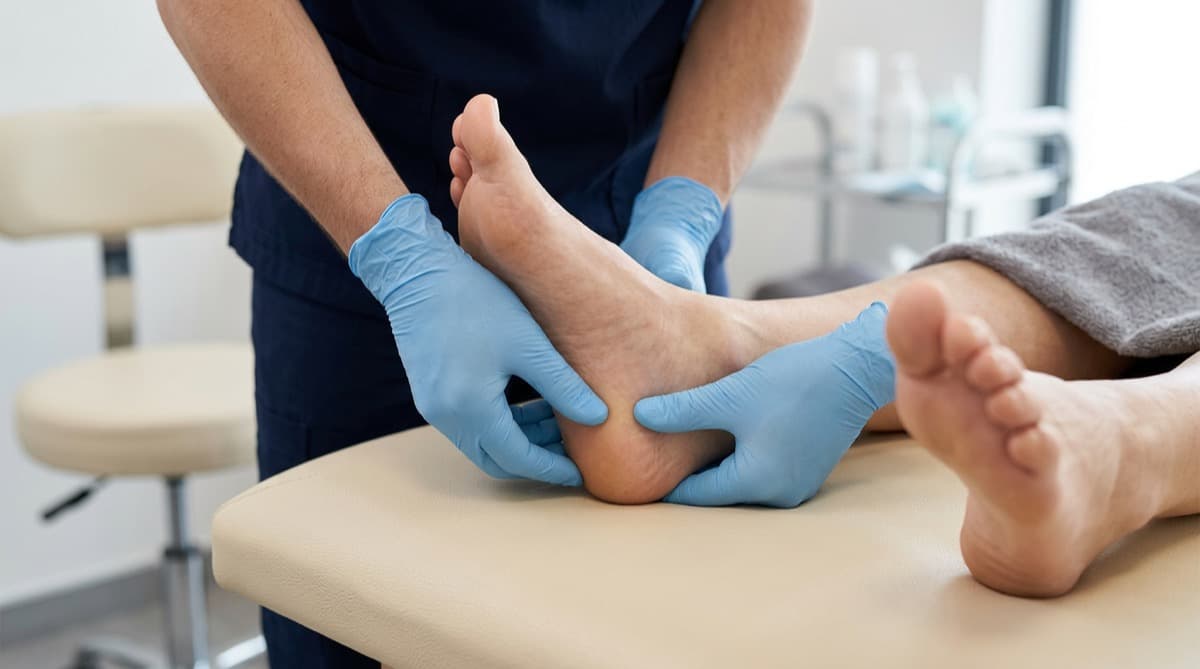
Lateral ankle sprains are the single most common musculoskeletal injury we treat at Evolve Physio in Cabramatta — netball, basketball, touch footy, trail running, or a missed step off a curb. Most heal well in weeks. The problem is most people stop rehab when walking feels OK — and roll it again within six months. This 6-week protocol is designed to prevent that loop.
Want a structured program, not just an article?
This guide gives you the framework. The ACL Comeback Program ($50) is our 28-day lower-limb strength block for the “almost better” phase — when you can walk and do daily life but need progressive loading before you trust running again. Pair it with the free Knee Pain Mastery Guide for day-to-day exercises.
Grade your sprain
- Grade I: Micro-tear, mild swelling, walking possible. 1–3 weeks to sport.
- Grade II: Partial ligament tear, moderate swelling and bruising, limping. 3–6 weeks.
- Grade III: Complete rupture, significant instability, may need immobilisation brief period. 6–12+ weeks.
Week 1: Protect and move early
- Compress and elevate first 48–72 hr; avoid anti-inflammatory overuse early if possible
- Weight-bear as tolerated — crutches only if needed for normal gait
- Alphabet exercises with foot, gentle range, pain-free isometric eversion/inversion
- Don't immobilise beyond 10 days except Grade III under orthopaedic advice
Online Rehab Academy
Book a free discovery call
Want this protocol mapped to your injury, scan and timeline? Our Online Rehab Academy pairs video-guided rehab with remote coaching from our clinical team — the same standards as in-clinic care, from home.
Weeks 2–3: Strength and proprioception
- Resisted band eversion (peroneals): 3 × 15 daily
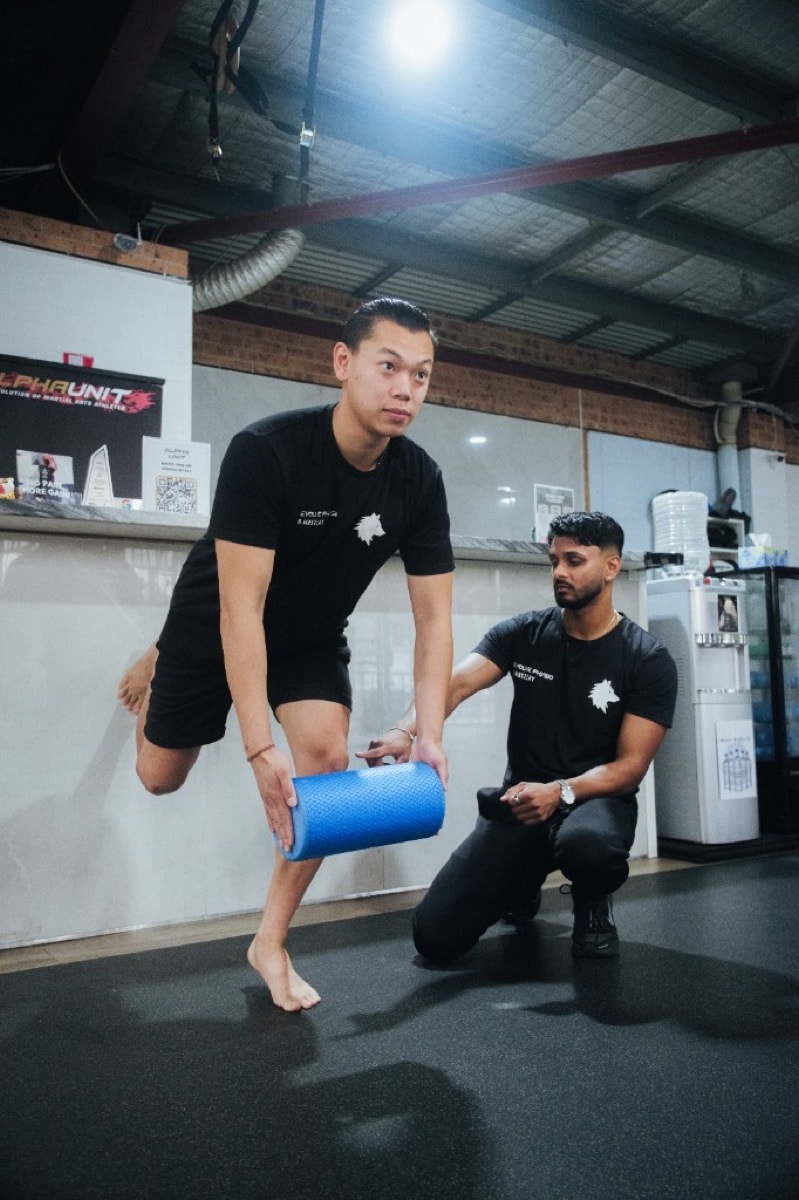
- Single-leg balance: eyes open → closed → foam pad
- Calf raises: double then single-leg, 3 × 12
- Walk-jog intervals on flat ground if Grade I–II and pain-free
Weeks 4–5: Hop and run progressions
- Single-leg hop for distance — track symmetry
- Figure-8 runs, lateral shuffles at 50–70% speed
- Continuous easy jogging if hops are symmetrical
Week 6: Return to sport
- Sport-specific cutting and jumping at full intensity
- Training session before match play
- Consider brace for first 2–4 competitive sessions if confidence is low
- If giving-way persists → chronic instability program
Connects to the ankle & running cluster
Recurrent sprains: chronic ankle instability guide. Return to running: 8-week return framework. Basketball ankle: basketball injuries guide. Rugby league: rugby league ankle guide. Watch: Chronic Ankle Instability video.
Buy The ACL Comeback Program or book a free discovery call
The ACL Comeback Program is our paid 28-day lower-limb strength and confidence block ($50). We use it for ACL and meniscus rehabs — and for athletes stuck in the “almost better” phase after knee sprain, giving-way, or a long layoff from running and court sport. It is built for the whole lower limb, not only post-op ACL.
Purchase The ACL Comeback Program →
Want a plan mapped to your scan, sport and timeline without coming in first? Book a free discovery call for our Online Rehab Academy →
Free progressive home loading: Knee Pain Mastery Guide. In Cabramatta / South West Sydney? Book an in-clinic physio assessment.
References: Doherty et al. 2017 ankle sprain treatment review (Br J Sports Med); van Rijn et al. 2008 supervised exercise vs standard care; Ottawa Ankle Rules (Stiell et al.).
Frequently Asked Questions
How long until I can run after an ankle sprain?
Grade I: often 1–2 weeks to light jogging. Grade II: 3–6 weeks. Grade III: 6–12+ weeks. Running before you pass single-leg balance and hop tests is how re-sprains happen.
Should I use RICE?
Protect and compress in the first 48–72 hours, but start gentle movement and loading within pain limits from day 2–3. Prolonged rest and immobilisation beyond 10 days worsens outcomes.
Do I need an X-ray?
Use Ottawa Ankle Rules: bony tenderness at posterior edge of lateral or medial malleolus, inability to bear weight for 4 steps immediately after injury, or severe mechanism — then X-ray. Otherwise clinical rehab is appropriate.
When can I return to netball or basketball?
When single-leg hop symmetry is within 10%, figure-8 runs are pain-free, and you've completed sport-specific cutting at 80%+ intensity without next-day swelling.
Why does my ankle keep rolling after a sprain?
Incomplete proprioceptive rehab. See our <a href="/blog/chronic-ankle-instability-recurring-sprains-physio">chronic ankle instability guide</a> for the 8-week prevention program.