Hamstring Strain Recovery: A 4-Phase Return-to-Sprint Framework
Video masterclass
How to Go from Injured to Performing at Your Best | Full 6-Step Guide
The exact 6-step framework we use with athletes to bridge the gap between rehab and peak performance — for any chronic injury or post-op pain. Watch the full session below — then open the video page for notes, timestamps, and related guides.
Mastery program
The ACL Comeback Program
A structured 28-day knee rehab program designed for people stuck in the "almost better" phase after ACL or meniscus injury. Rebuild strength, restore confidence, and bridge the gap between feeling okay and being fully back.
The sprint that went wrong
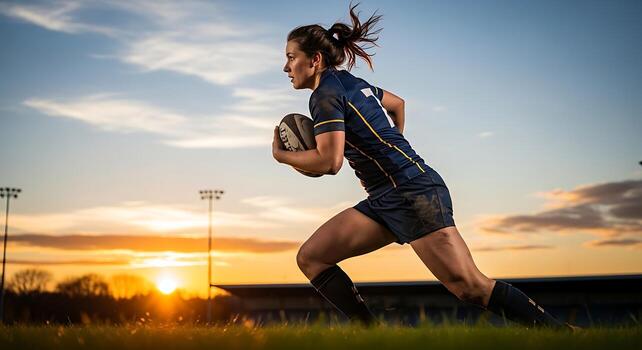
Hamstring strains happen in the acceleration phase — that first explosive push when the knee extends and the hip drives forward. Touch footy, AFL, rugby league, sprint training, or even overstretching in yoga. You feel a grab, sometimes a pop, and you're limping. Hamstrings have the highest re-injury rate of any muscle group in sport — almost always because return-to-sprint happened before eccentric strength and max-velocity running were rebuilt.
Grading (clinical)
- Grade I: Mild fibre disruption, walking possible, localised tenderness. Return to sprint 2–3 weeks with proper progression.
- Grade II: Partial tear, noticeable weakness, bruising at 24–72 hr. Return 4–8 weeks.
- Grade III: Complete or near-complete tear, significant disability. 8–16+ weeks, often imaged.
The 4-phase return-to-sprint framework
Phase 1 (Days 1–7): Protect and isometric
- Relative rest — avoid stretching and sprinting
- Pain-free isometric hamstring holds (prone, knee at 30° and 90°): 5 × 30 sec, daily
- Walk with normal gait as soon as tolerated
Phase 2 (Weeks 2–4): Eccentric strength
- Nordic hamstring curls (assisted → full): 3 × 6, 2–3×/week
- Romanian deadlift and hip hinge progressions
- Single-leg bridge and hamstring curl (machine or TRX)
- Jogging starts when walking is pain-free and isometrics are strong
Phase 3 (Weeks 4–6): Running progressions
- Build to 60–70% max-speed strides over 20–40 m
- Agility at submax — no full competitive cutting yet
- Monitor next-day hamstring response after each session
Phase 4 (Weeks 6+): Max velocity and sport
- 90–100% sprint efforts — short distances first (20 m), then open up
- Sport-specific drills: cutting, kicking, game simulation
- Clearance criteria: pain-free max sprint × 3 sessions, Nordic strength within 10% of uninjured side
Connects to the sprint & running cluster
Rugby league hamstring specifics: rugby league hamstring guide. Return to running (endurance): return to running framework. Calf complex: calf strain guide. Full performance bridge: Injured to Performing.
Book a hamstring assessment
Hamstring re-tears cost entire seasons. Get the progression right the first time. Book a physio assessment at Evolve Physio & Mastery, Cabramatta. Athletes from Liverpool, Fairfield, Bankstown and Southwest Sydney.
References: Heiderscheit et al. 2010 hamstring strain injury (Br J Sports Med); van der Horst et al. 2015 Nordic hamstring meta-analysis; Askling L-protocol for hamstring rehab.
Frequently Asked Questions
How long until I can sprint again?
Grade I: often 2–3 weeks. Grade II: 4–8 weeks. Grade III: 8–16+ weeks. Calendar guesses are unreliable — we use strength, pain-free sprinting, and hop/sprint tests to clear return.
Why do hamstrings re-tear so often?
Incomplete rehab — especially skipping eccentric strength (Nordics, RDLs) and maximal-speed sprint progressions. Re-tear risk is highest in the first 2 weeks back at full speed if those layers were missed.
Do Nordics actually prevent hamstring injuries?
Evidence supports Nordic hamstring curls reducing hamstring injury incidence in field sports when performed consistently in-season. They're also a key rehab tool for rebuilding eccentric capacity after strain.
Should I stretch a pulled hamstring?
Aggressive stretching in the first 7–10 days can disrupt healing fibres. Gentle pain-free range is fine. Loading — isometrics, then eccentrics — drives recovery more than stretching.
When do I need imaging?
Large bruising extending toward the knee, palpable defect, or failure to progress at 3–4 weeks — ultrasound or MRI helps grade and guide timelines. Most Grade I–II are clinical diagnoses.