Adductor Strain and Groin Pain in Field Sports: a Physio's Return-to-Run Basics
The classic story
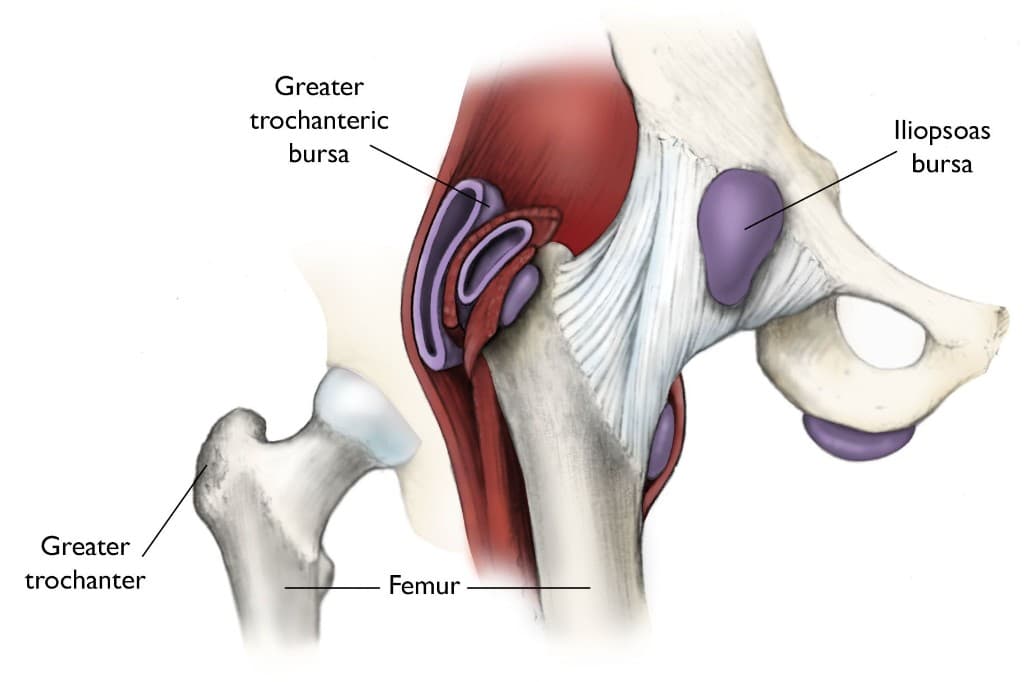
Push-off, a slide tackle, a heavy lateral cut — a sudden inner-thigh grab — or, over weeks, a build-up of groin pain after high training loads. Groin is a busy diagnostic zone (adductor, pubic symphysis, hip joint, sports hernia), and a clear assessment beats guessing on YouTube for another month.
What we do in the first 7–10 days
Clarify mechanism and irritability, rule out the hip joint red flags, then load the adductors isometrically and start pain-gated, heavy-isometric and short-range work when tolerable. We don’t use complete rest in most strains — that drops capacity exactly when you need to preserve it. Cross-training, swim or bike within symptom rules, and a walking tolerance plan keep fitness.
Build strength before you test speed
We progress adductor squeezes, standing Copenhagen-style progressions where appropriate, single-leg and lateral work, and hip abductor and core control — a tight side chain controls groin load. The numbers on pain (during and 24h after) keep us in the safe adapt zone.
Run last, and in steps
Straight-line before curves, part-time before full training, and change-of-direction before match play. The connective tissue in this region rewards patience. For runners, the cluster links to ITB, shin splints and return to running when you're coming back to mileage.
Book a groin and hip assessment
If you're not improving on two weeks of basic rest, get a plan. Book at Evolve Physio & Mastery, Cabramatta — we see footballers, runners, and field athletes from Liverpool, Fairfield, Bankstown and the wider West.
Frequently Asked Questions
How is this different from a hernia or hip joint pain?
History and examination steer us. Deep groin, night pain, or mechanical catching may need hip joint assessment; a bulge, cough strain or scrotal signs direct you to a GP and possibly a sports physician or surgeon. Adductor strains usually map to a clear overload story and local muscle tenderness.
When do I need a scan?
If there is a large tear suspected, a complete tear in an elite player, a chronic problem not progressing, or the diagnosis is unclear, MRI can define tissue injury and guide timelines.
When can I sprint again?
When you can perform pain-free, high-quality change-of-direction, hop and isometric adductor tests at a level that matches the sport — usually progressive over several weeks, not a single 'all clear' day.
Is stretching the answer?
Gentle mobility helps, but return-to-sport is driven by adductor and hip strength, trunk control, and a graded running program. That matches the staged return in our 'Return to running after injury' article on this blog, not a generic stretch week.
Can I play with tape?
Taping and compression can support confidence early; it doesn't replace a proper rehab and load plan if you have a true strain.