Female ACL Injury Prevention: Why Women Tear More — and How the FIFA 11+ Program Works
The numbers are stark
In soccer, basketball, netball and AFLW, female athletes are 3 to 8 times more likely to tear an anterior cruciate ligament than males playing the same sport at the same level. In adolescent girls aged 14–18, ACL injury rates have been climbing in Australia over the past decade as participation grows. Most of these tears happen in non-contact situations — a landing, a cut, a sudden change of direction — which is exactly why they're preventable. You can't always avoid being tackled, but you can train the way you land, cut and decelerate.
Why women tear more — the four factors
The risk gap isn't 'fragility.' It's a stack of modifiable and non-modifiable factors:
- Anatomical: A narrower femoral notch can mean less room for the ACL during pivoting. A wider pelvis (Q-angle) places more valgus moment at the knee.
- Hormonal: Oestrogen and relaxin affect ligament laxity across the menstrual cycle. The pre-ovulatory phase shows higher injury rates in some studies.
- Biomechanical: Under fatigue, female athletes tend to land with more knee valgus (knee caving in), more hip adduction, and a 'stiff' knee. This is a learned and trainable pattern, not destiny.
- Training history: Many girls reach high-level competition with less cumulative exposure to jumping, landing, cutting and gym-based strength work than boys of the same age. The neuromuscular system isn't grooved yet.
Anatomy and hormones we can't change. Biomechanics and training history we absolutely can — and that's where injury rates drop.
What is FIFA 11+?
The FIFA 11+ (also called '11+') is a structured, evidence-based 20-minute warm-up program developed by FIFA's medical research centre with Norwegian, American and Swiss research institutes. It has three parts:
- Part 1 (running): Slow running with active stretches, hip and torso movements. ~8 minutes.
- Part 2 (strength, plyometrics, balance): Six exercises (Nordic hamstrings, planks, single-leg balance, squats, jumping) progressing through three levels of difficulty as the team gets fitter. ~10 minutes.
- Part 3 (running): Sprints with planned changes of direction. ~2 minutes.
It replaces — not adds to — the team's normal warm-up. That's the key to compliance. Coaches who try to bolt it onto an existing warm-up usually drop it within weeks.
The evidence base
Soligard et al. (2008, BMJ) ran a cluster-randomised trial across 1,892 teenage female footballers in Norway. Teams running FIFA 11+ at least twice per week showed a 32% reduction in overall injuries and a 50% reduction in severe injuries. Silvers-Granelli et al. (2017) studied US collegiate male soccer (different cohort, same program) and saw a 46% reduction in injury rates. Meta-analyses of neuromuscular training programs more broadly suggest 30–60% reductions in ACL injury specifically when programs are well-implemented.
The catch: the programs only work when teams do them. Compliance below 1.5 sessions per week shows little effect. This is a coaching commitment, not a one-off workshop.
The six 'big rocks' of female ACL prevention
If your team can't run a full FIFA 11+ every session, drill these six things consistently:
- Drop-jump landing technique — knees track over toes, soft landing, hips back. Cue: 'land like a ninja, not like a sack of bricks.'
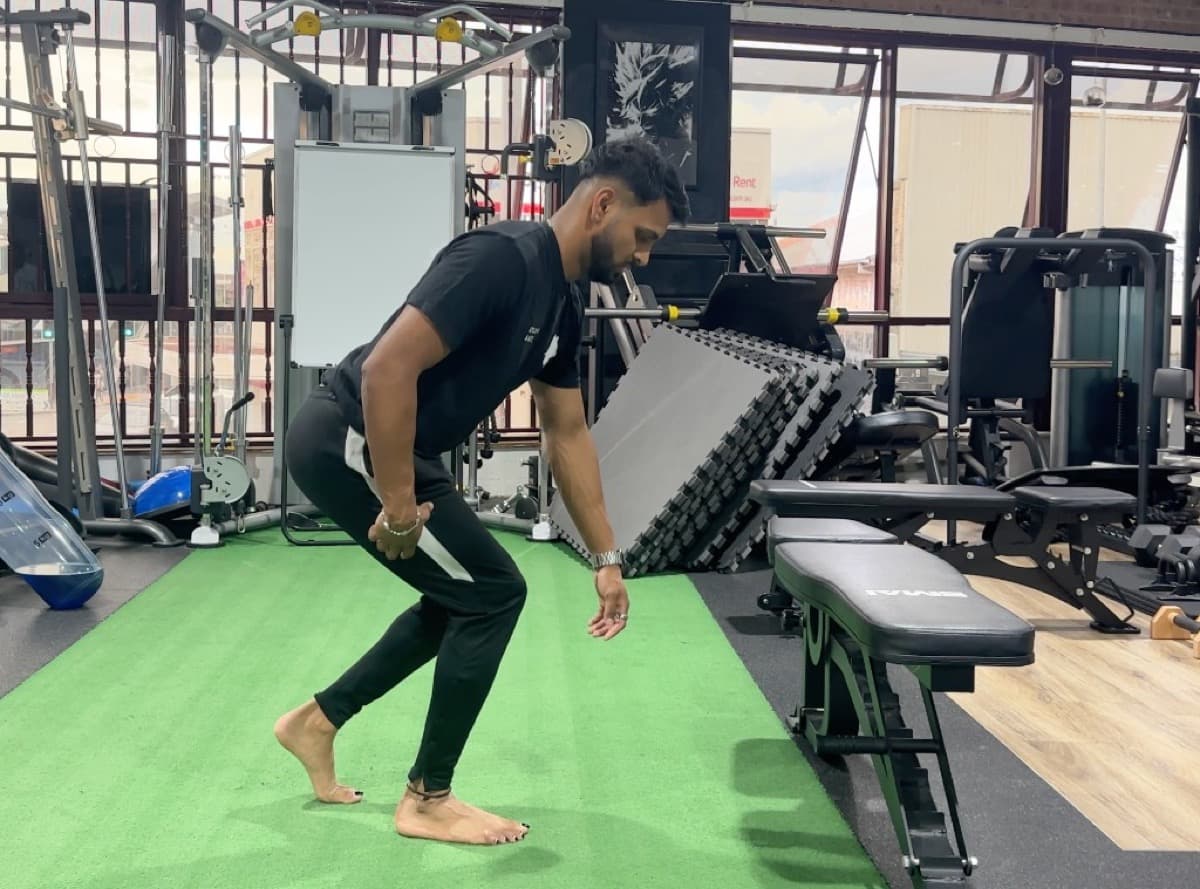
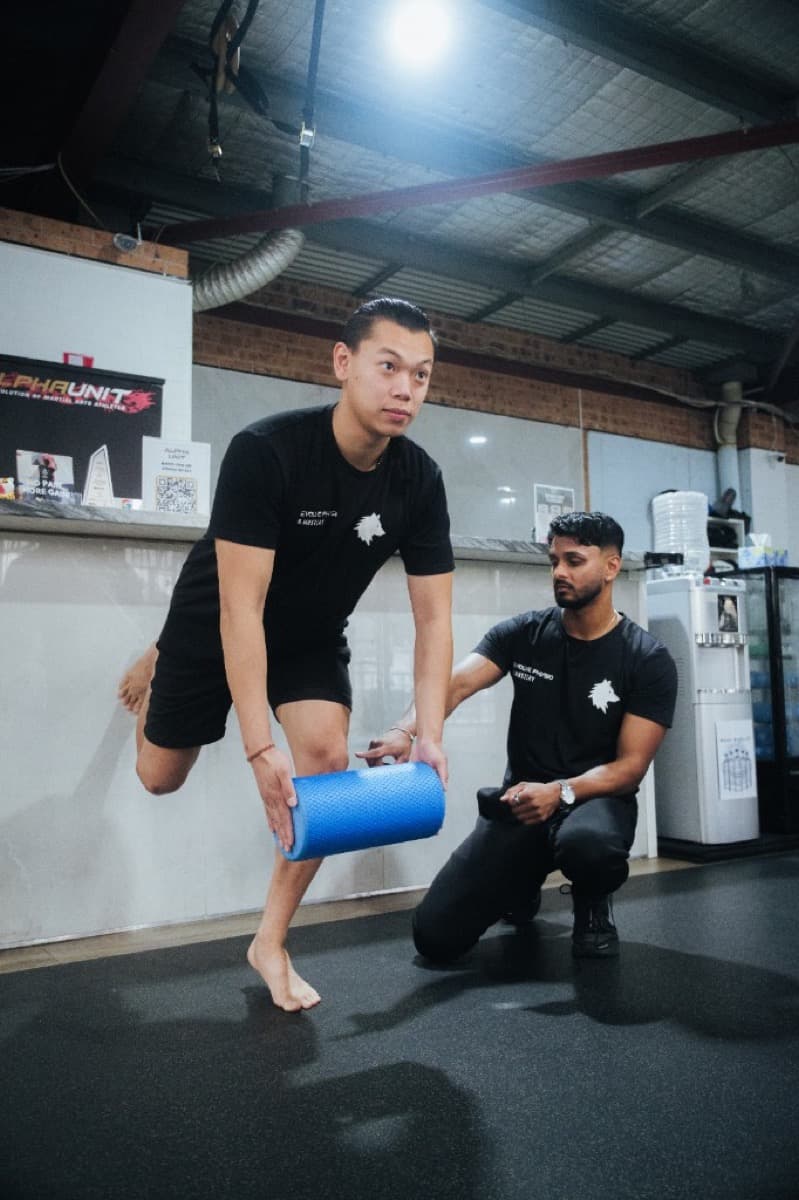
- Single-leg deceleration — sprint and stop on one leg in a balanced position; progress to cutting at 45° and 90°.
- Nordic hamstring curls — the single most evidence-backed hamstring injury prevention exercise; also protective at the knee.
- Side plank with hip abduction — gluteus medius drives knee alignment in landing and cutting.
- Bulgarian split squats / single-leg RDLs — unilateral strength is more sport-specific than bilateral squat numbers.
- Hopping in multiple planes — forward, lateral, rotational — under fatigue.
The strength layer on top
FIFA 11+ is a brilliant baseline. For girls playing at higher levels — rep teams, NPL, talented identification programs — supplementary gym-based strength work 1–2x per week adds meaningful protection. The big rocks: back squats, trap-bar deadlifts, Nordics, Copenhagen adductor planks, calf raises. Strength buys you tolerance to the forces sport puts through the knee. Strong athletes get injured less; injured strong athletes recover faster.
Menstrual cycle awareness — not a reason to bench
Some research shows higher ACL injury rates in the pre-ovulatory phase of the menstrual cycle when oestrogen is rising. This is a topic to be aware of, not anxious about. The practical implication for clubs and coaches:
- Normalise period tracking among athletes (apps make this easy).
- Don't push absolute peak loads on the day before a known high-laxity day if a player already feels off.
- The bigger drivers of ACL injury — fatigue, poor warm-up, deconditioning, fear-driven 'stiff' landing patterns — are still bigger levers than cycle phase.
Local sport in Cabramatta and Southwest Sydney
From Cabramatta Rovers junior girls through to NPL teams in Liverpool, Fairfield and Bankstown, the same patterns play out: pre-season is short, training is heavy on skill and light on jumping/strength, and the first big injury usually hits in round 3–6 when fatigue catches a deconditioned chassis. Building 20 minutes of FIFA 11+ into every training session — and a gym session per week through pre-season — would shift those numbers locally.
What if she's already torn it?
Prevention transitions into rehabilitation. The principles overlap — single-leg strength, landing mechanics, decelerative control — but the timeline and progression are different and the criteria for return to sport are non-negotiable. See our ACL return-to-sport testing post and our non-surgical ACL management piece. The ACL Comeback Program is the structured 9–12 month plan we use with our own clients.
For coaches, parents and team physios
- Commit to 2x/week FIFA 11+ from pre-season onwards.
- Add 1x/week supplementary gym strength for any girl playing more than 2 nights of competitive sport per week.
- Treat landing technique as a core skill, the way you treat first touch.
- Get a baseline single-leg hop and Y-balance screen each pre-season so risk is tracked, not assumed.
- Don't drop the program once injury rates fall — that's how they come back.
Book an ACL prevention screen
We run individual and small-group ACL prevention screens for adolescent and adult female athletes — landing assessment, single-leg strength, hop testing — and build a 12-week plan from there.
Already injured or post-op? Purchase The ACL Comeback Program → for the paid 28-day lower-limb rebuild, or request an online consult → for remote planning.
Book at Evolve Physio & Mastery, Cabramatta — Liverpool, Fairfield, Canley Heights, Bankstown and Southwest Sydney.
References: Soligard et al. 2008 'Comprehensive warm-up programme to prevent injuries in young female footballers' (BMJ); Silvers-Granelli et al. 2017 'Efficacy of the FIFA 11+ injury prevention program in the collegiate male soccer player' (Am J Sports Med); Sugimoto et al. 2015 meta-analysis of neuromuscular training and ACL injury in female athletes.
Frequently Asked Questions
Why are women more likely to tear their ACL?
Multiple factors stack: anatomy (narrower femoral notch, wider pelvis altering knee alignment), hormones (cyclical changes in ligament laxity), biomechanics (more knee valgus and stiff-knee landings under fatigue), and training history (lower exposure to plyometrics, jumping and strength work in adolescence). It's not 'female bodies are weaker' — it's a modifiable pattern.
Does the FIFA 11+ actually work?
Yes. Large randomised trials (Soligard et al. 2008; Silvers-Granelli et al. 2017) and meta-analyses show 30–50% reductions in overall injuries and meaningful drops in ACL injuries when teams perform the program at least twice weekly with good compliance. It works best when started in pre-season and continued through the year.
What age should we start?
From around 12 years onwards, when growth and increased training load coincide with the highest jump in ACL injury risk for girls in soccer, netball, basketball and AFLW. Earlier is fine — the movement patterns just become more refined over years.
Can it replace strength training?
Not entirely. FIFA 11+ is a 20-minute warm-up program; it includes strength elements but supplementary gym-based strength work (back squats, deadlifts, Nordics) on top adds significant protection. Think of FIFA 11+ as the daily floor, not the ceiling.
How often does the team need to do it?
Minimum twice per week. Studies showing protective benefit had teams doing the program 2–3x/week consistently across the season. Once a fortnight isn't enough — neuromuscular adaptations need volume and frequency.
What if my daughter has already torn her ACL?
See our dedicated ACL rehabilitation content. Prevention principles overlap heavily with rehab — but a return-to-sport program after ACL reconstruction or non-surgical management is a separate, longer process. Our ACL Comeback Program covers it.